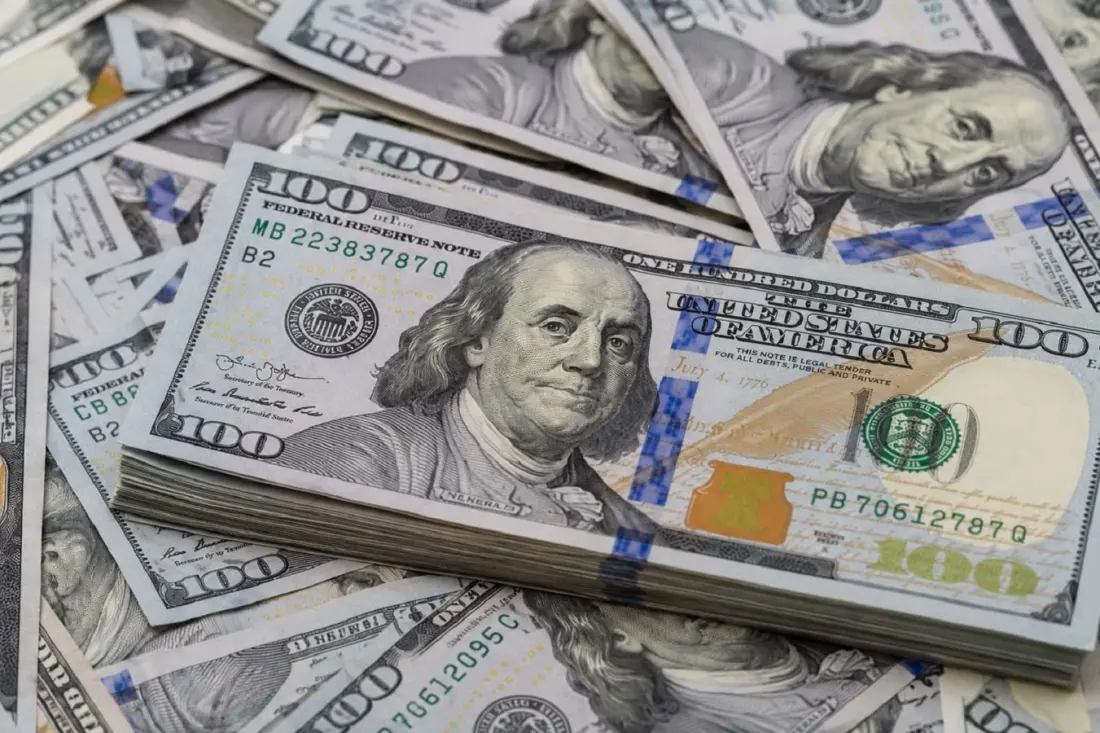
The US dollar climbed sharply in Colombia on Friday, November 20, crossing the 3,400-peso mark for the first time since July. The Representative Market Exchange Rate (TRM) opened at 3,415.10 pesos, a jump of 88.14 pesos — about 2.65% — from the previous session's 3,326.96. It's one of the biggest single-day moves in months, and it caps a strong November for the dollar: since November 5, when it traded at 3,221.19 pesos, the greenback has gained nearly 194 pesos, up from roughly 3,156 a month earlier.
The main driver is US monetary policy. Minutes from the Federal Reserve's October 27-28 meeting suggested several policymakers want further rate hikes if inflation stays sticky, and Fed Governor Christopher Waller floated a possible 50-basis-point increase in December or faster hikes through 2027. Higher US rates make dollar assets more attractive, pulling capital out of emerging markets and weakening currencies like the peso. Colombia's own fiscal wrangling adds to the pressure — investors are watching the de la Espriella administration's proposed tax reform, meant to close budget gaps, and a shaky approval outlook is keeping nerves on edge. The trend isn't uniquely Colombian either: the Brazilian real and other regional currencies are under similar strain.
Context matters, though. Despite the rebound, the dollar is still about 9% down for 2026 — it started January near 3,757 pesos — so analysts see this as a pause in the peso's strong year rather than a confirmed reversal.
For travellers, the swing cuts both ways. Anyone paid in pesos planning a trip abroad now faces pricier flights, hotels and dollar-billed services like streaming subscriptions or online bookings. Import-dependent goods may also creep up in price. On the flip side, exporters and Colombian families receiving remittances from the US get more pesos per dollar — though bank fees and rates will shape the real gain.
For visitors heading to Colombia with dollars, euros or pounds, the news is straightforwardly good: your money goes further than it did in July, and further than it did even two weeks ago. At current rates, a mid-range daily budget stretches comfortably further than it would have at January's levels. The catch is volatility — rates could swing back if US inflation data softens or Colombia's fiscal picture clears up. If you're planning a Colombia trip in the coming weeks, it's worth checking the daily TRM before exchanging money and avoiding airport kiosks, which typically offer worse rates than local exchange houses or card payments at the interbank rate. Analysts expect the next few weeks to hinge on Fed signals and US inflation prints, so the rate you get on arrival may not be the rate you read about today.
Colombia One