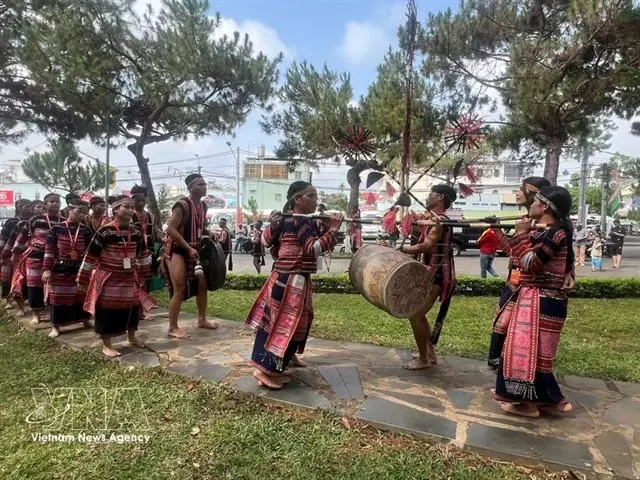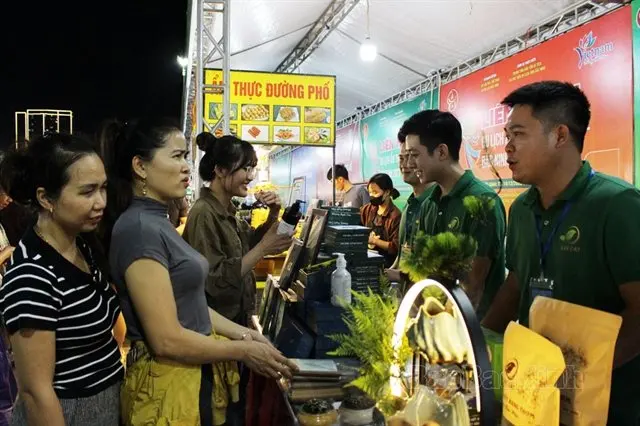
Việt Nam wants to do more than protect its heritage — it wants to make money and friends with it. At a recent gathering of cultural policy experts in Hà Nội, officials and academics described a deliberate shift in national strategy: moving from preservation at all costs to actively converting cultural assets into soft power, tourism appeal and export-worthy creative products.
The reasoning is straightforward. In an increasingly competitive global market, culture is being treated as a genuine economic resource, not just a museum piece. Associate Professor Nguyễn Thị Thu Phương, who leads the Việt Nam Institute of Culture, Arts, Sports and Tourism, argues that heritage alone guarantees nothing — the value only materialises when it travels through cultural diplomacy, creative industries and digital media. That thinking now sits behind Politburo Resolution 80, which frames culture as an engine for breakthrough development.
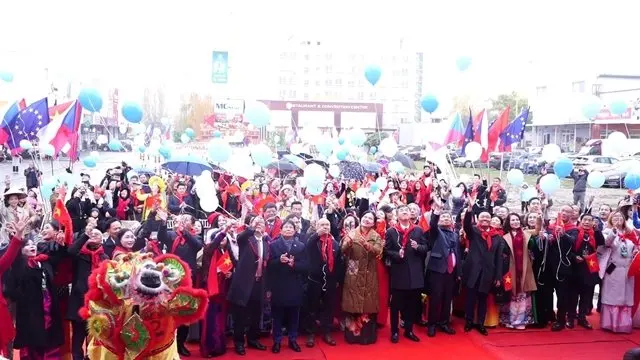
Diplomacy is where the strategy is most visible. Cultural diplomacy has become one of the three pillars of modern Vietnamese foreign policy, and in 2025 the Ministry of Culture, Sports and Tourism staged seven high-level art programmes during leader Tô Lâm's visits to partners including Indonesia, Singapore, the US and Russia. Hanoi also scored a multilateral win in September, when the UN General Assembly adopted a resolution — a Vietnamese initiative — establishing an International Decade for Culture for Sustainable Development running from 2027 to 2036.
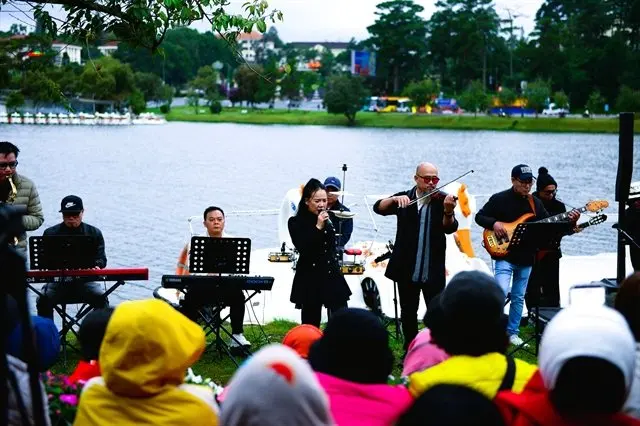
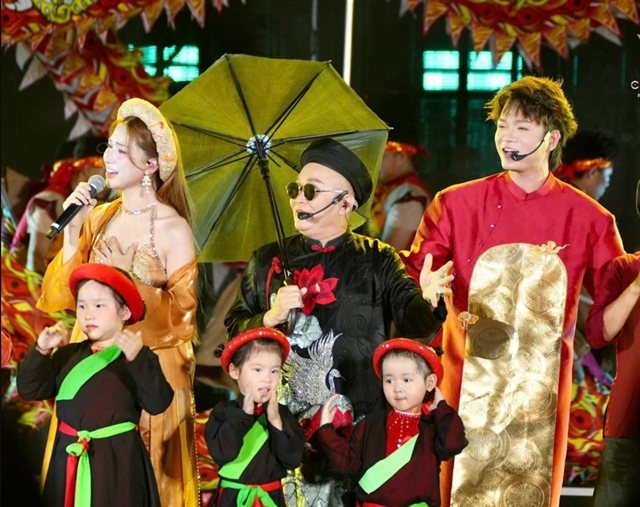
The door swings both ways, too. Events like the World Cultural Festival in Hà Nội and the Huế Festival invite the world in, positioning Vietnam as a stage for global cultures rather than only an exporter of its own. Meanwhile, contemporary Vietnamese performance — À Ố Show, Làng Tôi (My Village), Teh Dar and a ballet based on the classic poem Kiều — is working its way toward international touring standards, giving travellers something genuinely local to see that also functions as cultural export.
The experts are realistic about timelines. Professor Từ Thị Loan points to South Korea, which spent close to three decades turning K-pop and cinema into global phenomena under a government strategy that treated culture as a key economic sector. Vietnam is drafting a Law on the Development of the Cultural Industry, now before the National Assembly, to give the sector a proper legal framework.
For travellers, the payoff is already tangible: bigger and better festivals, more polished homegrown performances, and a country increasingly confident about showing its identity rather than just its street food and beaches. Whether the strategy matures into a Korean-style cultural wave remains to be seen, but Vietnam is clearly done being quiet about its culture.