High in the mountains of Lào Cai province, northern Vietnam, thousands of ancient tea trees — some several hundred years old — are getting their own festival. The Suối Giàng Shan Tuyết Tea Festival runs from October 16 to 18, 2026, in Văn Chấn Commune, and it's the best excuse yet to visit one of the country's most atmospheric tea-growing corners.
Suối Giàng sits at 1,300-1,400 metres above sea level, where a mild mountain climate suits the Shan Tuyết tea trees that have shaped life here for generations. The area is home mainly to the Mông people, and tea runs through everything — livelihoods, cooking, spiritual life. The 'snow tea' leaves even turn up in local dishes, which visitors can try at the festival's highland food market.
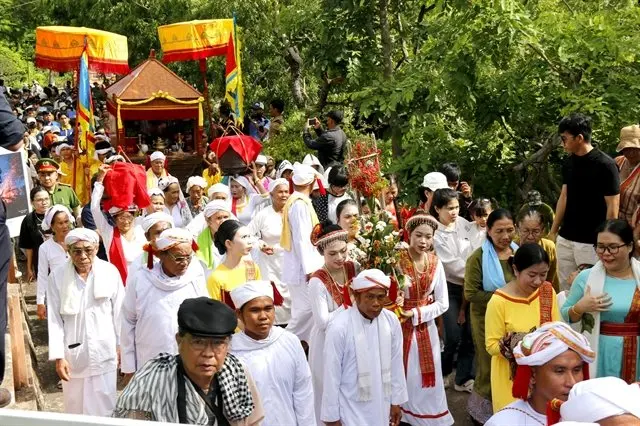
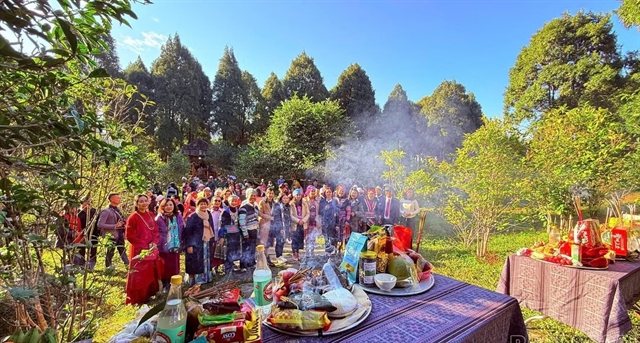
The programme is packed for three days. A specialties fair showcases Shan Tuyết products, while traditional performances and folk games fill the schedule. The emotional centrepiece is a ceremony honouring the ancestral tea tree on the morning of October 17 in Pang Cáng Village — a nod to how deeply rooted this crop is in local identity. The official opening follows the same day at 8am in Suối Giàng Village.
Later that evening there's a livestream of traditional tea roasting (a modern marketing twist for an ancient craft), a Shan Tuyết tea banquet, and a show of traditional ethnic costumes. On October 18, travellers can join or watch tea-picking contests across Suối Giàng, Pang Cáng and Văn Chấn villages — a hands-on way to appreciate the skill that goes into every harvest.
Why go? This is tea tourism at its most authentic. You're not visiting a tasting room; you're walking among living trees older than most nations, learning roasting techniques passed down through Mông families, and eating food made from tea leaves. The festival also doubles as a market connection for local producers, so buying directly here genuinely supports the community. For anyone who found Sapa overrun, Lào Cai's quieter highlands offer similar mountain scenery with far fewer crowds — and October brings pleasant, dry weather to northern Vietnam's mountains.
Base yourself in the villages for the full experience, arrive early for the ancestral tree ceremony, and leave room in your bag for tea you won't find anywhere else.