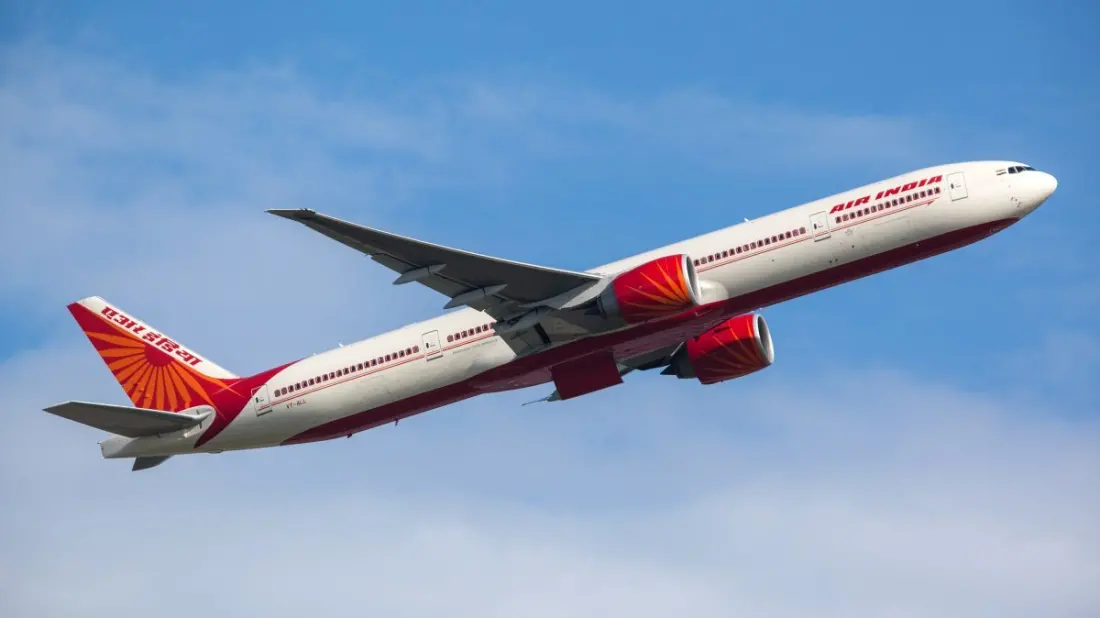
An Air India flight heading from Frankfurt to New Delhi ended up in Jaipur on Wednesday after the pilots triggered an international hijack alert, reportedly in response to a bomb threat. The plane landed safely and everyone got off without incident, but the episode has put a spotlight on how India handles mid-air emergencies.
The trigger was a so-called "squawk 7500" signal — the universal transponder code pilots use to signal a hijacking. Indian media, including India Today, reported that the crew activated it amid an alleged bomb threat. Ahmedabad Air Traffic Control picked up the alert and swung standard emergency procedures into motion, rerouting the aircraft to Jaipur International Airport.
Once the aircraft was on the ground in Jaipur, passengers were deplaned without trouble and security teams carried out a full inspection of the plane. No explosives were found, and officials reported no injuries or further threats. India's Directorate General of Civil Aviation has opened an investigation into exactly why the crew sent the hijack code — a detail that matters, since activating 7500 is meant for genuine unlawful interference and sets off a heavy-duty response chain involving security services, air force readiness and airport lockdown procedures.
For travellers, the practical takeaway is less about alarm and more about process. Alerts like this are rare, and the system — from air traffic control to the diversion airport — did what it is designed to do: get the plane down quickly and safely. But the knock-on effects are real for those on board. A diversion to a city that isn't your destination usually means missed connections, a long wait while the aircraft is swept, and a scramble to get onward transport from somewhere like Jaipur instead of Delhi.
It is also a reminder of what to do if your flight is diverted: stay seated and follow crew instructions until security clears the aircraft, keep essential items and documents in your cabin bag rather than in a bag you might be separated from, and expect your phone to become your best friend for rebooking while the airline sorts out logistics. Airlines are generally obliged to get passengers to their destination in these situations, but timings can slip by hours or more.
Air India has not issued detailed public comment beyond the known facts, and the DGCA's findings will determine whether the threat was credible, a miscommunication or something else entirely. Until that report lands, the incident stands as a mostly happy example of aviation security doing its job — a scare in the air, a safe landing, and an empty-threat inspection on the tarmac. Story reported by Daily Sabah Travel.