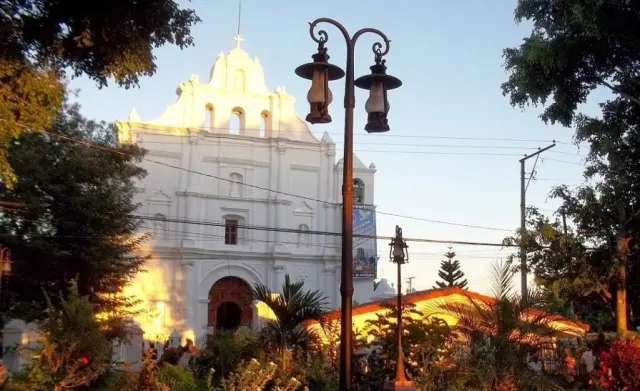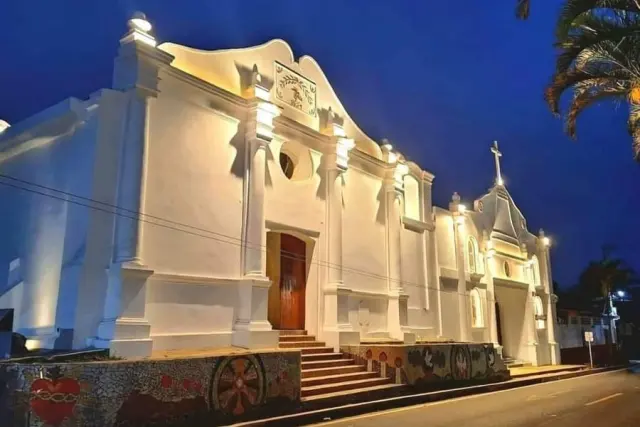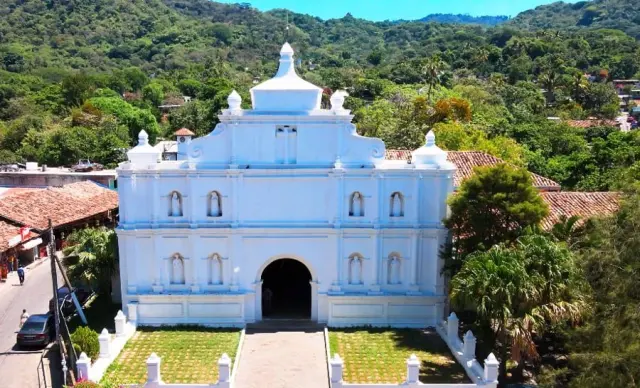
A decade ago, El Salvador had one of the highest homicide rates on the planet — 106.3 murders per 100,000 people in 2015. By 2025, the government was reporting a rate of 1.36. That extraordinary swing is the story behind the country most visitors now experience: surf towns, coffee highlands and a revamped capital where few travellers dared to go ten years ago.
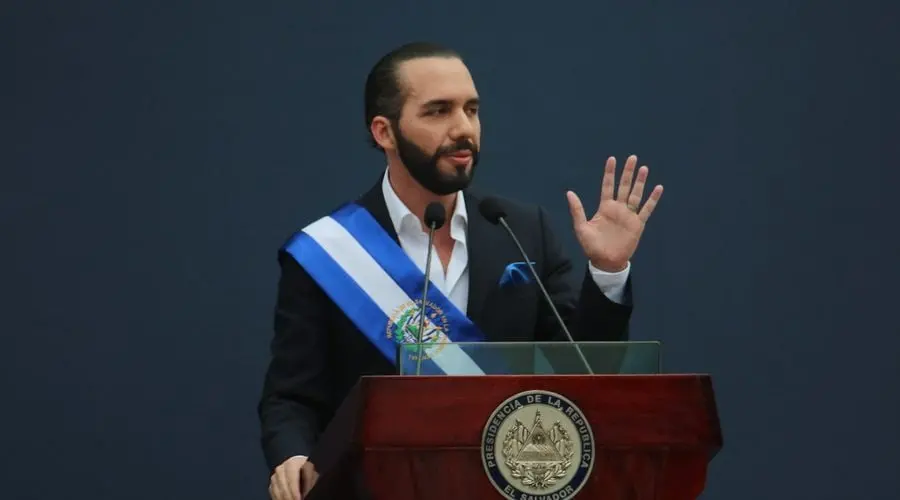
The transformation is inseparable from President Nayib Bukele, in office since June 1, 2019. A former advertising man turned mayor — first of Nuevo Cuscatlán from 2012, then of San Salvador from 2015 — he broke the three-decade duopoly of the ARENA and FMLN parties by winning the presidency in February 2019, initially running under the GANA alliance after his own Nuevas Ideas movement took shape. He was reelected in February 2024, and constitutional reforms approved in July 2025 now allow unlimited reelection and stretch future terms to six years.
Security is the heart of it. The Territorial Control Plan launched in 2019 flooded gang territory with police and soldiers, and a state of exception declared in March 2022 after a spike in killings enabled mass arrests of suspected MS-13 and Barrio 18 members. The purpose-built Terrorism Confinement Center (CECOT) became the global symbol of the crackdown. Human rights groups have documented arbitrary detentions and due process concerns, and researchers question some official statistics — but the decline in violence is widely accepted, and Salvadorans regularly describe being able to use beaches, buses and neighbourhoods that gangs once controlled.
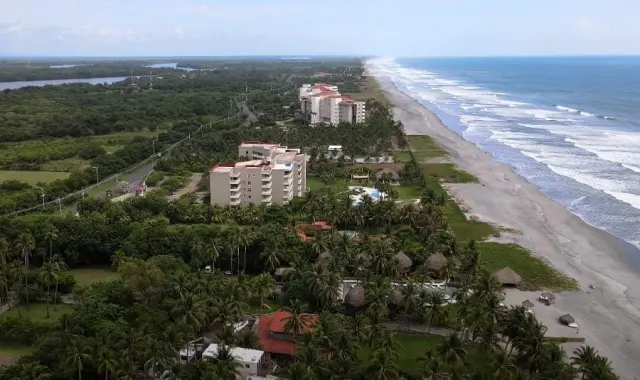
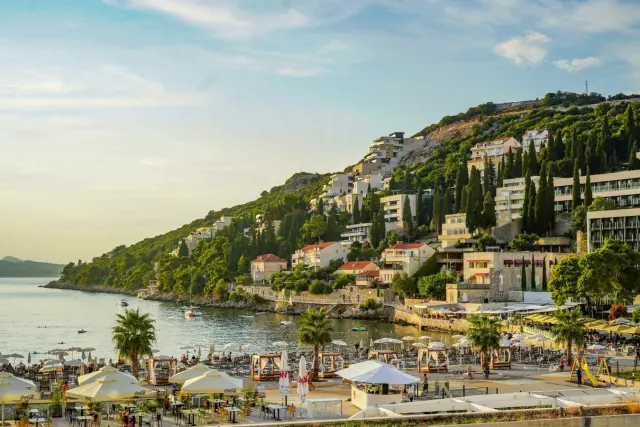
For travellers, the most visible payoff is Surf City, the government's flagship push to develop the Pacific coastline: new roads, upgraded public spaces and a wave of hotels, restaurants and surf camps along breaks like El Tunco and beyond. Bukele's government has poured money into infrastructure and marketing, and improved safety has opened up places previously off the itinerary. The Bitcoin experiment — El Salvador became the first country to adopt it as legal tender in September 2021 — generated headlines but little everyday use, and 2025 reforms tied to an IMF deal made acceptance voluntary. The US dollar remains the currency you'll actually spend.
The picture isn't uncomplicated. Critics point to the concentration of power in the presidency and the state of exception still in force, and questions remain about whether tourism revenue reaches smaller communities. But for anyone who wrote El Salvador off years ago, the country on the ground today is measurably safer, easier to move around and actively courting visitors — which is exactly why it keeps appearing on shortlists for Central America trips.