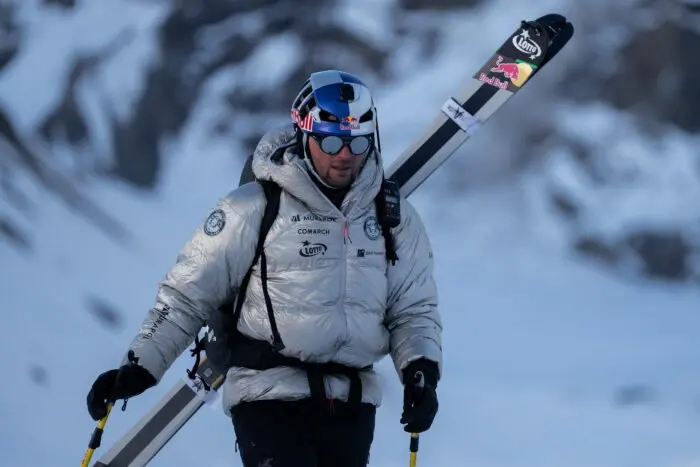
Polish ski mountaineer Andrzej Bargiel has abandoned his attempt to climb and ski down Dhaulagiri, Nepal's seventh-highest peak, after days of heavy snowfall and near hurricane-force winds made the upper mountain too dangerous. His team, supported by Seven Summit Treks, has closed the expedition for the season.
Bargiel, who famously skied from the summit of K2 in 2018, had pushed further than anyone else on the mountain this autumn. While commercial teams turned back at Base Camp — partly because rope-fixing work had stalled — his group reached Camp 2, with a plan to move to Camp 3 and go for the top. It never happened. Retreating through fresh powder, he at least salvaged a good ski run from Camp 2 before descending to Base Camp, and confirmed everyone on the team is safe and heading home.
The story behind the shutdown is a bit messier. Seven Summit Treks issued an unusual public statement defending its rope-fixing crew after climbers suggested the team had lost motivation once its biggest clients pulled out. Expedition director Chhang Dawa Sherpa insisted the turnaround was a guide's safety call on unstable upper slopes. Whatever the politics, the numbers tell the story: the highest anyone got on Dhaulagiri this season was around 7,100 metres, just above Camp 3 — well short of the summit ridge and the exposed couloirs below it.
Dhaulagiri is now the second 8,000-metre peak in Nepal to finish the season summit-less, following a wave of aborted Manaslu expeditions caused by too much snow on the route. Two Russians targeting Makalu have also gone home, and with no permits issued yet for Kangchenjunga or Lhotse, the only remaining shot at a major Nepalese summit this season sits with a Russian team on Everest.
For travellers, this is a useful reality check on Himalayan mountaineering. Even elite alpinists with top-tier logistics walk away when the mountain says no — a reminder that autumn conditions in Nepal can be fickle, and that 'untouched' seasons happen more often than glossy expedition marketing suggests. If you're eyeing a trekking peak or an 8,000er yourself, build in weather buffer days, pick operators who publish honest turnaround policies, and treat a season without summits as the norm rather than the exception. For trekkers rather than climbers, the Dhaulagiri Circuit remains a spectacular, demanding alternative to busier routes like Annapurna — just time it carefully.