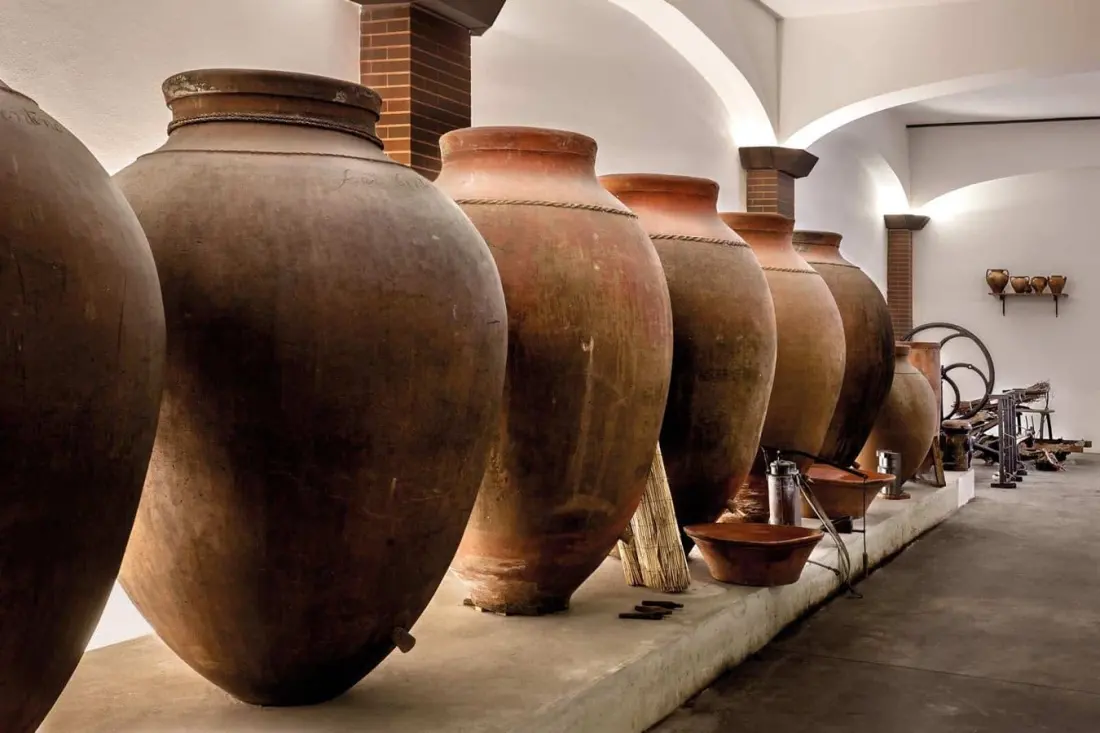
In the small Alentejo town of Vidigueira, wine is still made the way the Romans did it: grapes go straight into massive clay amphorae, ferment with wild yeasts, and are ladled out months later straight from the talha. Now the region wants the world to take notice. The municipality has relaunched its bid to have vinho de talha inscribed on UNESCO's Intangible Cultural Heritage list, with a revised dossier due by the end of 2027.
The effort isn't starting from zero. A first application kicked off in 2016, initially covering four municipalities before widening to the whole Alentejo. According to mayor Ricardo Bonito, that earlier submission had "inconsistencies" and needs refining rather than a full rebuild. The next step is documenting the entire process in detail, from harvest to the moment the grapes land in the clay vessels. UNESCO applications specialist Paulo Lima is advising, and Diogo Conqueiro, president of the Vila de Frades Parish Council, has been named municipal commissioner for Talha Wine, Heritage and Territorial Identity to work directly with producers. A late-September meeting with wineries and sector associations marked the official relaunch.
The stakes go beyond a certificate on a wall. Bonito wants the process to produce a conservation plan protecting a tradition that stretches back more than 2,000 years. And the tradition is very much alive: in villages like Vila de Frades, talhas line the walls of family cellars and local cafés, and November's Saint Martin celebrations revolve around opening the amphorae and tasting the new wine.
There's already momentum. In December 2023, Talha Wine Production was added to Portugal's National Inventory of Intangible Cultural Heritage, recognising its role in local identity and its deep historical roots. The method itself has barely changed since Roman times — grapes are crushed and placed whole into the clay pots, where they ferment naturally, with no temperature control or modern interference.
For travellers, this is a good moment to see the tradition before (or if) the UNESCO spotlight arrives. Vidigueira and nearby Vila de Frades sit in southern Alentejo, an under-visited wine region of rolling plains, whitewashed villages and some of Portugal's most affordable wine tourism. Several producers offer cellar visits where you can see talhas the size of bathtubs — some decades old, their interiors coated with wax — and taste the fresh, slightly tannic wine drawn straight from the top of the vessel. It's a completely different experience from a polished Douro or Alentejo estate tour: rougher, warmer, deeply local.
Whether or not UNESCO comes through in 2027, the talha tradition isn't going anywhere. It has survived two millennia in this corner of Portugal, passed down through generations, and a glass drawn straight from the clay is one of the country's most distinctive wine experiences. If it matters to you, go now — the amphorae are waiting.