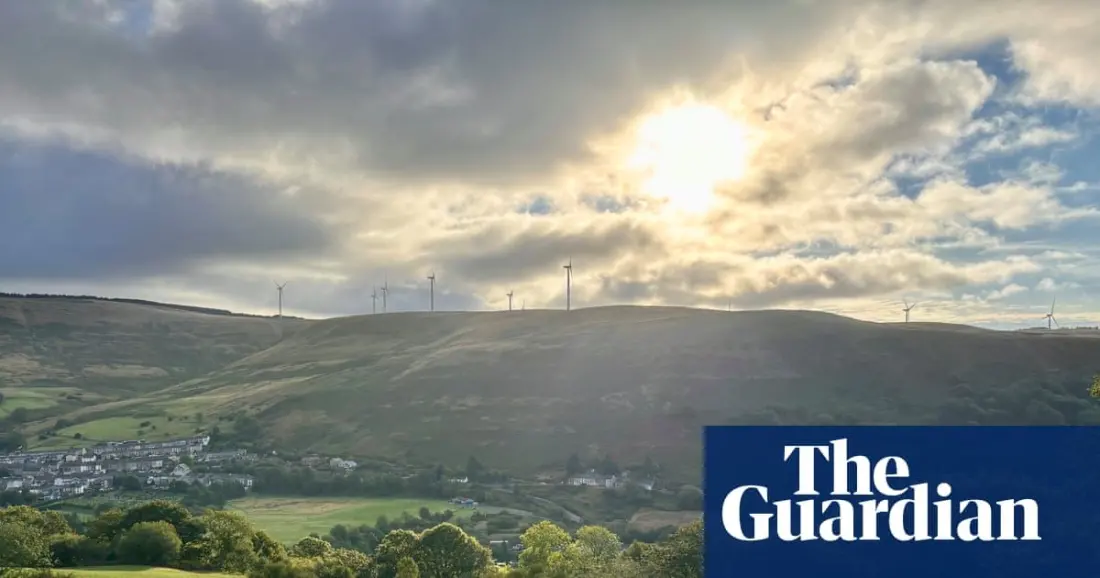
A quiet revolution is happening in the south Wales valleys, where coal seams once ruled. The Llwybr Coedwig Cymru Trail — Wales Forest Trail — has launched a 50-mile (80km) pilot section from Porthkerry Park near Barry to Pont Walby near Glynneath. It's the first stretch of an ambitious National Forest for Wales plan to eventually link woodlands across the whole country, a woodland sibling to the Wales Coast Path.
The route threads together surprisingly varied terrain: Barry's Victorian viaduct (which once hauled coal to the docks), the pines of Hensol Forest, roadside paths through former mining villages like Thomastown, and community woodlands such as Coed Bach Dimbath in Blackmill, where locals have built an otter hide, outdoor classroom and accessible paths after decades of the woodland being off-limits. From there the trail climbs into genuinely wild country.
The high point — literally — comes on Tarren y Fforch, an open plateau with views stretching to the Gower peninsula and the Bannau Brycheiniog peaks. Poignantly, parts of the route follow the paths miners once walked across the hills to reach pits in neighbouring valleys. The final stretch drops through Afan Forest Park and the lush Cwm Gwrelych valley, a geological site of special scientific interest where 300-million-year-old rock strata sit beneath waterfall-fed, almost rainforest-like woodland, ending at a Brunel-designed viaduct at Pont Walby.
Walking infrastructure is refreshingly practical. Vale Resort near Hensol Forest has a spa and doubles from £104 room-only; a Georgian farmstead holiday cottage near Nant-y-Moel runs from £87 a night; and Sgwd Gwladys pub in Pontneddfechan — named after the waterfall nearby — has doubles from £65.55. Food highlights along the way include Welsh rarebit with ale mustard at Vale Resort and laverbread with cockle sauce at the Blaenogwr Hotel.
Why should walkers care? The valleys have long been overshadowed by Wales's national parks and coast. Mountain bikers found Afan years ago, but hikers have mostly skipped the area. This trail deliberately connects post-industrial communities to the wild hills above them — something Natural Resources Wales project lead Rhodri Hewitt describes as helping people access woodlands that were closed off for decades. It's also designed to be shared: stretches cater for cyclists, horse riders and pushchairs.
Expect a mix of genuinely spectacular upland walking and some ordinary pavement stretches through villages — this is a pilot, not a polished national trail yet. But that's part of the appeal: you're walking a route in its infancy, through landscape where the contrast between gritty terraced streets and windswept moorland tells the whole story of this corner of Wales. As the Welsh proverb quoted along the way puts it: dod yn ôl at fy nghoed — to return to my trees, finding your way back to a balanced mind. Trail details at gov.wales/llwybr-coedwig-cymru-trail.