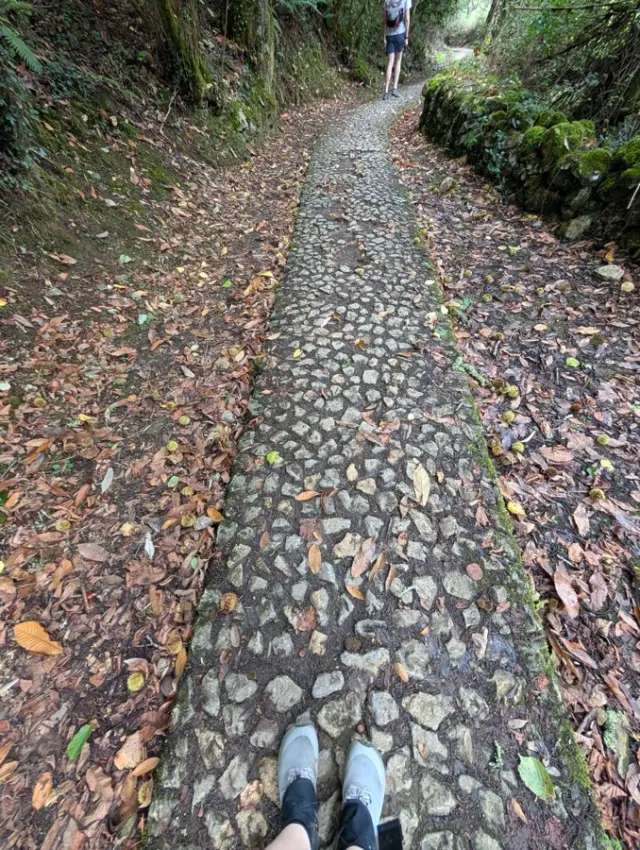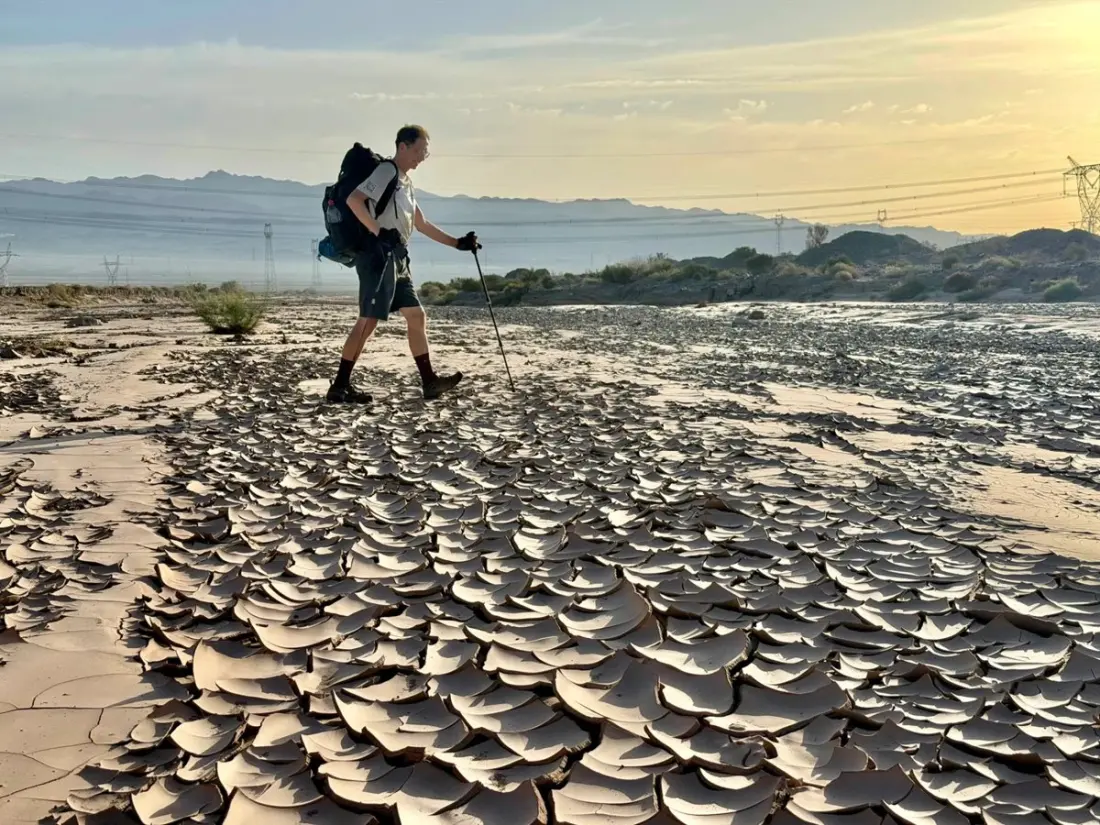
Most people fly the 25,000km between Cabo de São Vicente in Portugal and Singapore. German long-distance walker Rainer Mautz is covering every meter of it on foot, and he has now passed the 18,000km mark, trekking through China's Yunnan province after more than a year and a half on the road.
Mautz, in his mid-50s, set off on February 26, 2025, with strict self-imposed rules: no shortcuts by vehicle, no flying home for breaks, no bike runs to resupply, and all his gear carried in a pack rather than hauled on a cart. His chosen line is the longest possible walk across Eurasia.
The route's standout stretch so far was Turkmenistan, one of the world's least-visited countries, where foreigners must be accompanied by government guides at all times. Authorities allowed Mautz a rare 600km, 18-day walk through the country, following the Amu Darya River toward Uzbekistan — reportedly the longest tourist journey ever recorded there. Locals, unaccustomed to visitors, treated him almost like a celebrity, pressing iced tea and cash gifts on him. Not every encounter was warm: in the village of Karaaygyr, wary hosts made his party leave in the middle of the night, and he described walking out past a line of unfriendly faces.
Plans have shifted along the way. He had intended to cross Mongolia, but a foot-and-mouth outbreak shut down the route almost immediately — he and his wife Guang, who walked in with him, managed just 6km before a police checkpoint turned them back. Instead, they re-entered China and pushed southeast across the Gobi to the Yellow River, through northern Sichuan's highlands in August, and into Yunnan by September. He reached the provincial capital, Kunming, on September 23, having walked nearly 40km a day for 53 straight days without a rest day since July 31.
He is now a little over 70% of the way to Singapore, with a flexible plan to pass through parts of Vietnam and Laos before reaching the finish line.
For travellers, the appeal here is the ground-level view of places almost nobody sees on foot — a record-setting Turkmenistan crossing, the Gobi, rural Sichuan and Yunnan, all at walking pace. Even if you never attempt a fraction of the route, Mautz's journal is a rare account of hospitality and logistics in some of Asia's least touristed corners.