Western Sydney International (Nancy-Bird Walton) Airport has officially started carrying passengers, and dnata was there from the very first departure. The air services group catered the airport's inaugural domestic flight on 25 October 2026 and handled its first international departure the following day — a rare case of a behind-the-scenes operator being embedded in a brand-new gateway from its opening weekend.
The support doesn't stop at handling those first flights. dnata is building a long-term footprint at the hub: a purpose-built cargo terminal expected to begin operations in December 2026, a dedicated inflight catering centre opening in 2027, and the airport's first international passenger lounge, The Rayleigh Lounge, set to welcome eligible travellers from November 2026.
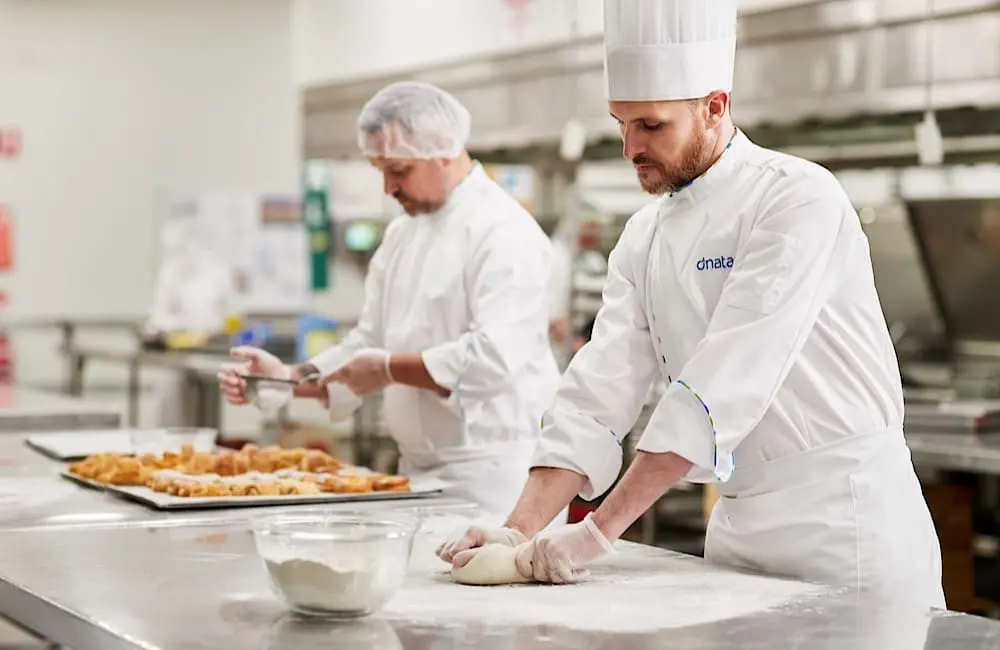
The catering centre is the biggest single investment. At 3,250 square metres, it will have the capacity to produce up to three million meals a year for domestic and international carriers, and it is expected to create more than 200 direct jobs over the next decade. Until it opens, dnata will serve its Western Sydney airline customers from its existing facility at Sydney Kingsford Smith Airport, so meal service quality shouldn't skip a beat as routes ramp up.
The Rayleigh Lounge, located in the international terminal, leans on Western Sydney's food culture, with a menu built around locally sourced ingredients and the region's culinary diversity. It's a small but telling sign the airport is positioning itself as more than a functional alternative to the city's older gateway.
For travellers, why does any of this matter? A new airport only works if the unglamorous machinery — ground handling, catering, lounge operations — keeps pace with the flight schedule. dnata's involvement from day one suggests the operation isn't being assembled on the fly. As more domestic and international carriers add Western Sydney routes, passengers from Sydney's west can realistically skip the long trip across town to Mascot, and the presence of a proper international lounge and a high-capacity catering operation signals the airport is being built for scale, not just a token handful of services.
It also matters for anyone booking through a travel agent: continuity of service standards across both Sydney airports gives advisers more confidence recommending itineraries that route through WSI. Ground handling quality, on-time performance and lounge access are the things travellers actually notice, and having one established operator covering them from opening day reduces the risk of teething problems — or at least gives airlines a familiar partner to lean on.
Watch this space through late 2026 and 2027: the cargo terminal lands first, the lounge goes live from November 2026, and the catering centre completes the picture the following year. If Western Sydney's flight schedule grows the way the airport hopes, this behind-the-scenes build-out is the reason it can.