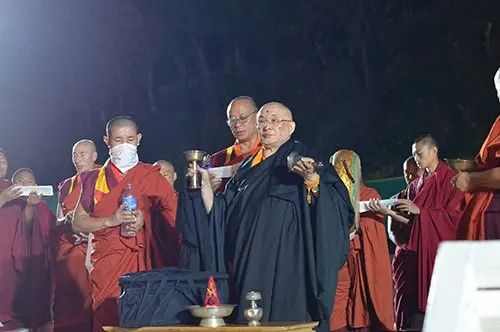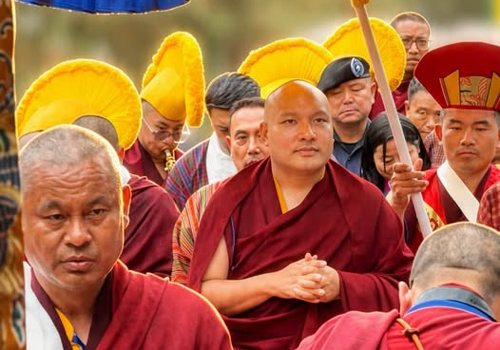
One of Tibetan Buddhism's most senior figures has arrived in Bhutan for a ceremony that is quietly putting the kingdom's newest big idea on the map. Gyalwang Karmapa Ogyen Trinley Dorje landed this week to take part in the sacred gathering for Project 108, running from 1 to 4 November at Gelephu Mindfulness City, the ambitious special administrative zone His Majesty King Jigme Khesar Namgyel Wangchuck has championed as a global hub for spirituality and wellbeing.
The Karmapa's contribution to Project 108 is substantial. Through the Karma Leksheling Foundation and its sponsors, he is personally offering three of the 108 Jangchub Chortens — stupas that form the spiritual centrepiece of the site. He framed the gesture as thanks to the King, citing both his service to the nation and the vision behind Gelephu Mindfulness City itself.
The offering goes beyond the chortens. The Karmapa is also funding the illumination of the entire 108-stupa complex, plus lighting along the full 12-kilometre circumambulation path that circles the site. For pilgrims and visitors, that means the whole complex will be lit for evening walks — a practical detail that turns a sacred site into something you can actually experience after dark, whether you are there to pray or simply to walk the circuit.
For anyone following Bhutan's development plans, the symbolism is hard to miss. Gelephu Mindfulness City is still in its early stages — masterplans, infrastructure deals and diplomatic groundwork — but Project 108 gives it a first spiritual landmark, and the endorsement of high-ranking lamas lends it cultural credibility that no marketing budget could buy. The Karmapa, who has spent long periods based outside Bhutan in recent years, choosing to attend in person signals how seriously the monastic community is treating the King's project.
So why should a traveller care? Gelephu is a small, low-key town on Bhutan's southern border with India, long a crossing point for people driving between the two countries rather than a destination in its own right. The mindfulness city plan — with its promised airport, wellness offerings and Buddhist-inspired urban design — aims to change that. Project 108's gathering this November is a rare early chance to see the site while it is still taking shape, and the illuminated chorten circuit will make an atmospheric addition to a southern Bhutan itinerary for anyone already heading to or from India overland.
If you are planning a trip around the event, keep in mind that Bhutan still requires most visitors to arrange travel through licensed operators and pay the Sustainable Development Fee, and southern Bhutan sees a warmer, more humid climate than the Himalayan interior. But for travellers drawn to living Buddhist traditions — and curious about what the world's newest mindfulness city will actually look like — Gelephu in early November is an unusually interesting place to be.
Credit: The Bhutanese