Colorado runs the busiest search and rescue operation in the United States, and it's staffed entirely by volunteers — more than 3,000 callouts a year, nearly half a million logged hours, and an estimated $1,500 out of pocket each per year for fuel and gear. The system is funded in part through outdoor recreation licenses, and here's the twist: a fishing license counts, whether or not you ever cast a line.
If you're rescued while carrying a fishing license, the team that responds gets reimbursed right away instead of waiting on year-end funding. It's not insurance and you don't need one for SAR to be dispatched — Colorado never bills rescued hikers — but it's a direct way to bankroll the people who might come for you. Not an angler? Hunting, snowmobile, boat and off-road vehicle licenses do the same job, or you can buy a dedicated Colorado Outdoor Recreation Search and Rescue (CORSAR) card online for $5. Fishing licenses run about $45 for residents and $124 for non-residents in 2026.
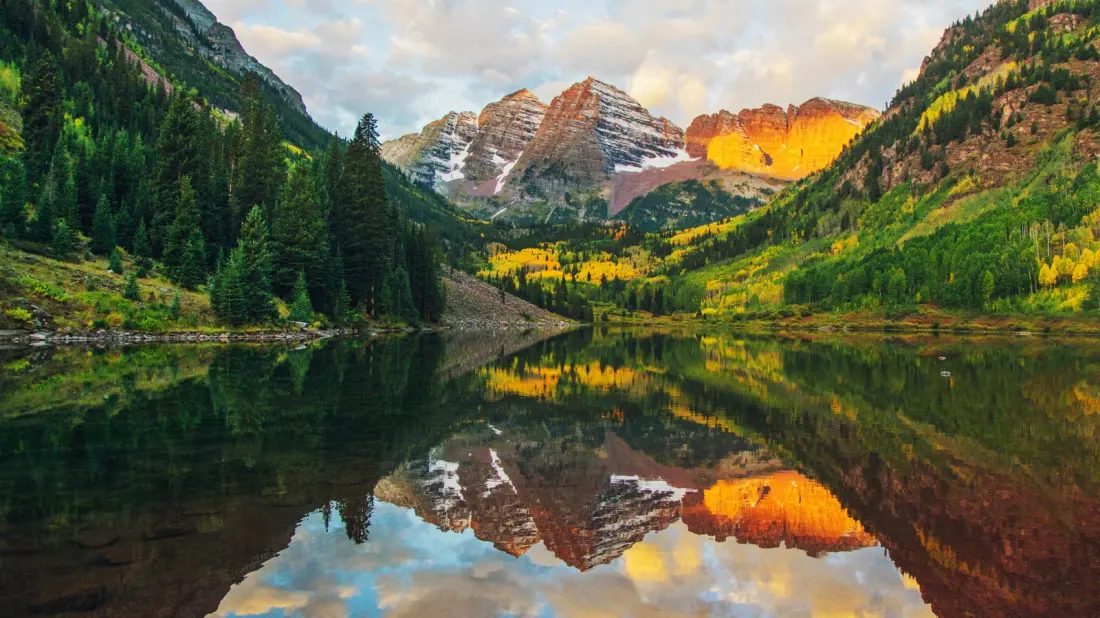
Why so many rescues? A lot of it comes down to summit fever on the state's 58 fourteeners — peaks above 14,000 feet. Pikes Peak is the classic trap: a road and cog railway make the summit look easy, so roughly 15,000 people a year attempt the 12-mile Barr Trail, gaining 7,300 vertical feet. So many exhausted but uninjured hikers dial 911 from the top that Colorado Springs now fines them $100. Real emergencies happen too — a 55-year-old man went missing on the trail in June 2025, prompting a search by 100 volunteers, drones and K-9 teams before another hiker found his body near the summit. Longs Peak, the state's deadliest mountain with 71 deaths between 1915 and 2021, saw two men rescued from its summit in February 2026 after three helicopter attempts in severe weather.
Colorado's stance is deliberate: charging for rescue would, in the state SAR association's view, damage the outdoor culture that drives tourism. That's not universal. New Hampshire has billed 'negligent hikers' since 2008 — in August 2026, four teenagers rescued from Franconia Ridge with no lights, insufficient food and water, and poor clothing got a bill from Fish & Game.
The practical takeaway for anyone hiking in Colorado: toss a $5 CORSAR card or a fishing license in your pack, check the weather before committing to a fourteener, and don't treat sore legs as an emergency. The one rescue-related cost that can still land on you is medical — an ambulance or life-flight helicopter is typically a health insurance matter, not a SAR one.