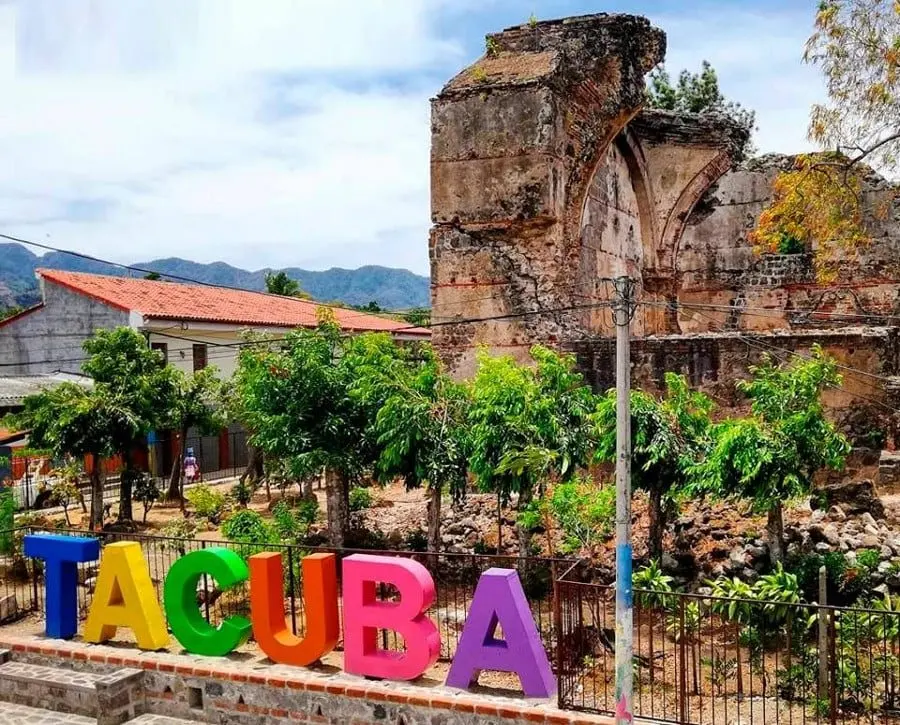
While most visitors to El Salvador head straight for the surf breaks, a small town in the western highlands is quietly making a case for a detour. Tacuba, in the Ahuachapán department about 16 kilometres southwest of the departmental capital, offers colonial ruins, mountain scenery and a pace of life you won't find on the coast.
The town's headline sight is the ruin of the Santa María Magdalena Church, a short walk from the centre. Construction began in the 1600s, and the building's thick stone walls and decorative detail hint at how much weight the Spanish colonial era placed on religious architecture. A major earthquake in 1773 wrecked the structure, and later tremors and weathering finished the job. The site was declared a protected cultural monument by El Salvador's Legislative Assembly in 1978, and today the surviving walls sit near the working parish church — a neat before-and-after contrast in one small square.
Tacuba's story goes back further than the Spanish. The town has pre-Hispanic Indigenous roots, and its name itself carries that heritage. Farming, especially coffee, shaped its economy for centuries, and those old coffee routes once ran across the mountains toward the Pacific coast — paths that now lead hikers into one of the country's best natural attractions.
That attraction is El Imposible National Park, a short trip from town. The park covers more than 3,900 hectares of tropical forest and rugged terrain, sheltering birds, mammals and native plants while protecting the region's water sources. Access is controlled, so check entrances, guide requirements and trail conditions before you set out.
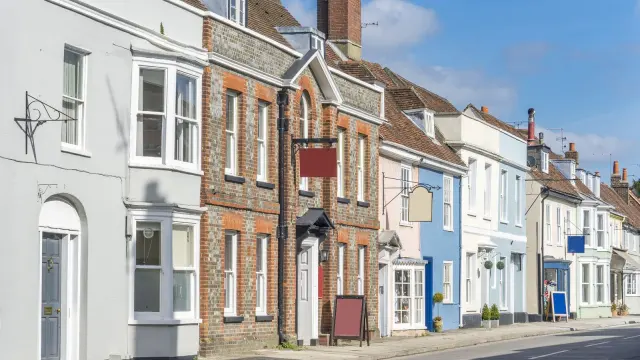
In town itself, there's no packed itinerary needed — and that's the point. Start at the central park, wander streets lined with traditional buildings, browse small shops, and settle in for a Salvadoran lunch. Time your visit around local religious festivities in honour of Santa María Magdalena if you want to see community traditions up close.
Practically speaking, Tacuba works best as a half-day to full-day stop on a western El Salvador loop. It's reachable by road from Ahuachapán, or from San Salvador by heading west and then taking the local road. Buses run the route, though schedules reward a little advance checking. A car gives you freedom to explore the surrounding farmland and mountain villages at your own pace.
If you've already done the beaches and Ruta de las Flores, Tacuba is the kind of low-effort, high-reward stop that shows a different side of the country — colonial history, Indigenous heritage and rural life, all within a few hours of each other.