A single dental implant can set you back $3,000 to $6,000 in the US or Canada, and insurance often won't touch it. In Costa Rica, the same work typically costs 50-70% less — which is why thousands of North Americans now fly down each year and combine treatment with a holiday.
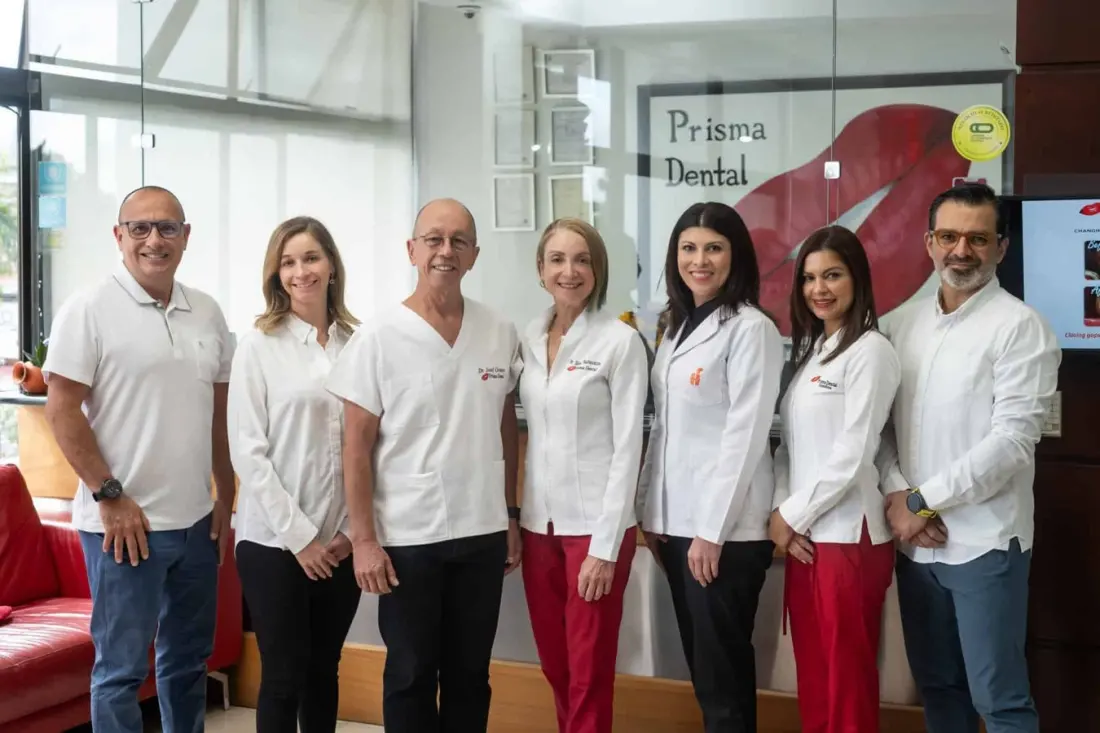
One of the country's longest-running players is Prisma Dental, a San José clinic with more than 35 years in dental tourism. Its team includes Dr. Nadine Cordero, internationally trained and certified in both the surgical and restorative sides of implant dentistry. The clinic runs a digital workflow with an on-site lab, which matters more than you'd think: crowns can be ready in two days and a full-mouth restoration in about four, versus weeks of waiting and multiple lab bills back home.
The economics are the real draw. The clinic offers upfront quotes based on radiographs and existing treatment plans, so patients know the number before they fly. Packages can include free airport pickup and help booking recovery-friendly hotels nearby. On top of that, dental tourism costs are tax-deductible in some countries, and many international insurers will reimburse part of the bill — with the clinic handling the paperwork. Even after flights and accommodation, patients say the total often runs thousands below a US quote. One, Roberta Kasman, reported paying 60% less than her US estimate for two bridges, including a cleaning and bite guard, with permanent bridges fitted just three days after the procedure.
The process starts remotely: you email your records, get an estimate and treatment plan, and most cases are completed within five business days on the ground. Staff are bilingual, which removes the language hurdle that puts some people off treatment abroad.
A note of caution for anyone considering this route — this piece is essentially an advertorial from the clinic itself, so treat the claims as a starting point rather than gospel. If dental tourism appeals, the playbook is the same regardless of provider: get a detailed written treatment plan before booking flights, verify the dentist's certifications and the implant brands used, check reviews from multiple sources, and confirm what aftercare looks like if you're back home when something goes wrong. Costa Rica is a genuine hub for this kind of travel with a strong private healthcare reputation, but due diligence is on you.
Why it matters: if you're facing a five-figure dental bill, folding the treatment into a Costa Rica trip can make the maths work — and you'll recover somewhere with volcanoes, beaches and good coffee rather than a waiting room in winter. It's a practical option for anyone needing multiple implants or full-mouth work, less compelling for a single filling.