On the Appalachian Trail these days, boots are nearly extinct. Surveys suggest roughly 90 percent of thru-hikers now wear trail runners, with boots accounting for barely a tenth of footwear on the trail. Lightweight, cheaper, quicker to dry and easier to move in — running shoes have clearly won the numbers game. But a recent Backpacker essay argues that something worth keeping is disappearing with them.
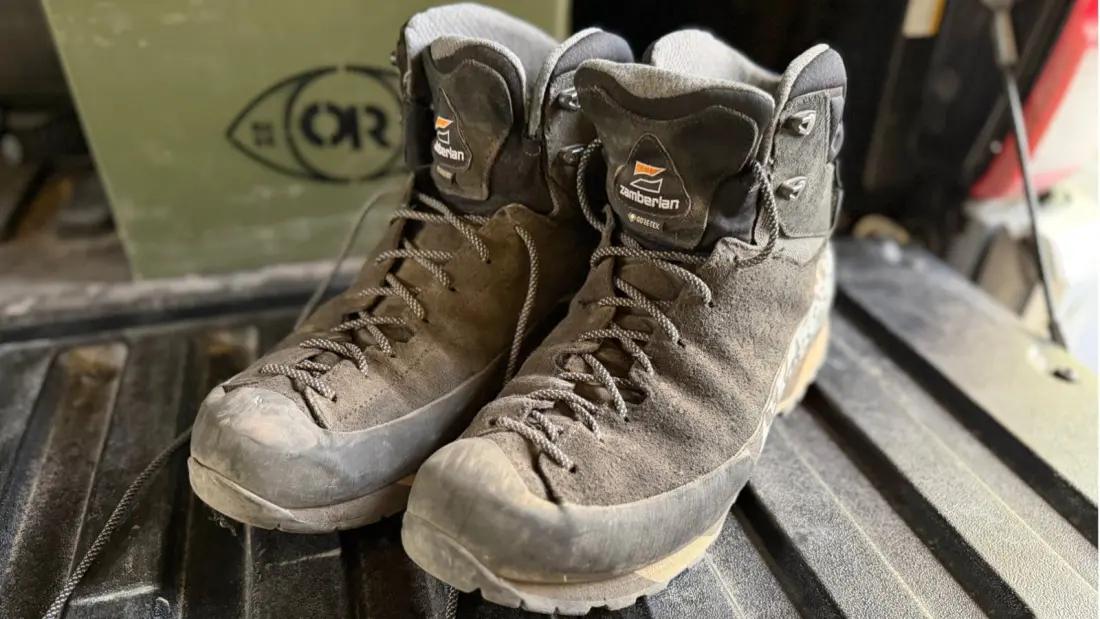
The case isn't about performance. It's about what boots carry that runners can't: history. A writer's pair of Zamberlan leather boots has logged four years of hard use and picked up stories along the way — unmatched laces from a mountain-top proposal (a lace served as the ring), an olive-oil stain from a lunch with his parents at a refuge in the German Alps. Cheap trail runners get replaced so fast they rarely accumulate that kind of meaning; Backpacker has interviewed athletes who burned through 14 pairs of shoes on a single thru-hike.
There's a practical and environmental edge to the argument too. Boots last years instead of months, and some brands — Zamberlan included — offer resoling services that can add another three or four years to a pair. Almost nobody offers that for running shoes. The throwaway cycle matters: studies have flagged soft-soled running shoes as significant contributors to microplastics in remote lakes and streams, something not yet observed with harder-soled boots. Fewer pairs in the bin is fewer pairs in the water.
Then there's the pace argument. Nobody sprints in full-height boots — they're heavy, warm and clumsy. And that, the essay suggests, is partly the point. Boots slow you down, which makes you look around, listen and actually notice where you are. Add in the protection factor — scree, submerged rocks, twisted roots, wobbly ankles — and the old-school clunker starts to look less like nostalgia and more like a deliberate choice.
For travellers, the takeaway is simpler than the debate: match your footwear to the trip you actually want. If you're racing a long-distance route or counting miles, trail runners make sense and nobody's arguing otherwise. But if you're heading somewhere rocky and wet — Alpine trails, Scottish munros, volcanic paths in Iceland — or you've got dodgy ankles, a sturdy mid-height boot is still the safer, longer-lasting pick. Break it in before you fly, consider a resole instead of a replacement when the tread wears down, and you may end up with a pair of boots that outlasts several holidays and remembers them better than your camera roll does.
The gist of the piece: gear evolves, records fall and fabrics improve, but boots remain part of hiking's identity — less a tool than a trademark of where you've been.
Backpacker