Florida's most successful pest-control effort of the year happened underwater. The state's 2026 Lionfish Challenge wrapped with 36,187 invasive lionfish removed — a new record, and roughly 5,000 more fish than the 2025 edition pulled out of Florida waters.
The Florida Fish and Wildlife Conservation Commission (FWC) announced the results on Oct. 19. The competition ran from May 22 to Sept. 14, drew 533 registered participants and logged 1,468 dive trips. Entry is free, and divers can compete from anywhere in the state: recreational participants hand in lionfish tails at designated checkpoints as proof of removal, while commercial harvesters are ranked by total weight landed.
The 2026 edition handed out titles in six categories. Hunter Ledbetter of Monroe County took Lionfish King with 1,541 fish and added the Veteran Champion title. Broward County's Helen Rodney was named Lionfish Queen on 1,488 — just 53 fish behind. David Garrett from Volusia County won the Commercial Champion crown with 1,136 pounds (about 515 kg) of lionfish, teenager Meagan Huffman of Texas claimed Junior Champion with 185 fish, and Pensacola dive shop Dive Pros earned Top Checkpoint after taking in more than 5,000 tails over the season.
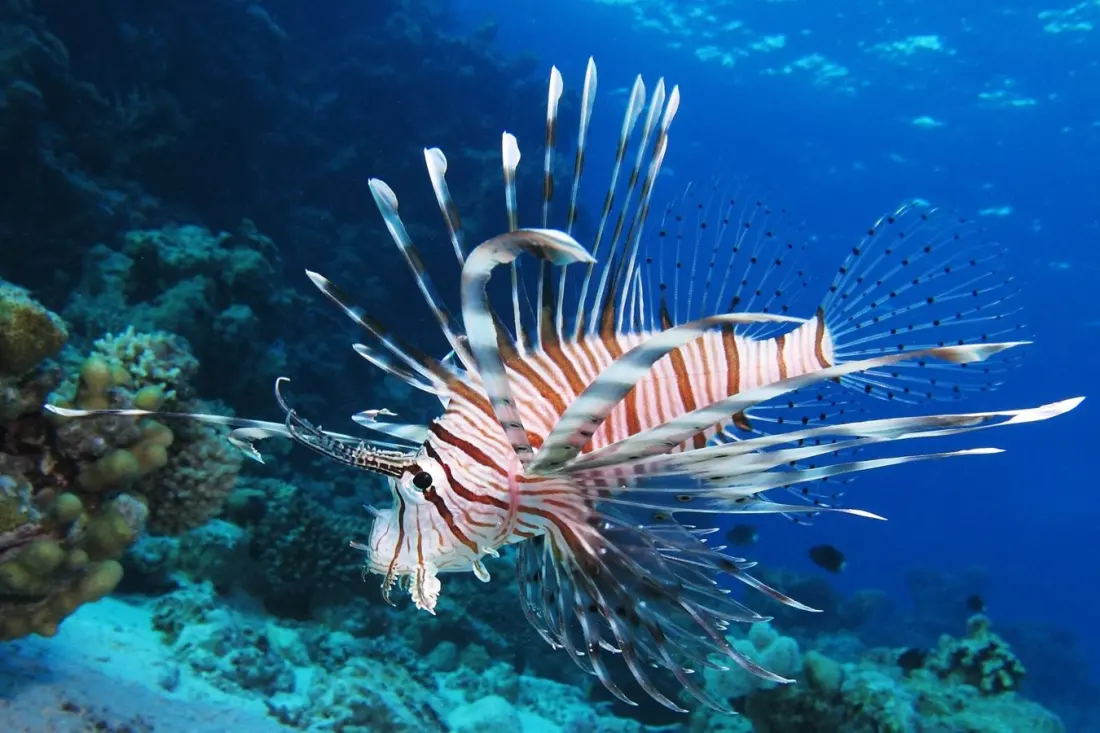
Why the fuss? Lionfish are native to the Indo-Pacific but have colonised the western Atlantic, Caribbean and Gulf of Mexico, likely after being released from aquariums — the first US sighting was off Florida in 1985. They eat reef fish and invertebrates at an alarming rate, breed quickly, and carry venomous spines (though the flesh is safe and tasty once the spines are dealt with). Every fish removed takes pressure off reef food webs that divers and snorkellers travel to see.
Florida isn't the only place turning the invasion into an opportunity. On Colombia's Providencia Island, marine biologist Josselyn Bryan Arboleda and her partner Jostiffer Garcia Henry are pushing a different tactic: eat the enemy. Chef Martin Quintero at Caribbean Place Donde Martin cooks lionfish as ceviche, fried fillets, skewers, garlic-sauce and steamed dishes, and compares the flavour to snapper. The idea is to build steady restaurant demand so fishers earn enough to keep hunting the species — a complement to Colombia's formal lionfish control plan, adopted back in 2013 via Resolution 675.
For travellers, this is a rare case where a holiday activity genuinely helps. If you dive or snorkel in Florida, the Caribbean or the Gulf, lionfish derbies and removal programmes run every summer, and many operators will happily point you at them. And ordering lionfish on a menu — common now on Providencia and increasingly elsewhere in the region — does the same job by another route. One caveat from the FWC's own numbers: a record catch year is impressive, but it doesn't yet tell us how much the statewide lionfish population is actually shrinking. The fight is far from over.