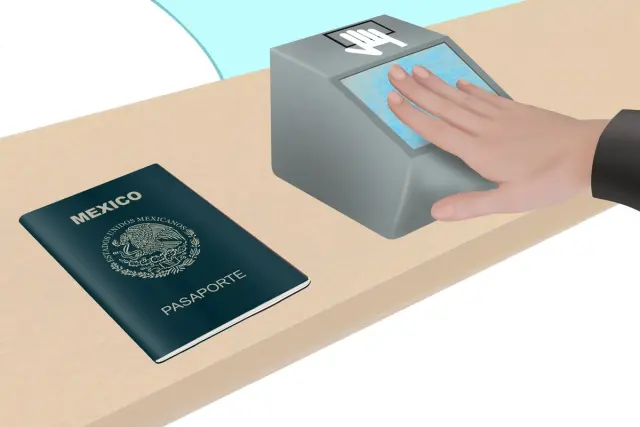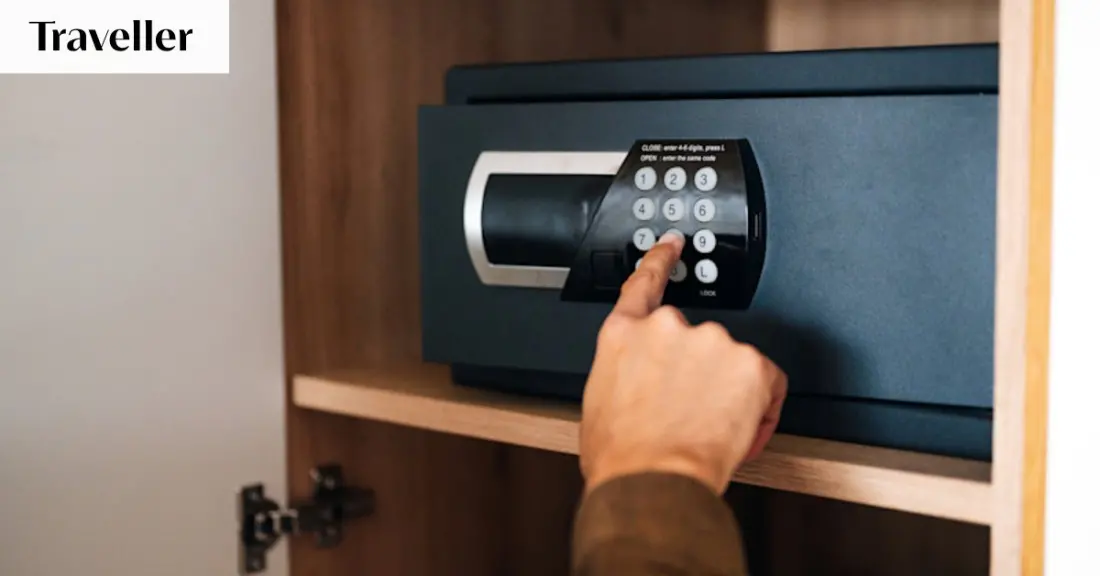
A fire alarm at sea taught one veteran travel writer a lesson worth stealing. On a cruise, alarms sounded overnight and passengers were told to gather passports, cash and essential medicines in case they had to evacuate. The catch: everything important was inside the in-room safe, and with the power cut – either failed or switched off as a precaution – it wouldn't open. The fire was contained quickly, but the writer now leaves hotel and cabin safes unlocked whenever they're in the room.
The logic is simple. Burglars targeting you while you're actually in the room are vanishingly rare, while emergencies – fires, floods, earthquakes – do happen, even if rarely. In a midnight evacuation you want your documents, some ready cash and any critical medication (vital for diabetics or transplant recipients) within arm's reach, not sealed behind an electronic lock on a dead circuit. Valuables left on a bedside table overnight are, realistically, just as secure.
It's not the only way safes trip up experienced travellers. In a separate incident, the writer locked valuables in a Tokyo hotel safe before heading down to breakfast, then checked out straight afterwards and only realised at the train station – passport, wallet and laptop all still in the room. The lesson there: give yourself a visual cue the night before departure. The trick of choice is placing a shoe on top of the safe, or somewhere odd like against the door or on the desk, so you can't walk out without remembering to empty it.
A few other habits are worth adopting. Avoid obvious codes like your birthday – the hotel has your details on file. Do a test lock-and-unlock before putting anything inside, so you know the mechanism works. And hang the Do Not Disturb sign on your door when you go out; would-be thieves tend to assume you're still inside.
None of this is complicated, and that's the point – safes are so ordinary we stop thinking about them. But even careful travellers get caught out, and a fire, a checkout rush or a flat battery can turn a locked safe into a real problem. If you carry medications, travel documents or a laptop, it's an easy habit change with outsized upside.