From June to October, most of Mexico gets its annual dose of rain — and far from ruining a trip, the wet season often makes one better. Storms typically arrive late in the afternoon or overnight, drench the ground for an hour or three, then clear off, leaving cool evenings, fresh mornings and air that smells faintly of flowers. For travellers willing to plan around a daily downpour, it can be the most rewarding stretch of the Mexican year.
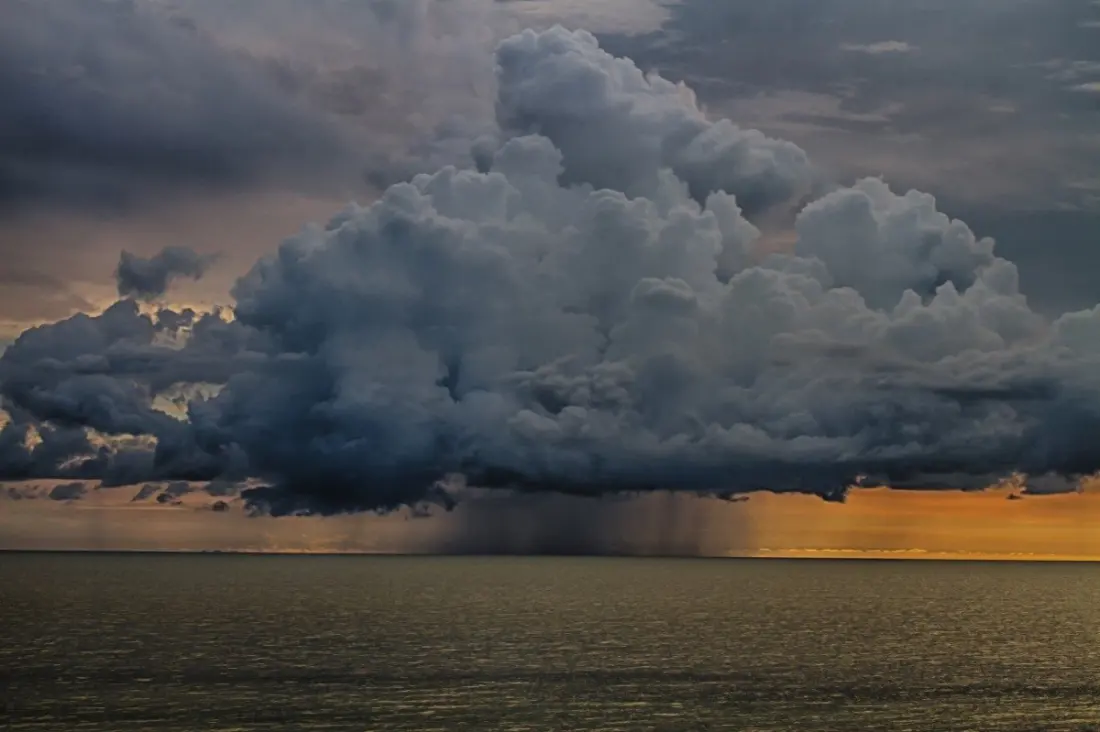
The pattern is predictable: gusty winds, a lightning-and-thunder show, then heavy rain that knocks the edge off the summer heat and humidity. Most storms are short. Only a passing tropical depression produces prolonged rain. In some regions the storms run on a near-daily schedule — brewing in the late afternoon, dumping overnight, and giving way to bright mornings, sometimes with a little fog that burns off by lunchtime.
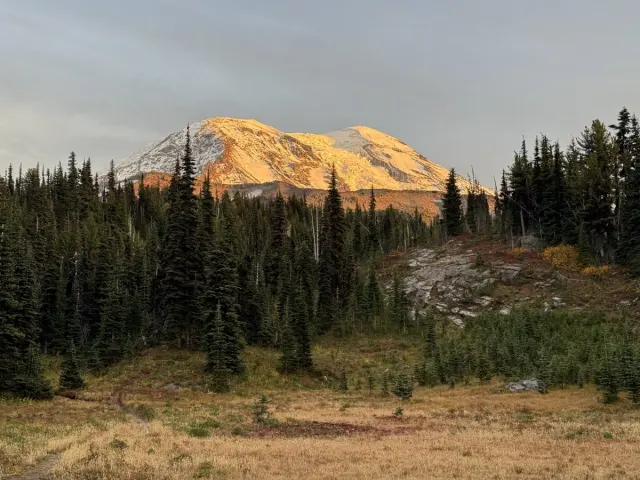
Where you go changes the experience. In Copper Canyon, Chiapas and the Yucatán peninsula, the rains turn the flora blooming and fragrant in ways the dry season simply can't match — a big deal if scenery is why you're there. In the central and southern highlands, the storms are the most theatrical of all: lightning streaking across open skies, thunder echoing off valley walls and cliffs. The rains are also lifelines there, refilling the aquifers and watering crops that carry these regions through the dry months.
Beach plans survive the season fine, too. On the coastal plains, the afternoon storms rarely eat into a full beach day — you swim and sunbathe in the morning, duck indoors for the downpour, and get a pleasantly cool evening as a bonus. The exception is the Baja peninsula, which stays mostly dry year-round; its short wet spell runs from August to early October, with September the wettest month.
One caveat: July to October is also hurricane season. Storms form over the Pacific and Atlantic and some make landfall, with coastal areas always most exposed. It's impossible to forecast how active any year will be, so if you're travelling to the coast in late summer, keep an eye on forecasts and build some flexibility into your plans. Inland, Mexico's mountain ranges tend to break up cyclones into cloud and rain, and temperatures stay warm.
Who is this for? Anyone considering Mexico between June and October and wondering if the 'green season' is a mistake. It isn't — landscapes are at their most vivid, the air is fresher, and a daily storm is more spectacle than inconvenience. Just pack a light rain layer, schedule big outings for mornings, and book refundable rates if you're heading to the coast during peak hurricane months.