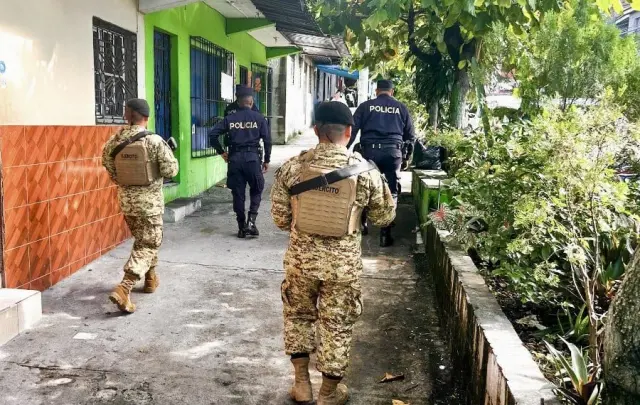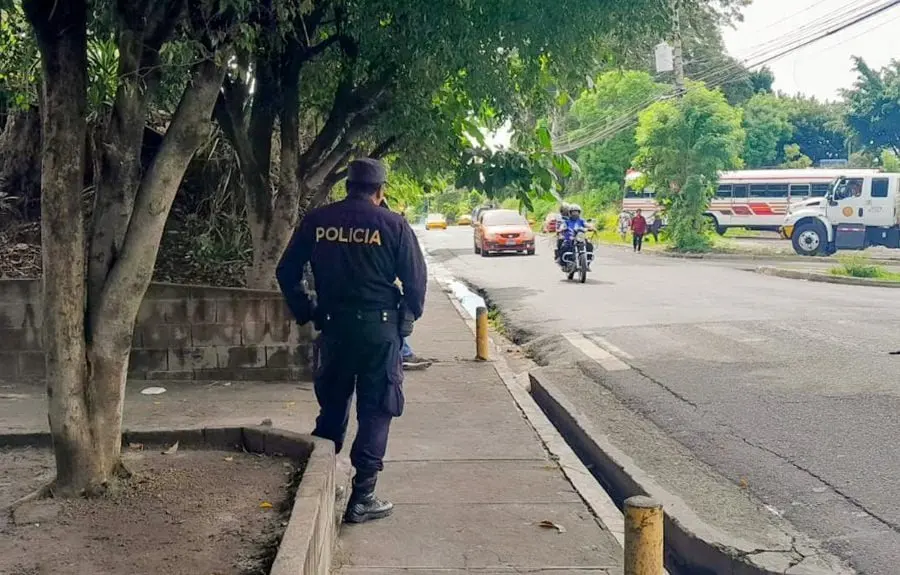
El Salvador has now arrested more than 93,000 people under the state of exception that President Nayib Bukele's government launched in March 2022, according to the country's Legislative Assembly. The emergency measures, rolled out after a weekend of gang killings that left 62 dead in a single day, remain in force more than four years on — and they have reshaped the country that visitors encounter today.
The figures tell the scale of the operation. Officials counted 91,628 arrests by late March 2026, rising to 92,414 by June and 93,162 by 23 September 2026. Most detentions target suspected members of MS-13 and Barrio 18, the gangs that dominated neighbourhoods across El Salvador for decades, extorting businesses and controlling movement in whole districts.
The headline result is a dramatic fall in homicide. Government statistics show the rate dropping from 106.3 deaths per 100,000 people in 2015 to 1.3 in 2025 — a country once among the world's most dangerous now posting numbers that rival Western Europe. Supporters credit the crackdown; critics point out homicides were already declining beforehand and question how deaths are counted.
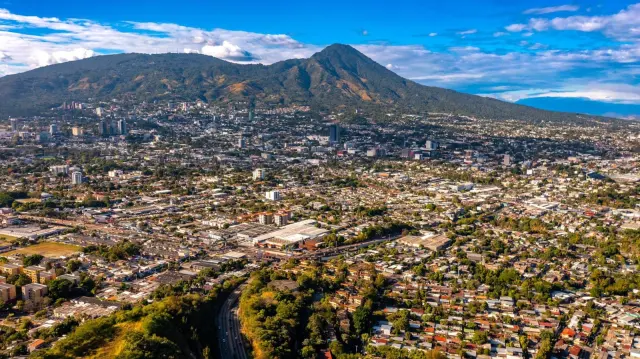
For travellers, the practical effect is visible on the ground. Areas that were once off-limits because of gang intimidation — including spots popular with surfers and backpackers along the Pacific coast — are now regularly visited, and Salvadorans themselves report being able to move freely through previously controlled neighbourhoods. Tourism has grown as a result, and the government leans heavily on its security record to promote the country.
But there is another side worth knowing about. Human rights organisations including Human Rights Watch and Amnesty International have documented allegations of arbitrary detention, restricted access to lawyers, deaths in custody and poor prison conditions — with some people arrested on thin evidence, including minors with no criminal record. The emergency law suspends certain constitutional protections, and lawmakers have repeatedly extended it in 30-day increments since 2022.
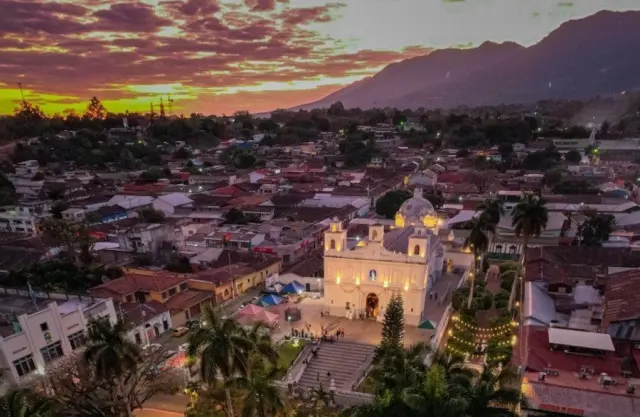
Does this change how you should travel in El Salvador? For most visitors, day-to-day risk has fallen sharply, and the destinations on the standard route — surf towns like El Tunco, the Ruta de las Flores, Lake Coatepeque, the Santa Ana volcano — are calmer than they have been in a generation. Standard urban precautions still apply, and it's worth following local news, since the country remains under an extraordinary legal framework and the situation is still evolving. Understanding the context matters too: the safety you experience as a traveller is the product of a policy that remains deeply contested at home and abroad.