Owning things is getting harder to afford in Egypt, and that is quietly reshaping how people there use cars, offices and everyday items. Rather than buying, many are paying only for what they actually use — and the numbers explain why.
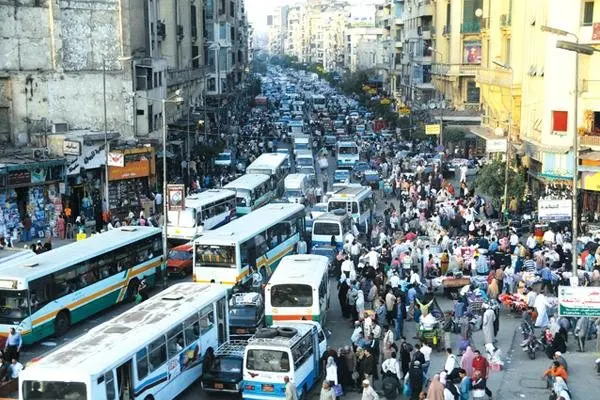
Take the car, the classic symbol of personal independence. Egypt's private-sector minimum wage rose to EGP 7,000 (about USD 131) a month in March 2025, and is set to reach EGP 8,500 (USD 159) from January 2027. Meanwhile one of the cheapest new sedans on the local market, the locally assembled Nissan Sunny, was listed from EGP 665,000 (USD 12,449). Save your entire salary and it still takes roughly 95 months — close to eight years — to pay for it, before fuel, insurance or maintenance. Faced with that gap, Cairenes lean on public transport and ride-hailing instead. How sensitive that market is to price was shown in a J-PAL study of 1,373 Cairo Uber users: those given a 25 percent discount rode 175 percent more often.
The same logic applies to workspace. A December 2025 report from the American Chamber of Commerce in Egypt points to growing demand for serviced and coworking offices that scale with a business and skip long lease commitments. International Workplace Group, the company behind Regus and Spaces, had 17 centres across the country by November 2024. A newer entrant, MQR (formerly AlMaqarr) with Nile City Investments, opened a flexible workspace at Cairo's Nile City Towers in June 2025 with 32 private offices, three meeting rooms and two shared areas. For freelancers and startups, renting a ready-to-use office beats furnishing one from scratch; larger, stable companies may still be better off owning.
The shift reaches beyond cars and desks. Local platforms such as Rento rent out dresses for weddings, while Aggarli lists cameras, electronics, camping gear and tools — sensible options for items you might use a handful of days a year.
Why should a traveller care? For visitors, it explains the Cairo they will experience: heavy reliance on ride-hailing apps and the metro, a booming coworking scene that makes working remotely from Egypt genuinely easy, and a culture where rental and sharing services are a normal part of daily life. It is also a useful backdrop for understanding prices and wages in a country still digesting an inflation spike that peaked at 38 percent in late 2023 before easing to 13.4 percent by February 2026. None of this means Egyptians have abandoned the dream of ownership — the report's point is that the route there is changing, out of necessity as much as preference. For travellers, the practical takeaway is simple: in Egypt, paying to use is often the smartest way to go.