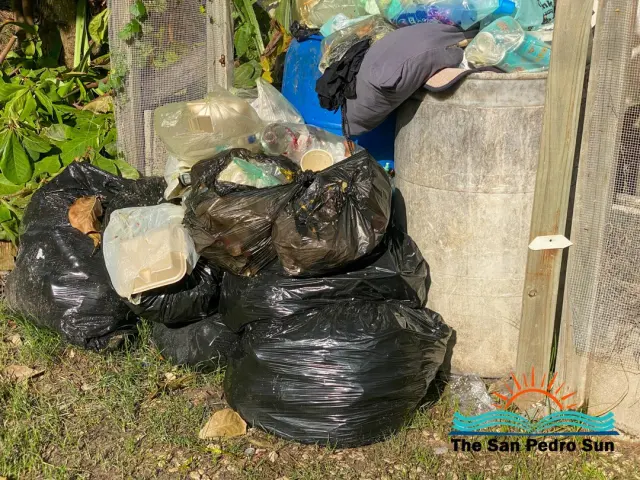
Caye Caulker, the laid-back island off Belize's coast famous for its 'go slow' motto, is about to get a little tidier. Belize's Department of the Environment has started training local officials there to hand out fines for littering, part of a wider national push to clean up streets, beaches and public spaces across the country.
The first training session ran on November 18th at Island Magic, drawing village councillors, police from the Caye Caulker Formation, traffic officers and residents. Presenters covered when a littering ticket can legally be issued, what officers should check before writing one, and the full step-by-step process afterwards. The next stage comes in early 2027, when participants will be certified and formally authorised to issue tickets.
The push sits under the DOE's National Anti-Littering Campaign, which Chief Environmental Officer Anthony Mai says is about more than fines: it aims to promote responsible waste disposal, back up littering regulations with real enforcement, and get residents invested in keeping their own communities clean. The DOE's San Pedro Town office on nearby Ambergris Caye has confirmed a similar session will follow on that island.
Caye Caulker isn't starting from scratch. Officials on the Placencia Peninsula in southern Belize have already been authorised to issue littering tickets, so the island becomes one of the next locations in a growing national rollout. The department is working municipality by municipality and village council by village council, and has thanked local leaders, public officers and community members for taking part.
For travellers, the practical takeaway is simple: Belize is shifting from a place where littering went largely unpunished to one where you can be ticketed for it, on the islands as well as the mainland. That should eventually mean cleaner beaches and streets in exactly the spots visitors love most, from Caye Caulker's split to Ambergris Caye's shoreline. Until certification lands in 2027, local enforcement may be patchy, but the direction of travel is clear. Visitors who carry their rubbish out, use bins where they exist and skip single-use plastics where possible will be ahead of the curve, and doing their bit for the reefs and mangroves that make Belize worth the trip in the first place.