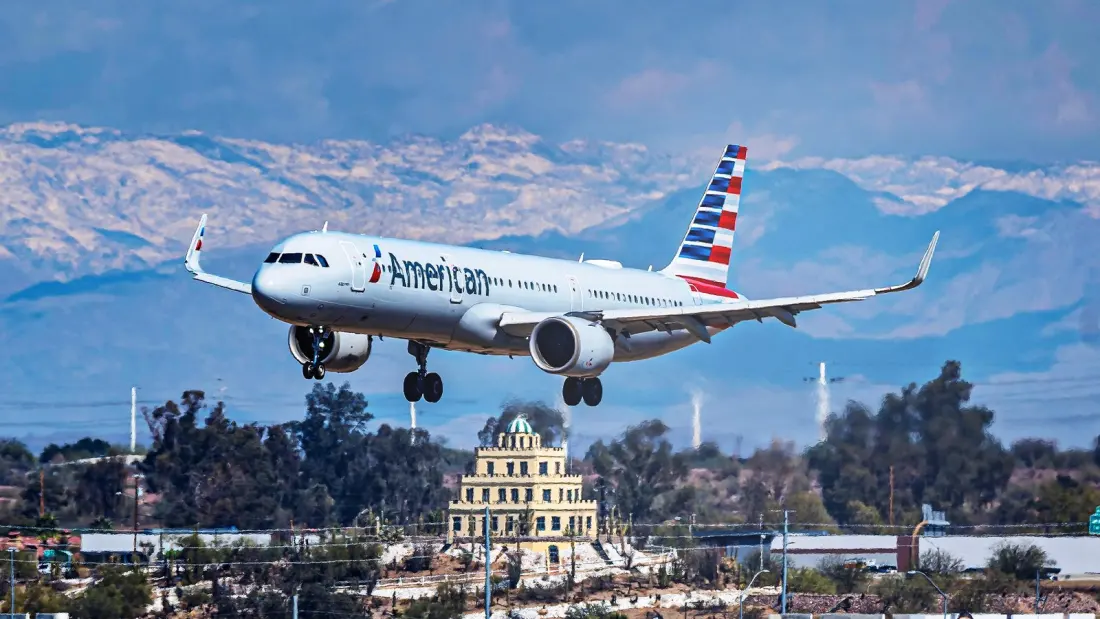
Ten Airbus A321neos in American Airlines' fleet look just like the rest but hide a structural quirk that can change where your seat is. Originally ordered by Virgin America, then inherited by Alaska Airlines when it bought that carrier in 2016, the ten jets were sold to American in 2023 as Alaska streamlined around Boeing aircraft. They started flying for American from Miami in spring 2024, still wearing Alaska's old cabin.
The problem is Airbus Cabin Flex, or ACF. Later A321neos were built with a revised door layout — overwing exits instead of a second pair of full-size doors — which frees up cabin space and lets airlines fit more seats. The former Alaska aircraft were built before that change, and no interior refurbishment can move doors. Converting the fuselage would demand structural work and certification no airline would justify for ten frames.
American did its best anyway. Starting in 2024, jets like N950XV were refitted in San Antonio with the airline's standard Oasis cabin, lifting first class from 16 to 20 seats and tightening economy to match the rest of the fleet. But each of the ten still seats 190 passengers against 196 on the standard version — six fewer economy seats, effectively the capacity of American's older A321ceo layout in a newer, more efficient airframe.
For passengers, the catch is that both versions share the same 32Q fleet code, so a booking often won't reveal which you're getting. Exit rows sit at 17 and 27 on the 196-seat aircraft, but rows 11 and 24 on the ex-Alaska jets. The final row differs too, and lavatory placement means even the seat columns don't line up identically. An aircraft swap can quietly move you, or change the legroom and recline you thought you'd bought. The tell is the registration: N950XV through N959XV are the odd ones out.
American isn't going to fix this by choice or by accident. The jets are young — averaging about 5.6 years old when Alaska retired them — share the same engine family as the rest of the fleet, and were a quick way to add capacity when Airbus delivery slots were scarce. As American's standard A321neo fleet grows (75 aircraft as of early 2026, with more and XLRs on order), the odd ten will crop up less often, but the mismatch stays for as long as they fly.
If you're picky about your seat on a domestic American flight, it's worth checking the registration or seat count before you pay for extra legroom. The real fix, arguably, is on the airline: clearer seat maps in the booking flow, since a reserved seat is a product, not a back-office detail. Until then, one fleet code hides two very different cabins — and only one of them matches the map you expect.