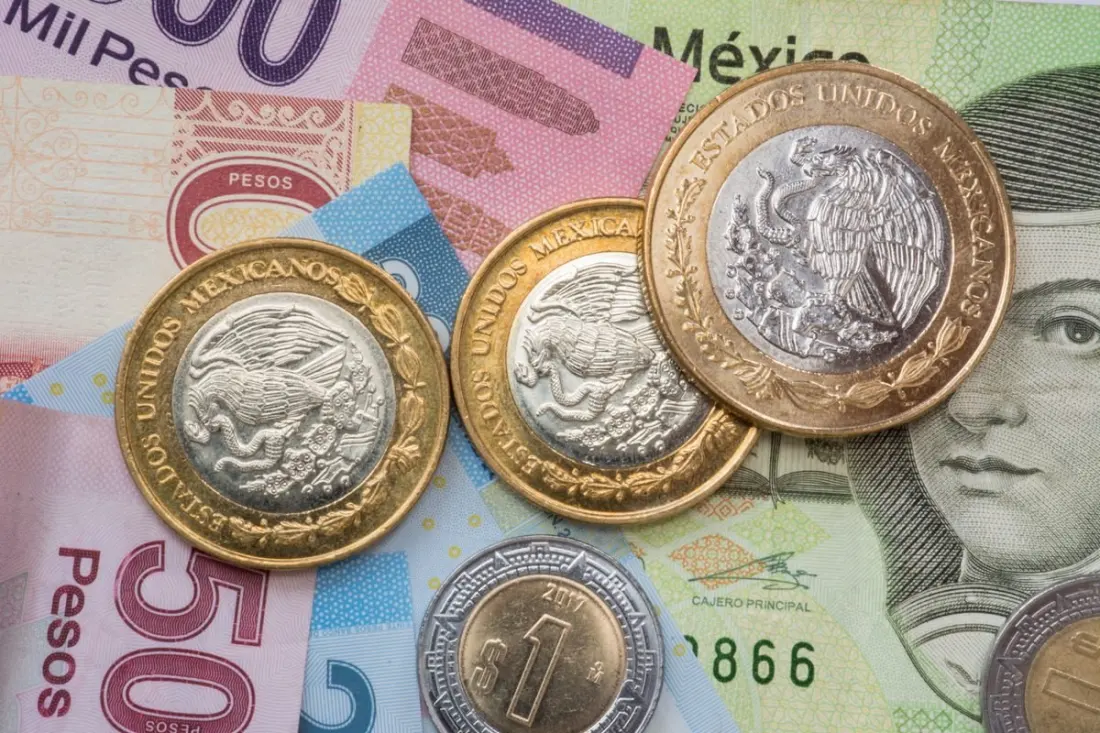
Card machines are everywhere in Mexico these days, but don't pack your wallet without a stack of pesos. Despite a boom in electronic banking, notes and coins remain the default for a big chunk of everyday life — and travellers who assume they can tap their way through the country are in for a rude surprise.
The numbers explain why. Roughly half of Mexican households have no bank account at all, and a Bank of Mexico study found that most people who do carry debit cards mainly use them to withdraw wages as cash from ATMs. The cash preference runs so deep that giants like Amazon, Apple, Google and Uber offer cash-payment options locally, whether that's paying the driver directly or loading prepaid cards at a bank.
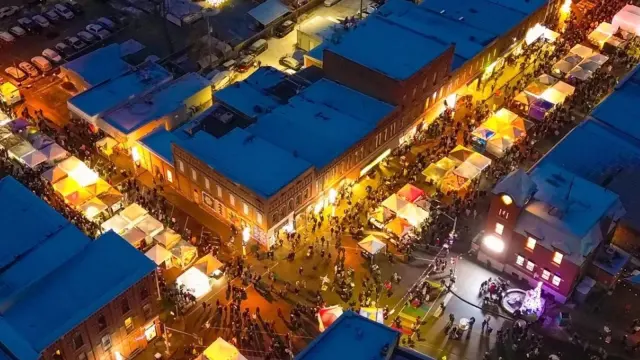
So where can you go cashless? Big supermarkets, department stores, malls, most restaurants in larger towns, airlines, bus companies and professional services (hospitals, clinics, dentists) all take cards without fuss. Even some market stalls in tourist towns now carry smartphone card readers — though many add a 3-5% surcharge to cover their bank fees, or will happily knock a bit off if you settle in cash.
But the cash-only list is where trips get derailed. Independent street taxis outside app-based services like Uber and Didi want pesos, full stop. Tolls on Mexico's interstate highways have been cash-or-electronic-tag only since January 2019 — cards were dropped entirely — and Mexico City's Segundo Piso elevated beltway requires a windshield tag you won't be able to buy with plastic at the access gates. Street food, open-air markets, small family-run shops, rural stores, souvenirs from market traders and local transport all expect physical money.
Two more spots worth flagging. Many of the country's archaeology sites and museums still only accept cash at the gate — INAH, the institute that runs them, is rolling out electronic payment at the biggest sites, but smaller centres lag behind, and any local guide you hire will want cash regardless. And tips should always be given in cash, in Mexican pesos only.
Road-trippers take note: most petrol stations now accept cards since the fuel market opened up, but the card systems are notoriously flaky, and there are mixed reports on how well foreign cards work. Carry a cash backup. If you do pay by card at a fuel station, use a credit card rather than debit and never let it leave your sight — petrol stations are known hotspots for card skimmers.
The practical takeaway is simple: budget for a steady trickle of pesos throughout your day, not just one big withdrawal. Get small denominations too — making change is a constant negotiation at stalls and small shops. If you're on a resort-only package you might barely touch cash, but even then you'll want it for tipping. Everyone else, from city explorers to ruins-hoppers, will hit at least a few cash-only moments.