There's a special kind of misery in pulling on a rain shell mid-hike, only to get soaked from the inside out. A new gear roundup from Backpacker tackles exactly that problem, naming the five best rain jackets of 2026 for hikers who run hot — and the common thread is venting, not just fancy fabrics.
The testing effort behind the picks was serious: 57 testers, 86 jackets, 349 days in the field, and conditions ranging from minus 5°F in Southeast Alaska to 60 mph winds and a 14,344-foot summit of Colorado's La Plata Peak.
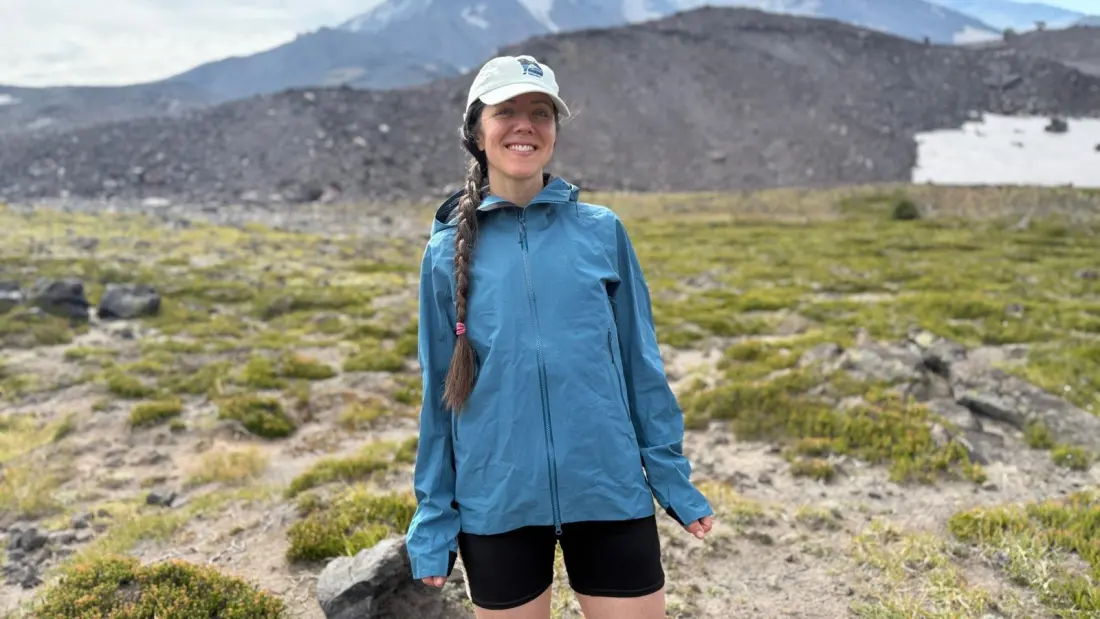
The standout is the Outdoor Research Aspire 3L (sold as the Foray 3L in men's sizing), which at $260 doubles as the most breathable shell the testers have tried. The magic isn't only the recycled 40-denier three-layer AscentShell Dry fabric — it's the full-length side zippers that let heat escape fast. One tester stayed dry on a steep, seven-mile Alaska haul with 40 pounds on her back.
If budget is no object, Canada's 7mesh Guardian Apex costs a eye-watering $600 but impressed testers with diagonal pit zips that work even with arms at your sides, plus nylon tough enough to survive a bramble bushwhack snag-free. At the other end of the price scale, the Marmot SuperAlloy Bio ($185) weighs just 5.8 ounces and packs down to nothing, with a partially plant-based 2.5-layer NanoPro fabric that held up under a heavy pack in 50-degree weather.
Two niche picks round out the list. The Páramo Velez Adventure Smock ($400) skips the usual waterproof membrane entirely, using a DWR-treated polyester face over wicking fabric — heavy at 25 ounces and too warm for summer, but a shoulder-season performer with biceps zippers for dumping heat, and it's repairable and recyclable. And for minimalists, the Montane Featherlite Nano ($130) weighs an almost absurd 1.8 ounces and folds to pocket size, though it's hoodless, tight-fitting, and best treated as an emergency layer for fastpackers and trail runners rather than storm gear.
The takeaway advice matters as much as the picks: waterproofing and breathability involve trade-offs, and even the most breathable fabric can't dump heat like well-placed pit zips. If you overheat easily, prioritise venting options and packability — a jacket you can stuff into your pack without thinking beats a bulky shell you'll leave behind. For any traveller heading into wet, sweaty conditions — think monsoon season treks, humid jungle hikes, or shoulder-season mountain trips — one of these shells could be the difference between comfortable and clammy.