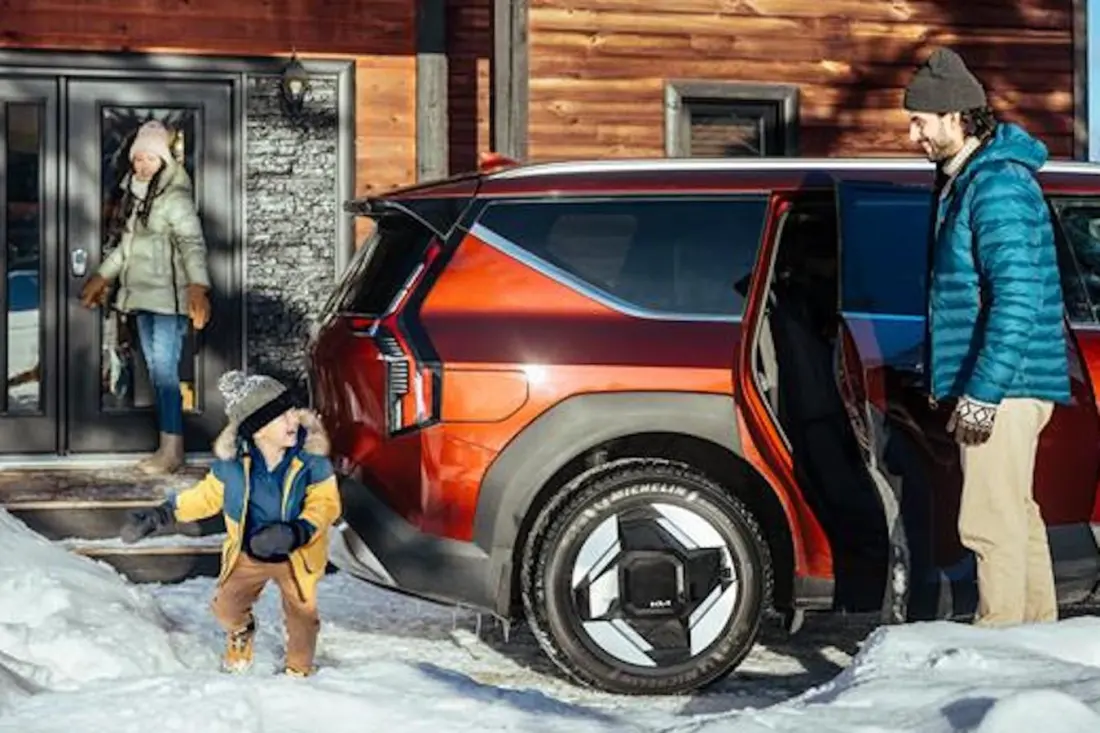
The first cold snap in Canada usually comes with a familiar question from neighbours and coworkers: have you swapped to your winter tires yet? It sounds like small talk, but the timing genuinely matters — and not for the reason most people think.
A common misconception is that winter tires are only for snow days. In reality, they're built for cold, not just for ice. Their rubber compounds stay flexible in freezing temperatures, keeping grip on dry, cold pavement, while all-season tires harden and lose traction well before any snow arrives. The general rule of thumb: once it's consistently 7°C or below, it's time for the switch — usually well ahead of the first snowfall.
The tread design does the rest of the work. Winter tires use patterns that bite into snow and channel slush and water away from the contact patch, so the tire stays glued to the road even when conditions change mid-drive. That matters on a Canadian winter weekend, when a sunny morning can turn into a slushy highway by afternoon.
For drivers shopping this season, Michelin's X-Ice Snow+ is aimed squarely at these conditions, with a tread compound engineered for ice, snow, wet and dry roads. A few numbers worth knowing: Michelin claims over 33 per cent longer tread life than three leading competitors, and for EV owners, roughly 7 per cent better efficiency — which translates to more range in winter, when cold already drains batteries. There's also a noise-reduction technology on board to keep cabin road noise down, plus a 60-day satisfaction guarantee, roadside assistance and a limited warranty under Michelin's Promise Plan.
Why does this matter to travellers? Because winter is prime exploring season in Canada — ski hill runs, cabin weekends, holiday drives to see family. Ice roads, mountain passes and slushy city streets are part of the deal, and the tire on your car is the single biggest safety variable you control. If you're renting a car for a winter trip, it's worth confirming winter tires are fitted; in Quebec they're legally required from December 1 to March 15. And if you own a car you drive through a Canadian winter, budgeting for a dedicated winter set — typically a few hundred dollars per tire plus installation — pays for itself in safety and, often, in slower wear on your all-seasons.
Bottom line: don't wait for the forecast to turn. Get the winters on while the garage queue is still short, and spend the season planning trips instead of white-knuckling the drive there.