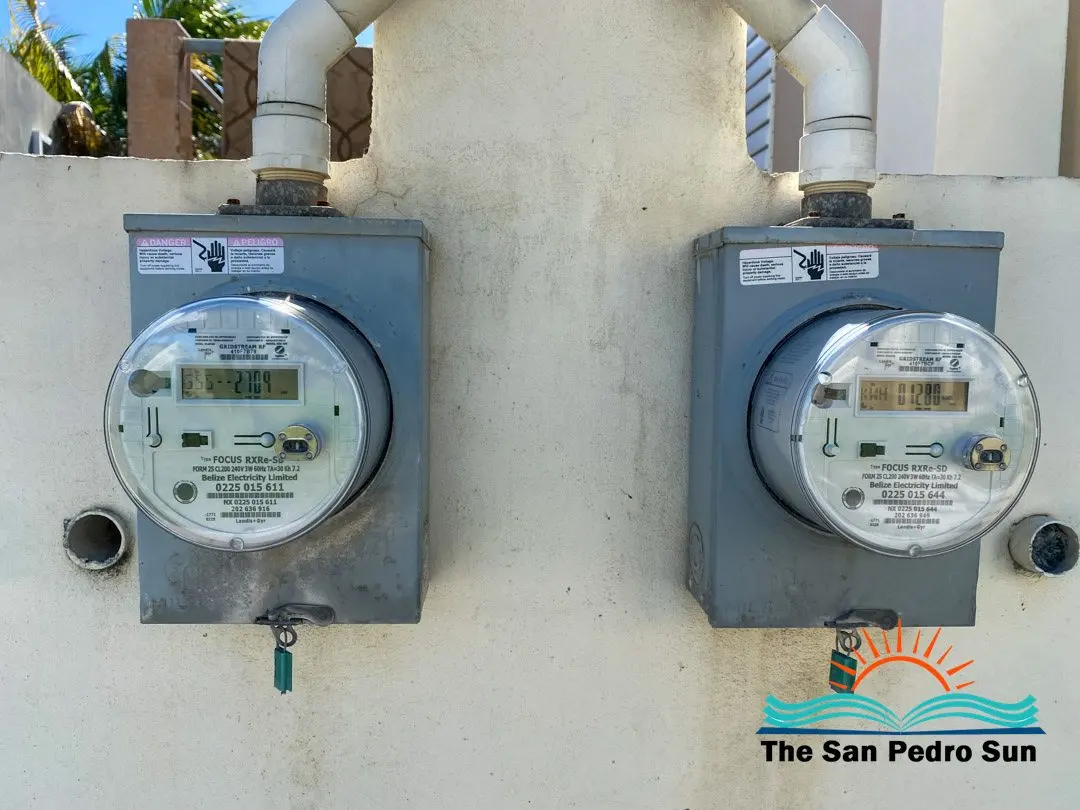
Belize Electricity Limited is betting on cooler weather to bring relief to both the grid and household bills. After months of heat that pushed air conditioners into overdrive, the utility says lower demand could ease its dependence on expensive diesel generation — one of the main reasons power costs have spiked.
The background: a rainy season with disappointing rainfall cut hydroelectric output, while Mexico's Federal Electricity Commission reduced the amount of power it sells to Belize. That left BEL leaning heavily on costly diesel. In September, the company says its cost of power nearly matched what it collects from customers — an unsustainable squeeze. The fallout landed on consumers through the Cost of Power Adjustment (COPA), introduced in August to pass fuel-price swings onto bills. The mechanism, set up under a Public Utilities Commission regulatory sandbox, currently caps the monthly adjustment at 5 percent of the reference power cost, roughly 1.51 Belize cents per kilowatt-hour.
BEL hasn't hidden its frustration. It has hit that ceiling for five straight months and is carrying nearly BZ$30 million in unrecovered costs, so in late October it asked the PUC to double the cap to 10 percent, or about 3.01 Belize cents per kilowatt-hour. The proposal triggered public pushback, and the government has said it wants to find another way. Meanwhile, customers in places like San Pedro and Ambergris Caye — where tourist businesses run air conditioning around the clock — say real relief depends on fixing COPA itself rather than waiting for the weather.
BEL's chairman, Ambassador Lynn Young, has sketched out a longer-term fix: drive generation costs down to around 20 to 25 cents per kilowatt-hour, which would flip the COPA into a negative adjustment — effectively a credit on bills. He wants that achieved by the end of 2027, though he stopped short of promising when customers would actually see reductions. Solar projects expected to start next year are part of that plan.
For travellers, this is mostly context rather than crisis. Hotels, restaurants and dive shops on Ambergris Caye absorb these costs, and cheaper, more stable electricity would help keep island prices sane. Belize's grid has been under visible strain this year, so pack patience for the occasional flicker, and consider that shoulder-season visits in the cooler months — roughly December through February — mean milder temperatures, less air conditioning and generally better value than the hot, buggy stretch from May to August.