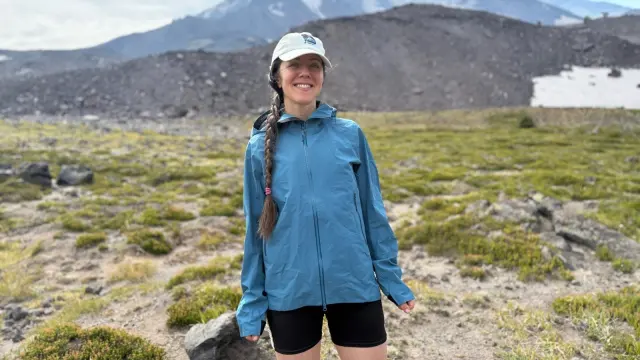
If your ankles roll at the sight of a loose rock, the latest gear testing from Backpacker's sibling reviewers might save your next trip. A panel of 15 testers laced up more than 45 pairs of boots and logged over 700 miles — from coastal British Columbia to New England's windy summits — to find the seven best hiking boots for weak ankles in 2026. The verdict: the humble mid-cut boot still earns its place, even in the trail-runner era, because it supports the joint, cuts fatigue on long hauls, and shields you from rolls and twists when the trail turns rough or your pack gets heavy.
The top all-around pick is the La Sportiva Aequilibrium Hike GTX ($279), a three-season alpine boot with a durable PU midsole, stiffener plate and reinforced toe and heel that stayed pristine after 100-plus rough miles. Budget shoppers get a solid option in the Keen Targhee IV ($190), a classic leather mid-cut with standout waterproofing, a lifetime sole-delamination guarantee, and a break-in period to plan for.
Two Arc'teryx models made the cut from opposite ends. The Kopec Mid GTX ($140) is the featherweight of the group at just 12 ounces for men and 11 for women — the testers' logic being that a pound on your feet costs as much energy as three in your pack — making it the versatile choice for both fast day hikes and week-long loads. The pricier Konseal Trek ($280) brings a Kevlar-reinforced cuff, bonded Gore-Tex membrane and a carbon fiber shank for maximum stability on talus fields, though lacing it properly takes patience.
Heavy-pack specialists have two answers. The Danner N45 Mid GTX ($250) pairs nitrogen-infused foam with a TPU rock plate for a cushioned, supportive ride under serious weight — and looks sharp in all-black. The North Face Offtrail Hike LT Mid GTX ($220) delivers plush ankle support with no break-in drama, though it runs warm in hot weather.
At the rugged extreme sits the Meindl Air Revolution Alpine 4.1 ($420), a burly 24-ounce boot with a stiff sole and aggressive tread built for rough terrain and long stretches above treeline. It surprised testers with its out-of-box comfort and breathability, but it's too stiff for casual day hikes and comes in limited D and EE widths.
The testers' buying advice is worth noting before you shop. Check the cuff first: stiff enough to catch your ankle on a stumble, soft enough for a natural stride — softer support suits long smooth trails, stiffer boots suit steep, loose ascents. Midsole material matters too: EVA feels bouncy and running-shoe-like, while PU trades some weight for firmer support, and a shank adds structure without killing flex. Finally, don't ignore the outsole; soft rubber grips hard surfaces best but wears faster, while harder rubber bites into soft trail yet can slip on slickrock.
Anyone planning a backpacking trip with heavy loads, sketchy footing or a history of rolled ankles should read this before buying footwear — the difference between a sneaker-like low-cut and a supportive mid-cut boot could be the difference between finishing the trail and limping off it. The lineup spans $140 to $420, so there's a defensible pick at most budgets.