Zagreb has quietly become one of Europe's more surprising stops for ancient Egyptian artefacts. The Archaeological Museum in the Croatian capital has added a nearly 2,300-year-old Book of the Dead to its permanent exhibition, giving visitors a rare close-up look at how Egyptians imagined the afterlife.
The papyrus, known as the Book of the Dead of a Married Couple, belonged to Paher-Honsu, a priest of the god Amun, and his wife Nesi-Honsu. The couple appear on the document standing before Imentet, goddess of the West, and Osiris, the god of the afterlife and resurrection. It's essentially a visual guide to the soul's journey after death — and it's remarkably detailed.
The left side carries chapters from the Book of Gates, a funerary text describing passage through the gates of the underworld. The right side is more symbolic: images of cows representing different layers of the sky, plus oars for the boat the soul was believed to use sailing a celestial Nile. Even if ancient religion isn't your usual museum interest, the craftsmanship and storytelling make it easy to spend time in front of it.
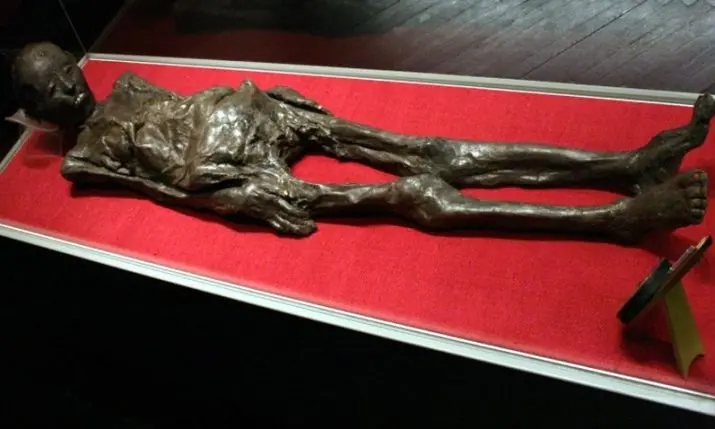
There's a good backstory too. The papyrus arrived in Zagreb in 1862, bought alongside the famous Zagreb Mummy — though dating research shows the two did not originally come from the same burial, so they were strangers paired by a 19th-century purchase. The papyrus survived only in fragments, which conservators have restored and reassembled for display.
It now joins two other heavyweight Egyptian pieces the museum is known for: the Zagreb Mummy itself and the Zagreb Linen Book, often cited as the longest Etruscan text ever found — which is wrapped, unusually, around an Egyptian mummy. Together they make the museum's Egyptian collection a genuine highlight of a Zagreb city break, not just a filler between coffee stops. Pair a visit with the nearby upper town, a stroll through Zrinjevac park, and lunch at one of the market halls, and you have a very solid culture-focused day.
For travellers, the takeaway is simple: this is now a permanent fixture, not a temporary show, so you don't need to plan a trip around specific dates. Anyone visiting Zagreb — whether you're passing through on a Balkan rail trip or basing yourself there for a longer Croatia itinerary — can drop in and see one of the oldest surviving religious texts in the region, free of the crowds you'd face for equivalent artefacts in London or Cairo.