A radio interview with a Kyrgyz migration official has put hard numbers on a problem affecting hundreds of thousands of people: as of early October 2024, more than 134,000 Kyrgyz citizens are barred from entering Russia.
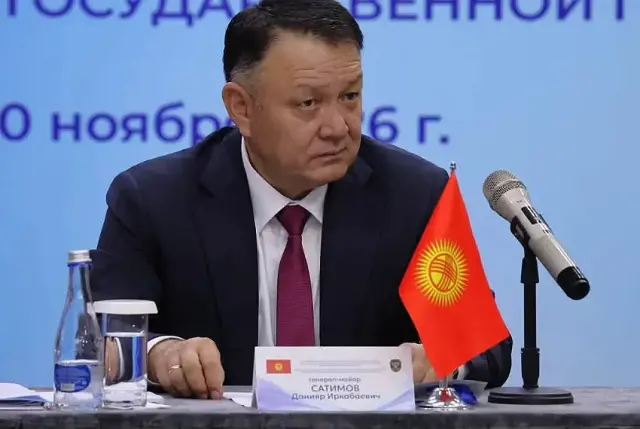
Erkinbek Karimov, who heads the Department for Migration Processes and Development Programs at Kyrgyzstan's Ministry of Labour, Social Security and Migration, gave the figures on Birinchi Radio. He explained that two separate systems are at work. The first is an entry ban — a straightforward prohibition on crossing the Russian border. The second is Russia's registry of controlled persons, which applies to foreign nationals placed under ongoing migration control measures rather than an outright ban. The two lists overlap, so the numbers cannot simply be added together. Around 80,000 Kyrgyzstanis were entered into the controlled-persons registry alone as of October 1, 2024.
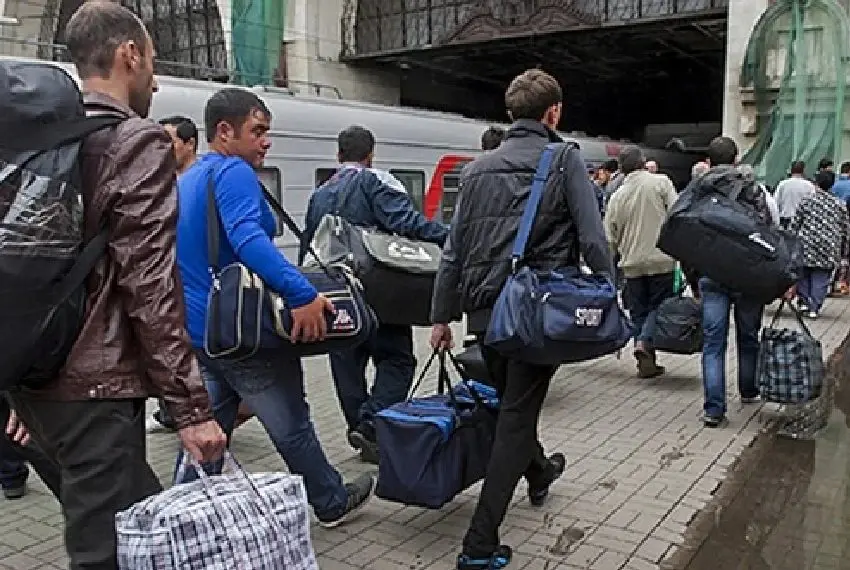
For context on the scale of movement between the two countries: Karimov said 584,484 Kyrgyz citizens were in Russia at the start of October, out of 837,812 Kyrgyz nationals abroad in total. Russia remains by far the largest destination for Kyrgyz labour migrants.
The interview also covered a widening of Russian enforcement powers. From November 3, 2024, the list of administrative offences that can trigger expulsion of foreign nationals has been expanded. Karimov cited petty hooliganism, refusing to comply with lawful demands from law enforcement, certain drug-related offences, and discrediting the Russian army as newly added grounds. He noted that neither his ministry nor its Moscow office had yet received inquiries from Kyrgyz nationals expelled specifically on these new grounds — though the rules were, at that point, only days old.
His advice to citizens working in or travelling to Russia was practical: keep migration paperwork current, sign formal employment contracts, and follow the laws of the host country. In the current environment, a minor administrative slip can snowball into an entry ban that lasts years.
Why does this matter to a travel audience? For most holidaymakers, Kyrgyzstan and Russia remain open to ordinary tourism, and short visa-free stays for many nationalities are unaffected. But for the large Central Asian diaspora community, for dual-country family visits, and for anyone combining travel with work in Russia, these figures show how much stricter the climate has become since 2024. Travellers heading to either country — particularly those with prior visa or registration infractions on record in Russia — would be wise to check their status before booking.