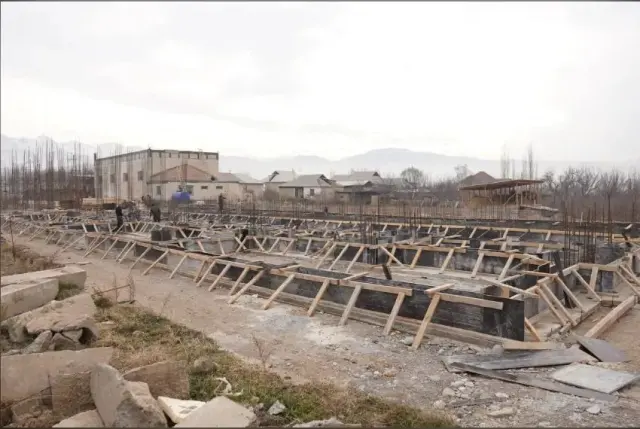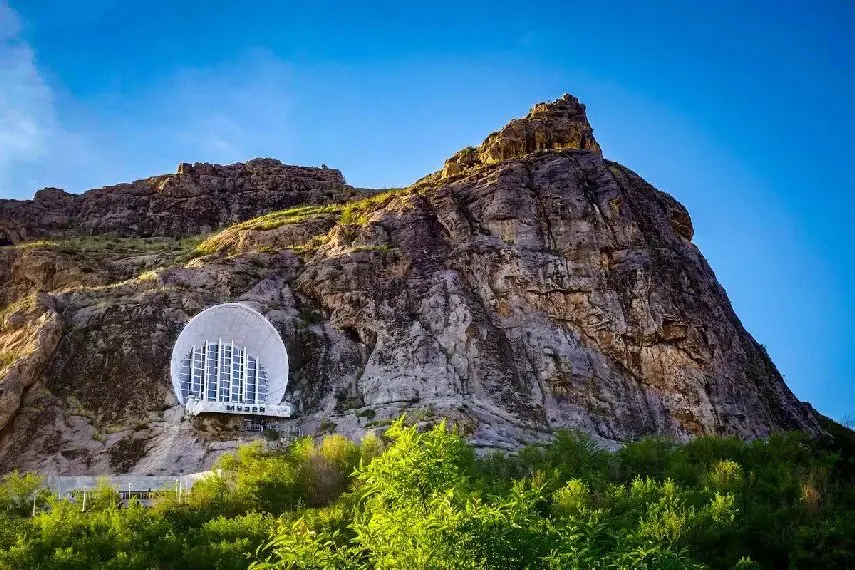
One of Central Asia's most important pilgrimage sites is temporarily off-limits. The Sulaiman-Too National Historical and Archaeological Museum Complex in Osh, southern Kyrgyzstan, closes to visitors from November 23 while a major reconstruction project gets underway.
The work is more than a paint job. Plans include a new lighting system, a full renovation of the museum that sits on the mountain, repairs to the pedestrian paths and roads winding around the site, and landscaping at the base of the hill, complete with ornamental tree planting. The project is funded by the World Bank, with a tender worth $12 million announced earlier by Culture Minister Mirbek Mambetaliev. The Community Development and Investment Agency (ARIS) is handling implementation.
Sulaiman-Too is no ordinary hill. Rising above Osh, it has been a place of worship for well over a thousand years, drawing Muslim pilgrims who come to pray at shrines and the small mosque perched near its summit. UNESCO added the whole mountain to its World Heritage list in 2009, calling it the most complete example of a sacred mountain in Central Asia. The museum built into its slopes holds artefacts from the region's long history along the Silk Road.
The closure has no stated end date, so anyone planning a trip to Osh in the coming months should check ahead before building the mountain into their itinerary. The museum administration has asked locals and visitors for patience while the work is carried out.
There is still plenty to do in Osh while the summit is off-limits. The city claims a history of some 3,000 years, and its sprawling Jayma Bazaar has traded along the Ak-Buura river for centuries. It remains one of the liveliest markets in the region, with rows of dried fruit, spices and bread sold from permanent stalls. Museums, mosques and Soviet-era monuments fill out the rest of a day or two in the city.
For travellers, the timing matters mainly if Osh is a stop on a longer route — many visitors pass through on their way to the Pamir Highway into Tajikistan, or as a gateway to the alpine lakes and nomadic summer pastures of southern Kyrgyzstan. If the reconstruction runs long, you may see scaffolding rather than pilgrims on the slopes. On the upside, fresh paths, lighting and landscaping should make the climb more pleasant once the site reopens, and a $12 million investment signals that the authorities take the mountain's condition seriously.
Until then, treat the closure as a prompt to explore the rest of Osh, or to shift your Sulaiman-Too plans to a later trip. Check with local tourism offices or the museum before travelling, since reopening dates for projects like this often slip.