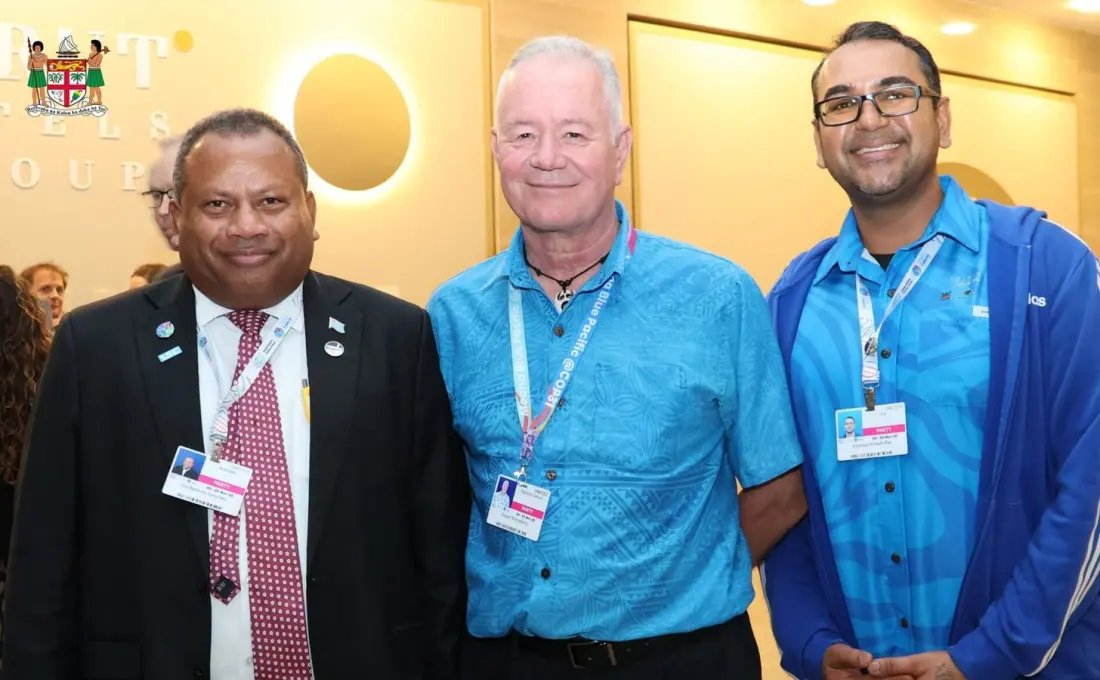
Fiji's Inia Seruiratu, serving as Ocean Envoy for the Pacific at COP31 in Antalya, Türkiye, has issued a blunt message to world leaders: stop treating the ocean as a side issue in climate negotiations. His argument is straightforward — for island nations whose food, culture and coastlines depend on the sea, there is no healthy planet without a healthy ocean, and every year of delay makes the eventual bill bigger.
Seruiratu's push is for the ocean to be woven through every strand of the UN climate framework, not parked in a standalone agenda item. That means finance, mitigation, adaptation, resilience and loss-and-damage funding should all account for ocean health, and he wants it reflected in the COP31 action agenda itself. Mainstreaming oceans across the UNFCCC's thematic areas would, in his words, be a major achievement for the Pacific.
The Pacific delegation isn't arriving empty-handed. Island nations are presenting practical, tested solutions they say other regions can scale up, and they're framing the region as a willing partner rather than a victim pleading for help. The broader case they're pressing at COP31 links ocean health directly to climate resilience, food security, livelihoods and the basic survival of coastal communities. Seruiratu's summary: move from dialogue to action, and do it now.
Why should a traveller care? Because the stakes are the destinations themselves. Low-lying nations like Fiji, Tuvalu, Kiribati and Vanuatu are among the most extraordinary places on earth to visit — reef diving, village-based tourism, some of the warmest welcomes you'll find anywhere. Rising seas, warming waters and coral bleaching threaten both the communities and the experiences travellers go for. When Pacific leaders say delays cost more, they mean coastline loss, damaged reefs and disrupted livelihoods that no amount of later funding can fully undo. Travellers who care about the places they visit have a stake in whether ocean protections get written into the core of climate policy — and tourism dollars, spent well, are one way visitors can support communities on the front line.
There's also a hopeful note here. The Pacific isn't asking for sympathy; it's offering solutions and partnerships. If COP31 delivers genuine ocean integration, the payoff isn't abstract diplomacy — it's healthier reefs, more resilient island economies and travel destinations that stay worth flying halfway around the world for. The message from Antalya is that the window for meaningful action is open, but it won't stay that way indefinitely.
Reported by Islands Business.