Travellers flying out of America's smaller cities could soon see more nonstop options, after the US Department of Transportation awarded close to $12 million to 14 regional airports to attract or restore commercial air service.
The money comes from the Small Community AirService Development Program (SCASDP), a federal fund designed to help less-served communities court airlines. It's a competitive pot: more than 60 applications came in from 32 states and territories, and only 14 projects made the cut. Most recipients will use the cash as revenue guarantees — essentially underwriting an airline's financial risk on a new or returning route — while others will fund marketing campaigns or air service studies. Nothing is guaranteed until an airline signs on, but the support makes launching a route far less risky for carriers.
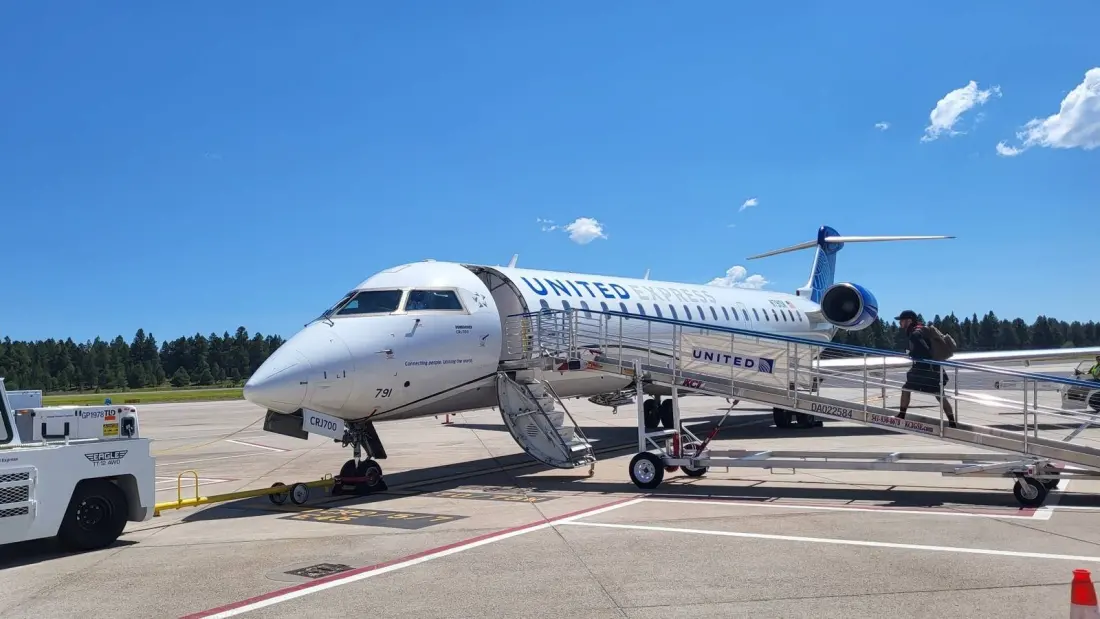
Tallahassee took the biggest slice, at $1.5 million, earmarked for reviving a nonstop link to Houston that was dropped in 2021, with United and SkyWest both offering letters of support. Elsewhere, Flagstaff wants $800,000 worth of revenue guarantees and marketing to establish flights to Denver or Salt Lake City, while Traverse City is aiming further afield — hoping to lure United into flying nonstop to Los Angeles or San Francisco. Mosinee in central Wisconsin is pushing to bring back regional service to Detroit, a route lost in 2022, again with SkyWest's backing.
Other winners include Cedar Rapids, Wichita, Baton Rouge and Jackson, each receiving $1 million, plus Grand Junction, Latrobe, Augusta, New Bern and Dutch Harbor in Alaska. At the modest end, Purdue University Airport in West Lafayette got $250,000 for marketing its existing United Express service to Chicago O'Hare — a route United only reinstated in 2024 after nearly two decades away.
So why should holidaymakers care? If you live near one of these airports, the grants could mean fewer drives to a distant hub and more direct options in the next couple of years. And even for visitors, better regional connectivity makes destinations like Florida's capital, Michigan's lake country, Arizona's high country and Alaska's Aleutians easier to reach without a multi-leg odyssey. The grants also tend to stabilise fares in smaller markets, where limited competition often means paying a premium. Timelines vary — revenue guarantees subsidise airlines for up to three years, while marketing awards run up to four — so don't expect new routes overnight, but the wheels are officially in motion.