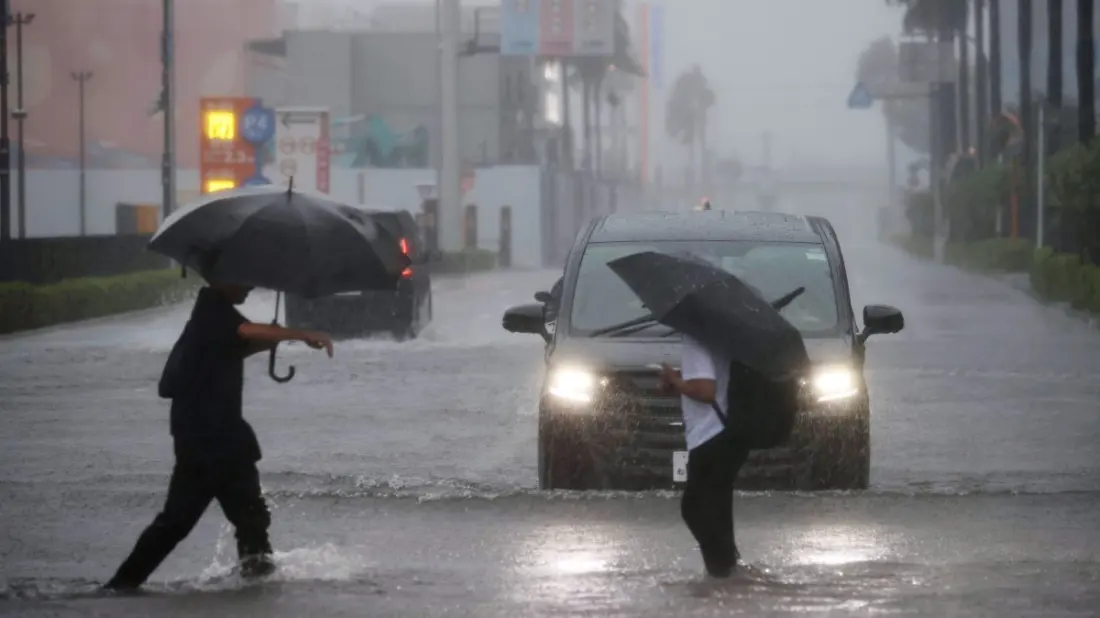
Typhoon Dujuan swept past Tokyo this week, killing two people and prompting evacuation advisories for more than 1.6 million residents in and around the capital. The storm has now moved northeast out to sea, but its aftermath — cancelled flights, suspended trains and flooding — is still affecting travel plans across the region.
The two deaths came from landslides in Chiba and Kanagawa prefectures, both close to Tokyo. Dujuan packed winds of around 144 km/h as it approached the coast, and forecasters warned that total rainfall through Tuesday could top the entire September monthly average — record territory even by Japan's stormy autumn standards.
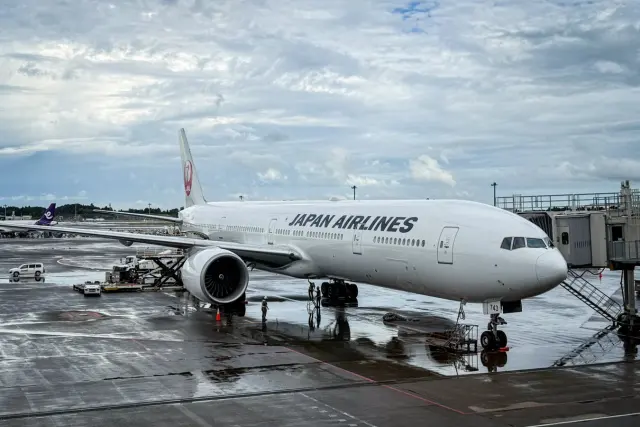
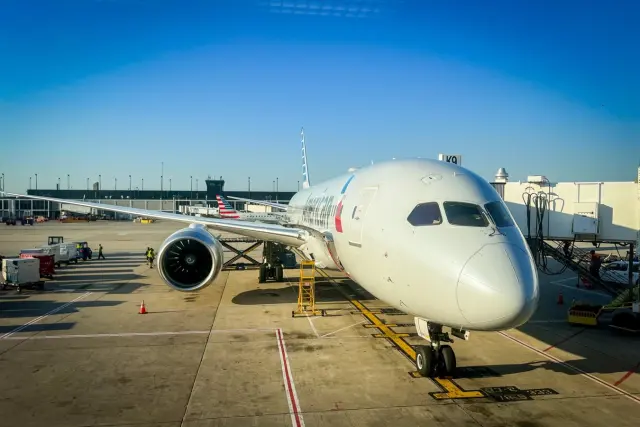
For anyone flying in or out, the numbers are significant: Japan Airlines scrapped 135 flights and All Nippon Airways cancelled 140. More than 9,000 households near Tokyo lost power, and railway operators suspended services on several lines in the capital and neighbouring areas. Landslide warnings covered Tokyo itself plus Chiba, Kanagawa and Shizuoka prefectures.
The storm also disrupted events. The Tokyo Game Show, one of the world's biggest video-game trade fairs, closed early on its final Monday, while an outdoor music festival and a baseball match in Chiba were called off. In the popular day-trip town of Kamakura, roads near the station flooded, with the city's mayor warning residents that driving was dangerous. Parts of Ichikawa, east of Tokyo, were also inundated.
Typhoon season in Japan runs roughly from late summer into autumn, and Dujuan is far from an outlier — other storms this season have already interfered with events at the Asian Games. If you're travelling to Japan between August and October, a typhoon disrupting your plans is a real possibility rather than a rare event.
The practical lessons: book refundable accommodation and flexible fares during typhoon season, keep an eye on Japan Meteorological Agency warnings a few days before you fly, and expect the biggest knock-on effects on domestic flights and regional trains rather than in the cities themselves. Note that Japanese evacuation advisories are not mandatory — officials strongly encourage residents and visitors to move, but compliance is voluntary, so travellers should act on warnings rather than wait. If a storm is approaching, avoid coastal towns and hillside areas like Kamakura or the Chiba coast, which are most exposed to flooding and landslides.
Dujuan has now weakened and moved offshore, so Tokyo is returning to normal. But with weeks of typhoon season still to come, it's a useful reminder to build some slack into any autumn itinerary in Japan — and to sort out travel insurance before you go, not after the warning is issued.
Reporting: Daily Sabah Travel