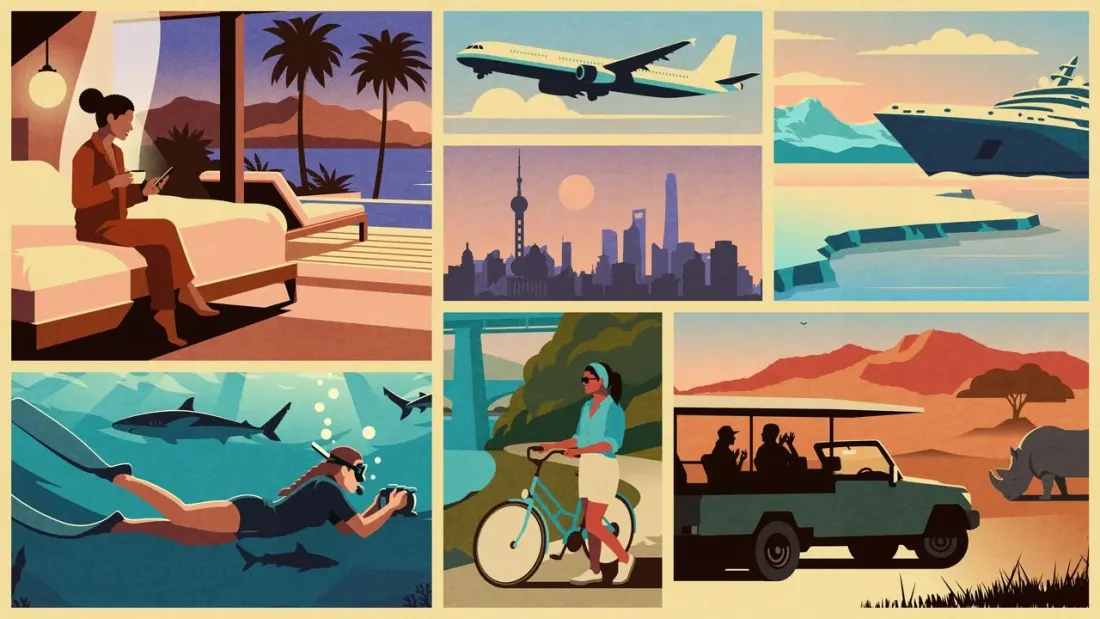
Condé Nast Traveler has announced its annual Bright Ideas in Travel list for 2026, and this year's edition drew more than 200 submissions from every continent before editors whittled the field down to 25 winners. The common thread: projects that prove meaningful travel is measured by impact, not stamps in a passport.
Judging was unusually concrete. Editors asked for hard numbers — CO2 emissions cut, kilos of food waste eliminated, funds raised, local jobs created — alongside whether a project genuinely enriches the experience of travel itself. The results span cruise ships, rail networks, grassroots campaigns and conservation schemes.
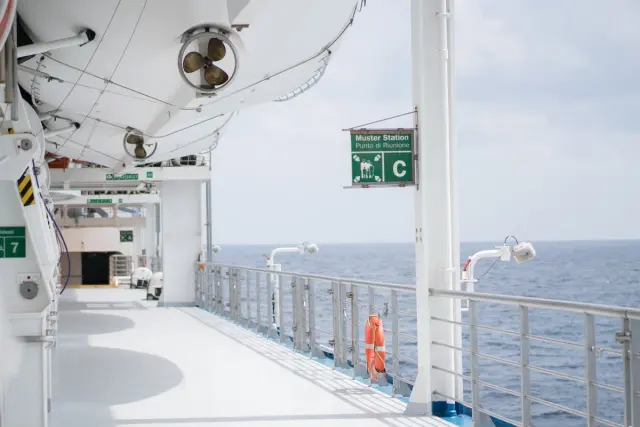
On the tech side, Viking Libra stands out: the world's first hydrogen-powered cruise ship, a 499-room vessel developed with Italian shipbuilder Fincantieri in a $50 million collaboration. Its hydrogen fuel cells produce up to six megawatts of power, emitting nothing but water vapour — enough to let it sail into Norway's World Heritage fjords. It makes its debut voyage in December 2026, and a sister ship, Viking Astrea, follows in 2027. Also on the list is Timeshifter, a jet-lag app built on research by Harvard neuroscientist Steven Lockley, whose circadian science has been used by NASA and Formula 1 teams. Of roughly 130,000 user surveys, 96.4% who followed its light, sleep and caffeine schedules reported no severe jet lag.
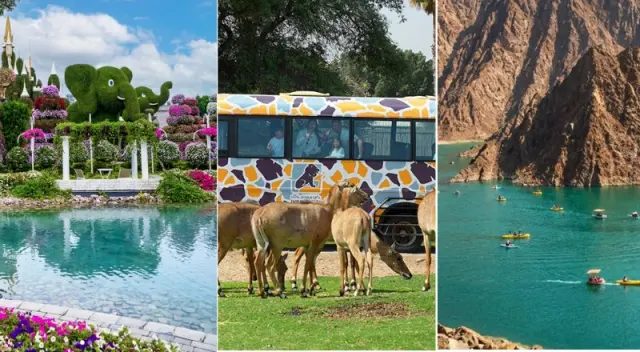
Rail and road get a look in too. Etihad Rail, the UAE's first passenger train, now links Abu Dhabi and Fujairah in under two hours, with Dubai and Sharjah stations opening from late September and speeds reaching 200 km/h — potentially cutting the country's road-sector CO2 by up to 21% a year. European Sleeper and Air New Zealand also made the cut.
Conservation and community projects feature heavily. The Jaguar Rivers Initiative, launched in September 2025 by four NGOs, is South America's first continental wildlife corridor, protecting a 965,000-square-mile stretch of the Paraná Basin across Argentina, Bolivia, Paraguay and Brazil, with about $42 million raised so far. In Indonesia, Project Hiu has converted around 80 shark fishermen into snorkel guides around Maringkik Island and East Lombok, deploying nine new shark tags this year. The Steppes Travel Fund for Female Guides has trained more than 160 women in countries such as Sri Lanka and Botswana, where women make up under 10% and 5% of guides respectively.
The list also honours inclusion efforts like SS Sign Language Tourism, Uganda's first Deaf-led tour company, and the Black Trans Travel Fund, alongside long-running operators such as Ted Turner Reserves in New Mexico, Shakti in the Indian Himalayas and Central America's Cayuga Collection.
For travellers, the list doubles as an inspiration board: it flags destinations and operators where your money actually does something — whether that's booking a wildlife stay in Argentina's Iberá Wetlands, snorkelling with blacktip reef sharks in Lombok, or simply sleeping through a night train across Europe. Details on all 25 winners are in the full list.