
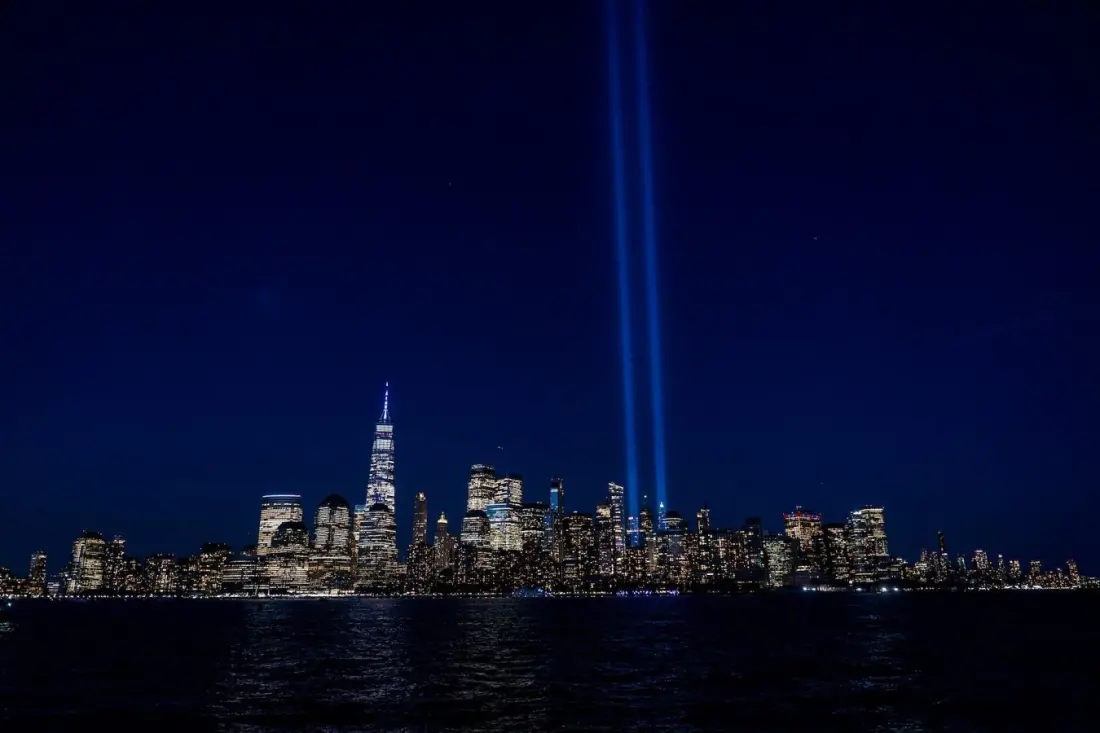
A quarter-century on, the September 11 attacks remain the single biggest turning point in modern air travel. On the day itself, US airspace shut down completely for the first time in history — and it has never happened since. What followed reshaped everything from the security line to the shape of the airline industry itself.
Security changed fastest. Gate areas became ticket-passengers-only, ending the era of greeting relatives at the jet bridge, and a newly created federal agency — the TSA — took over airport screening from private contractors. The rules kept stacking up as new threats emerged: Richard Reid's 2001 shoe bomb attempt gave us the shoe-removal ritual, a foiled 2006 liquid-explosives plot produced the 3-1-1 liquids rule, and the 2009 underwear bomber brought full-body scanners and more invasive pat-downs.
The flip side is the convenience programmes many travellers now rely on. Global Entry started as a small pilot at three airports in June 2008 and became permanent DHS policy in 2012. TSA PreCheck launched at Las Vegas' Harry Reid International Airport in December 2011, originally free for elite flyers, now a paid membership for faster screening. Even Real ID stems from 9/11 Commission recommendations, passed in 2005 to standardise state IDs — and today's Touchless ID, Clear and eGates are the latest chapter.
The financial fallout was just as profound. Demand collapsed almost overnight, and despite up to $15 billion in federal support, airlines reeled: Reagan National stayed closed for weeks, pushing US Airways toward bankruptcy (twice), Midway Airlines folded outright, and United, Delta and Northwest all restructured. A merger wave followed, and by the late 2010s four carriers — American, Delta, United and Southwest — controlled roughly 80% of the US market. Desperate for cash, airlines also began selling millions of miles to banks for cobranded credit cards, a revenue engine that still powers the industry today.
Above all, the human cost matters: nearly 3,000 people died, including 246 passengers and crew on the four hijacked flights — among them the 40 people on United Flight 93 who fought back and forced the plane down in Pennsylvania, saving others on the ground.
For anyone who flies today, this history explains nearly every quirk of the airport experience — why you take off your shoes, why your shampoo is limited to 100ml, and why your credit card earns airline miles. Twenty-five years later, the way we fly is, in many ways, a direct answer to that Tuesday morning.