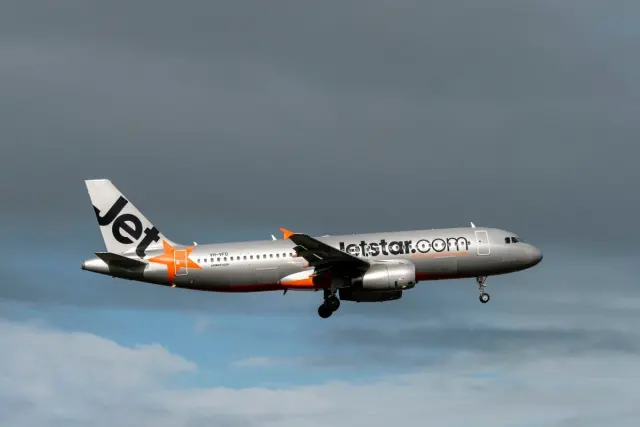
Bed bugs on a plane sounds like a bad joke, but Qantas just proved it can happen. On October 10, the airline cancelled a Perth to Rome flight after passengers on the same aircraft's previous trip reported being bitten mid-flight. One traveller told 9News the insects were found crawling over clothing, personal belongings, airline blankets and even the window. All the affected seats were in economy.
Qantas responded quickly: the aircraft was pulled from service for a deep clean, the roughly affected passengers were rebooked and put up in accommodation, and the airline apologised publicly. It also stressed that the problem was confined to a small number of economy seats and that its cabins are disinfected every 50 days as routine precaution.
This wasn't an isolated event in aviation. In March 2025, a US family filed claims against both Delta Air Lines and KLM after being bitten on a KLM flight from Atlanta to Amsterdam. Turkish Airlines also fielded multiple complaints from passengers reporting bed bugs on various long-haul routes over the past year.
So how do these pests end up at 35,000 feet? According to the CDC, it's simpler than you'd think — and it has nothing to do with cleanliness. Bed bugs exist worldwide, including in five-star hotels, and the agency is blunt on this point: how clean a place is does not determine whether they're present. Their flat bodies squeeze into tiny gaps, and they can survive long stretches without feeding. That means a bug hitching a ride in the seam of a suitcase, a folded jacket or an overnight bag can easily board a plane, sit quietly through the flight and emerge later.
The good news: bed bugs don't spread disease. The bad news: their bites itch, can disrupt sleep and occasionally trigger allergic reactions. For travellers, vigilance matters more than paranoia. Check mattress folds, sheets, headboards, bed frames and even dresser drawers for warning signs — shed exoskeletons, live insects or rusty-coloured blood spots. Catching an infestation early makes it far easier to deal with, both in hotel rooms and in your own luggage when you get home.
For flyers, the Qantas incident is a useful reminder rather than a reason to panic. Keep bags off hotel beds where possible, inspect your seat area on long-haul flights, and wash clothes on hot cycles after trips through regions with known outbreaks. Airlines, for their part, are increasingly on notice to prove their cabins are pest-free — and Qantas's swift cancellation shows carriers now take these reports seriously enough to ground an aircraft over them.
Nobody wants to think about insects while squeezed into an economy seat, but a little awareness goes a long way toward keeping your holiday — and your suitcase — bite-free.