There's a spot in South Africa's Northern Cape where the desert suddenly turns green. Kuruman, dubbed the Oasis of the Kalahari, exists because of one extraordinary feature: the Eye of Kuruman, a natural spring in the centre of town that pushes out roughly 20 million litres of water every day, rain or shine. Locals call it Gasegonyane — Setswana for a small water calabash with bubbling water — and it has sustained people, farms and wildlife here for generations.
A weekend is enough time to see how that single water source shaped everything around it. Start at the Eye itself, where clear water collects in a pool ringed by palms and gardens, a jarring contrast to the thornveld beyond town. Look for fish in the water and birds in the vegetation, and take your time — this is a place to wander rather than a quick photo stop.
From the spring, follow the story to the Moffat Mission, Kuruman's key heritage site. Missionaries Robert and Mary Moffat settled here in the 1820s among local Setswana-speaking communities, and the mission became a hub for language, education and printing. Robert Moffat translated the Bible into Tswana and printed copies on site — the historic cast-iron press is still there to see. The church, finished in 1838, was built for around 800 worshippers, and the shaded, garden-filled grounds feel a world away from the arid country outside.
Day two takes you much further back in time. Wonderwerk Cave, about 43 to 45km south of town, holds an archaeological record stretching over a million years: Stone Age tools, animal remains, engraved stones, evidence of controlled fire and later ochre rock art in its 140-metre length. It reframes the surrounding hills and scrub — this isn't empty scenery but a place people have adapted to for hundreds of thousands of years. Check tour arrangements before you set out, as access depends on the site's schedule.
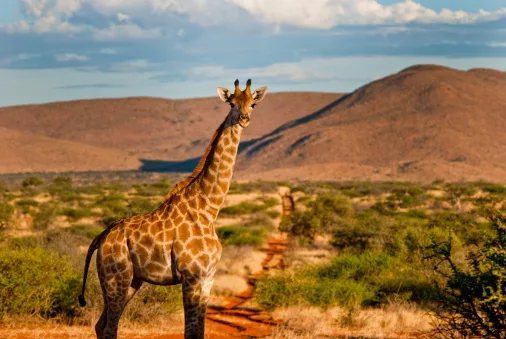
Leave room for the surroundings too. Birders can head to the Hotazel Road Bird Sanctuary and Nature Reserve north of town, while bigger wildlife destinations like Tswalu Kalahari Reserve lie further west. Nearby attractions in the Ga-Segonyana region include the Boesmansgat Sinkhole and local nature reserves, and Kuruman makes a sensible launch point for a longer Northern Cape drive taking in Kathu, Hotazel and the wider Kalahari.
Timing matters. Summers can be brutally hot, so the cooler months are easier — though winter nights get very cold, so pack layers alongside your sun protection and walking shoes. Once here, slow down: the real appeal of Kuruman isn't a packed itinerary but the contrast between the green pockets fed by the spring and the dry Kalahari all around. Two nights — one for the Eye, mission and town, one for Wonderwerk and the landscape — is the sweet spot.
For road-trippers crossing the Northern Cape, Kuruman is worth a deliberate detour. It's less about desert drama and more about understanding what water does to a dry place — and why this particular patch of green exists at all.