A Kenyan court has handed cult leader Paul Mackenzie a 200-year prison sentence for the deaths of 190 children starved or killed on his orders in Shakahola Forest, part of a tragedy that may eventually count more than 500 victims. Justice Diana Kavedza split the sentence evenly: 100 years for murder by starvation, 100 for direct homicide.
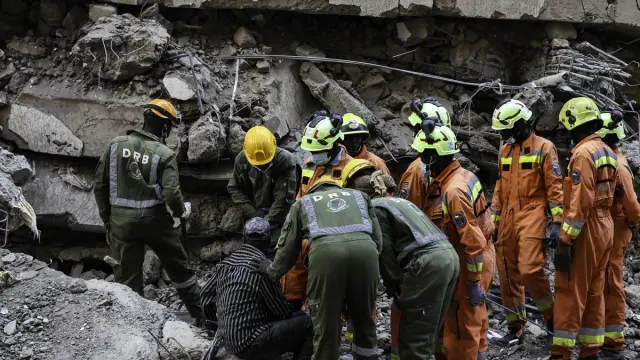
Mackenzie ran an apocalyptic Christian sect near Kenya's eastern coast and told followers to starve themselves and their children so they could enter heaven before the end of the world. Prosecutors said his lieutenants enforced this with beatings and threats. Investigators found emaciated bodies in shallow graves and latrines, some apparently buried alive. Twenty-eight accomplices got sentences between 10 and 160 years, though the defence says it will appeal.
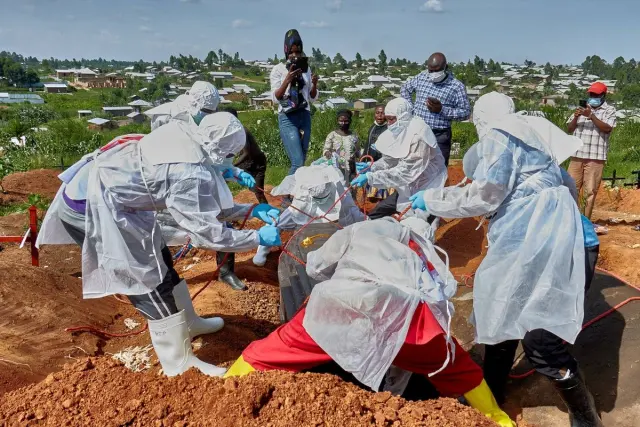
The case stunned Kenya in April 2023 when police began digging up bodies in Shakahola Forest near Malindi, a popular Indian Ocean beach town. Mackenzie had actually been on authorities' radar since 2017, and his Malindi church was shut down in 2019 — he simply moved to the forest and continued. The Kenya National Commission on Human Rights ultimately counted 448 bodies in the forest, and Mackenzie faces separate charges over 52 more deaths found in a village 30 kilometres away.
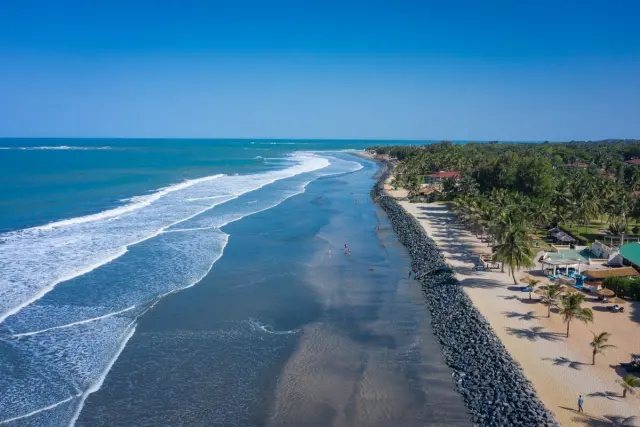
For anyone who has visited Kenya's coast, the geography is chillingly familiar. Malindi draws European holidaymakers with its beaches, Swahili ruins and proximity to Watamu's marine park. The cult's forest hideout lay just inland from that tourist strip, and families from ordinary coastal communities were its victims. Survivors who spoke outside the court made the human cost plain: one father lost six children, another is still searching for his wife and six kids. Critics, including human rights groups and the judge herself, say local administrators, police and intelligence officers ignored repeated warning signs — and parliamentary proposals to tighten oversight of religious groups still haven't become law.
The scale invites grim comparisons: the 2000 Ugandan doomsday cult killings that took over 700 lives, and Jonestown in Guyana in 1978, where more than 900 died.
Why does this matter to travellers? Kenya's coast remains a welcoming, well-visited holiday region, and the mainstream tourist areas were never directly affected. But the case is a reminder that just beyond the resort zones, vulnerable communities can fall under the sway of charismatic figures — and that a country still reckoning with institutional failures is one worth understanding, not just sunbathing in. If you're headed to Malindi or Watamu, knowing the local context — and supporting community initiatives there — makes for a more thoughtful trip.