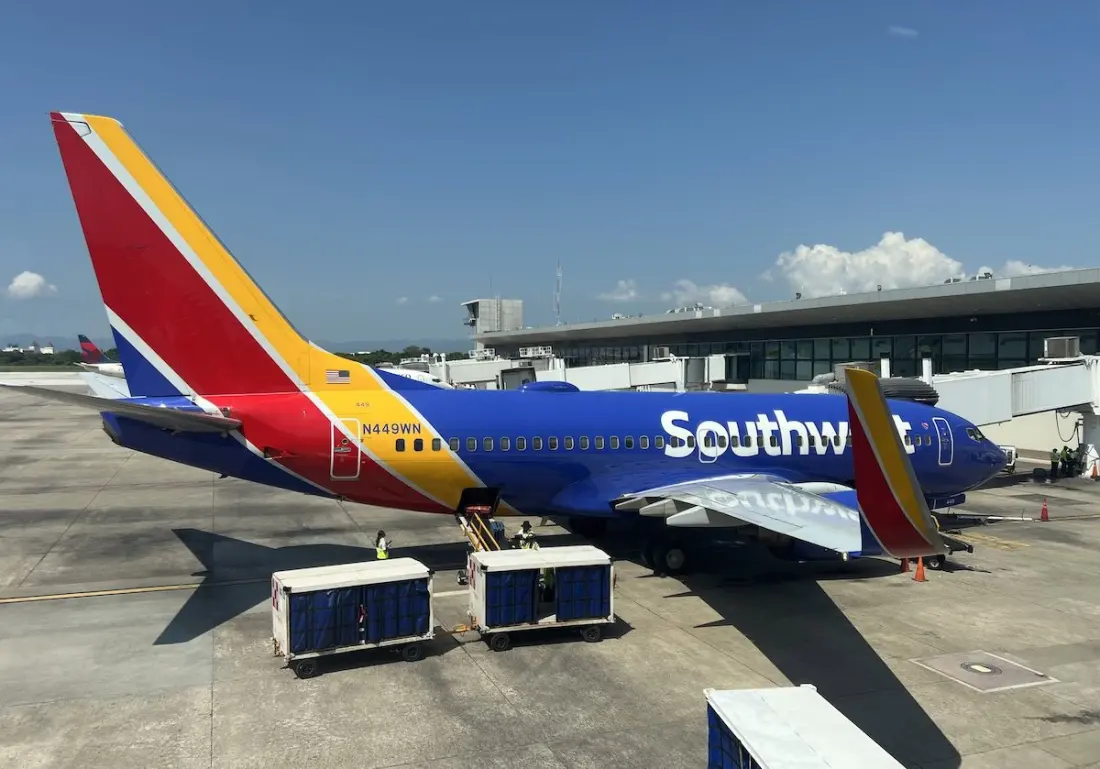
A routine taxi at New York LaGuardia turned into an on-air showdown. Shortly after 7PM on Tuesday, November 3, 2026, a Southwest Boeing 737-800 bound for Dallas Love Field was cleared to taxi to runway 13 and told to give way to an Embraer E170 off its left. The pilots read back the instructions correctly, then promptly cut off the Embraer anyway — apparently confusing it with a Delta aircraft nearby.
What followed is what has people talking. Rather than quietly noting the error, the controller halted ground traffic to interrogate the crew, issued a phone number for a possible pilot deviation, and then broadcast on frequency that Southwest "looks like just decided to do whatever they want." The exchange, captured on ATC audio, makes for uncomfortable listening on both sides.
The pilots clearly messed up: cutting off another aircraft is a safety issue, no matter how busy the ramp. But there's a plausible explanation for how it happened. The controller's instruction bundled the give-way warning after the runway assignment — "runway 13, give way to an E170 off the left, taxi via L, B, G, hold short of runway 22" — leaving it ambiguous exactly where that Embraer would appear. A cleaner phrasing would put the taxi route first, then pinpoint the traffic: taxi via L, B, G, hold short of runway 22, give way to the Delta-painted E170 on your left.
The more interesting comparison is with a similar incident at Boston Logan a few weeks earlier, when an Etihad 787 entered a runway without clearance and forced a go-around — arguably the more serious event. The Boston controller kept traffic moving, issued the deviation number, and stayed professional throughout. LaGuardia's controller, by contrast, appeared to relish the chance to win an argument on frequency.
Why should flyers care? Because radio discipline and clear controller phrasing are a real part of airport safety and efficiency. When a controller stops traffic to score points, everyone on the ground waits longer — and pilots who feel ambushed may be less forthcoming about mistakes, which is exactly how small errors compound. Aviation safety culture generally works best when errors get reported and handled off frequency, not litigated in front of a full departure queue.
The Southwest crew now faces a possible pilot deviation investigation; the controller's handling is drawing its own criticism from aviation watchers. For travellers passing through LaGuardia — already one of the country's most stressful airports — it's a reminder that even a straightforward taxi in the New York area happens under intense pressure on both ends of the radio.