Hottest summer on record in France. Flash floods in Nepal. Drought in Panama. As weather patterns wobble, the old rulebook of when to go where is being torn up — and destinations are responding in real time.
France's national weather agency Météo-France logged the country's hottest summer since records began in 1900, and even Brittany hit 42.5°C. With only about a quarter of French households owning air conditioning (versus roughly half in Spain and Italy), heatwaves are a serious local problem — and travellers took notice. Google Trends shows UK searches for "alpine summer" up 82 percent year on year, and mountain towns are leaning in. La Clusaz in Haute-Savoie now runs a July yoga festival, and rentals like Chalet Sisar open only in summer, when winter access is too difficult anyway. At Arc 1600, the lowest of the Les Arcs resorts, weekly architecture tours celebrate Charlotte Perriand's designs — including the La Cascade apartment building — and their attendance split tells the story: in 2024, 75 percent of visitors came in winter; by 2025, summer share had climbed to 40 percent.
Some places are actively manufacturing new seasons. Menorca, a UNESCO Biosphere Reserve where residents marched giant ant puppets through the capital Maó in June 2026 to protest overcrowding and water strain, launched an arts festival called Opening Menorca this April to pull visitors into spring. It worked: the Balearic Statistics Institute recorded 97,569 arrivals that month, 15 percent more than April 2025.
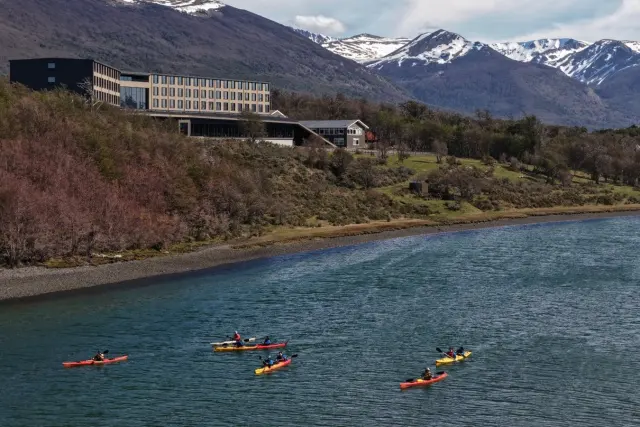
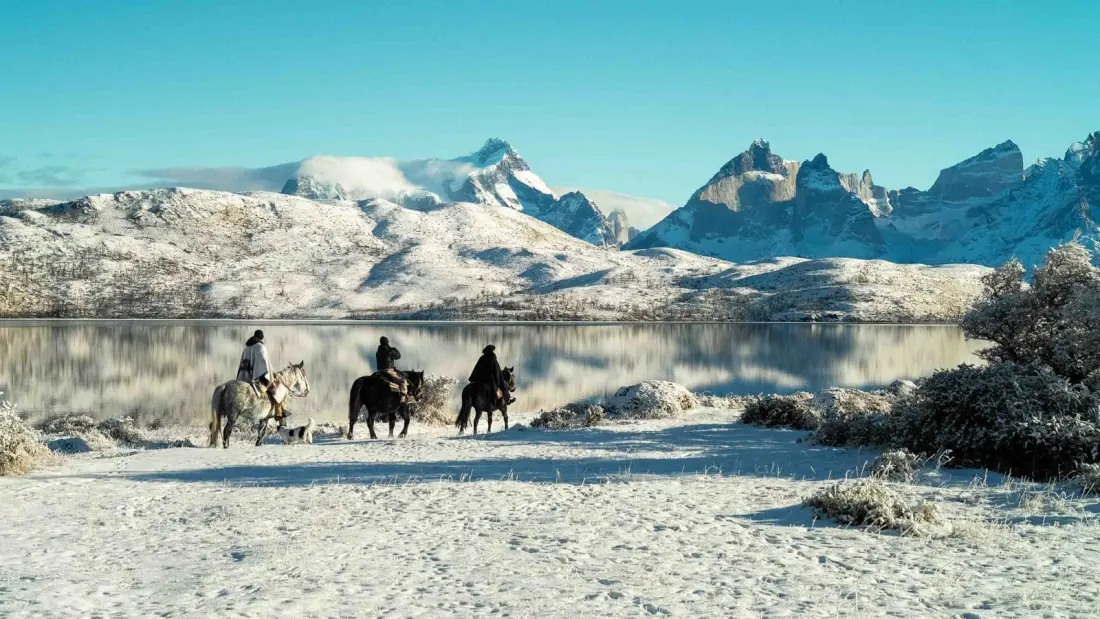
In Patagonia, luxury lodge Awasi Patagonia is staying open year-round for the first time, thanks to milder, drier winters. Management reports winter is actually the calmer season — less wind, daylight from 9am to 7pm, and the best puma-spotting of the year, with dark fur easy to spot against snow. One wrinkle: some staff, used to having five months off, weren't thrilled about year-round employment.
And the Arctic is booming. Hurtigruten added two new Svalbard itineraries in 2026 after a 40 percent year-to-date jump in interest from North American travellers, while Aqua Expeditions launched its first cold-climate expedition and Aurora Expeditions deployed a new small ship, MV Douglas Mawson. Norway, though, is managing the influx carefully: since January 2025, cruise ships calling at Svalbard are capped at 200 passengers and limited to 43 designated landing sites — spreading spending through local guides and museums while protecting walrus haul-outs and fragile tundra.
For travellers, the takeaway is practical: peak season is no longer a fixed thing. Shoulder months can mean better weather than you'd expect, thinner crowds, and money flowing to communities that need it spread across the year. As Menorca's protest made clear, locals increasingly want a say in when — and how many — visitors arrive. Picking April over August, or the Alps over a scorched beach, is now as much about ethics as comfort.