A guest at the Residence Inn L.A. LIVE in downtown Los Angeles says their 2024 Subaru Outback came back from valet parking with roughly $15,000 in damage — broadsided while being parked, then left sitting on its rims in the hotel driveway. Nobody from the hotel called or texted to flag it. The guest found the wrecked car themselves.
What followed, according to the guest's account shared on Reddit, reads like a masterclass in deflecting responsibility. The hotel pointed at its valet contractor; the valet company pointed at the other driver involved. Neither would share the valet driver's name. The hotel had entrance security cameras but declined to release footage to the guest. It took six hours — and, the guest says, making a scene — to get a manager to appear. An incident report arrived the next day. The compensation offer? A free drink, plus advice to tow the car off the property. Follow-ups with Marriott corporate went nowhere, per the guest.
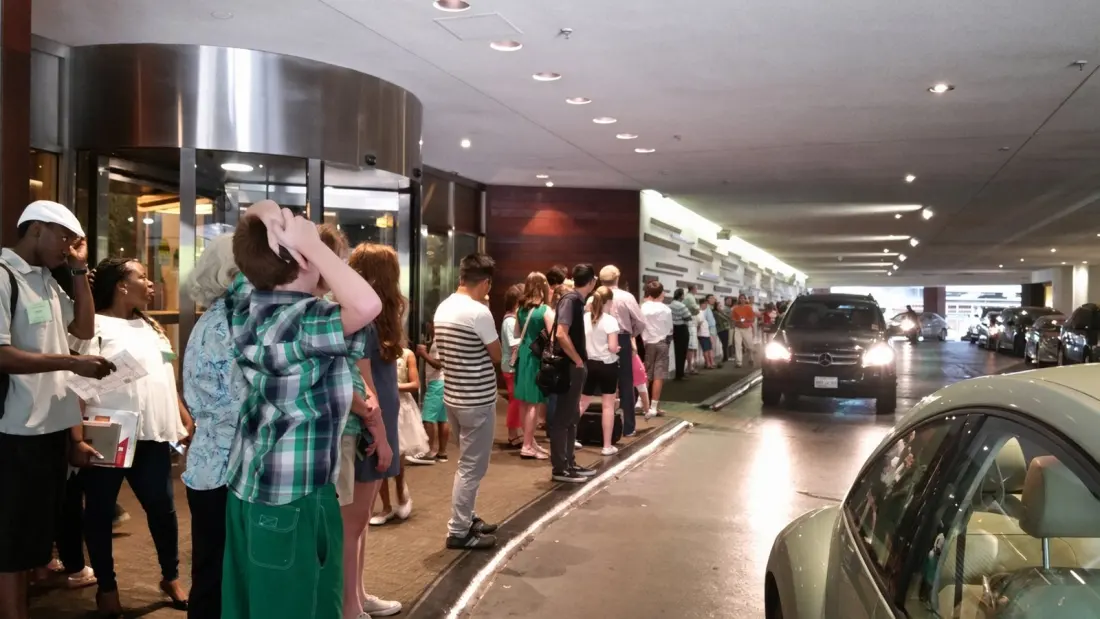
The valet here isn't cheap, either: Marriott's site advertises $62–$82 per day at this property. When you're paying that kind of money, handing over your keys creates what lawyers call a bailment — a legal entrusting of your property to someone else's care. In California, a paid custodian owes ordinary care, and importantly, the hotel can't hide behind its contractor. Whether it presented the valet as acting on its behalf matters, and a 'not responsible' line on a claim ticket doesn't automatically end a claim under state law.
For travellers, the practical lessons are worth more than the outrage. If valet damage happens: photograph everything before the car leaves the property, keep the valet ticket and hotel bill, and get the valet company's legal name, claims contact, and incident number in writing. Ask the hotel and valet operator to preserve camera footage and records. Notify your own insurer promptly — collision coverage can get the car repaired now, with your insurer chasing whoever's liable (your deductible should be included in that recovery). Remember that losses can include towing, storage, and loss of use, and that California's small claims limit for individuals is $12,500 if escalation becomes necessary.
Contrast this with how it should work. At the Jefferson Hotel in Richmond, the author describes a valet door ding handled the old-fashioned way: a manager called security, they assessed the fresh damage, took responsibility, and a $175 repair check arrived without argument. A Thompson Houston property, facing a guest locked out of a rental car by a jammed key safe, reimbursed the Uber, retrieved the car, and waived valet fees. Neither incident was pleasant; both were resolved like the hotel actually wanted the guest back.
The stakes go beyond dings, too. The author catalogues a Conrad Orlando valet caught on dashcam flogging a guest's Escalade-V, a Pendry Baltimore valet who allegedly took a guest's Audi RS7 to a car meet and reported it carjacked, and a Homewood Suites Austin case where a stranger talked her way into someone else's car entirely. His baseline rule is a reasonable one for any hotel: if valet can't return your car within 15 minutes, they shouldn't be charging for it. If you're driving to a hotel and considering valet, it may be worth asking who operates it, photographing your car at drop-off, and checking whether self-parking exists as an alternative.