The person most likely to end up in an outdoor emergency isn't a backcountry mountaineer — it's the casual day hiker with almost no gear. That's the stat that kicked off a one-day critical survival skills course run by field instructor Adam Mayfield at the Thomas Coyne Survival School, and the takeaway list is refreshingly compact. Everything below fits in a small pack, and a multi-tool like a Leatherman is the baseline item to carry always.
Fire came first, for a good reason: exposure is the number one killer in the outdoors. Rather than fumbling with friction methods that even experienced survivalists struggle with, the instructors push reliable starters — Weber grill starter cubes ($24), which crush into an instant fire burning for over ten minutes, paired with UCO stormproof matches ($18) that relight even after being dunked in water. A flame keeps you warm, boils water, cooks food and doubles as a rescue signal.
Signalling, according to founder Thomas Coyne, is the skill he wishes more hikers knew. His logic is simple: if things go wrong far from help, you want search and rescue started immediately — and that means being visible from the air as well as the ground, day or night. The kit here is cheap and light. A SOL emergency whistle, blown in bursts of three (the international distress signal), a Coghlan's featherweight signal mirror from about $5, and a few feet of Irwin flagging tape ($2.40) wrapped around your knife handle, shaped into triangles with sticks so low-flying search planes can spot them. Orion handheld flares ($39 for a four-pack) cover the night, though they're single-use.
Water is the third pillar. The course taught students to spot riparian zones by indicator plants like watercress and yucca — but finding water is only half the problem, since bacteria and viruses can cause diarrhoea and rapid dehydration, the last thing you need in a crisis. The recommended setup: a Sawyer Squeeze filtration system ($45.99), a single-wall stainless Klean Kanteen ($68) that can go directly over a flame to boil water (with a luggage strap turning it into a makeshift carry bag), and Aquatabs purification tablets ($12 for 30) to cover viruses that filters miss.
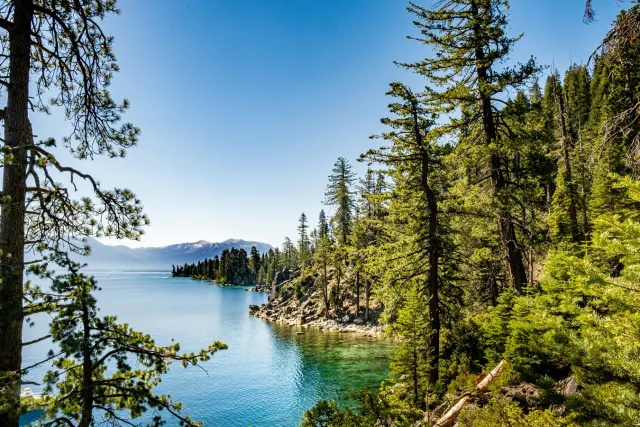
Why should a regular holiday hiker care? Because this isn't expedition gear. It's roughly $150 of lightweight items that slip into a daypack and cover the three things that actually kill or strand people: cold, invisibility to rescuers, and unsafe water. None of it helps, though, unless you practise — the course stressed learning the rule-of-three signals and testing your fire starters before you ever need them. Whether you're hiking the Sierra, the Dolomites or your local hills, this is the kit worth assembling before your next trailhead.