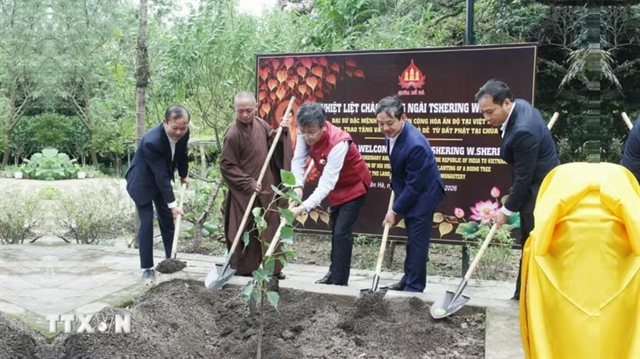
On 9 November, India's Ambassador to Vietnam, Tshering W. Sherpa, planted a Bodhi tree at Bổ Đà Pagoda in Bắc Ninh City — a gesture marking the deep Buddhist and cultural links between the two countries, and a timely spotlight on one of Vietnam's newest World Heritage sites.
The pagoda itself deserves the attention. First built under the Lý Dynasty (1009-1225) and expanded in 1720, Bổ Đà stands in Vân Hà Ward and follows a rare layout described as "open inside, closed outside". The complex includes Tứ Ân Pagoda, Tam Đức Hermitage, Cao Pagoda and an ancient tower garden regarded as the largest of its kind in Vietnam. It also safeguards 1,935 Buddhist woodblocks of the Lâm Tế Zen sect — designated national treasures — and was named a special national relic in 2016. In 2025 it became part of the Yên Tử-Vĩnh Nghiêm-Côn Sơn-Kiếp Bạc Complex, newly inscribed on UNESCO's World Heritage List.
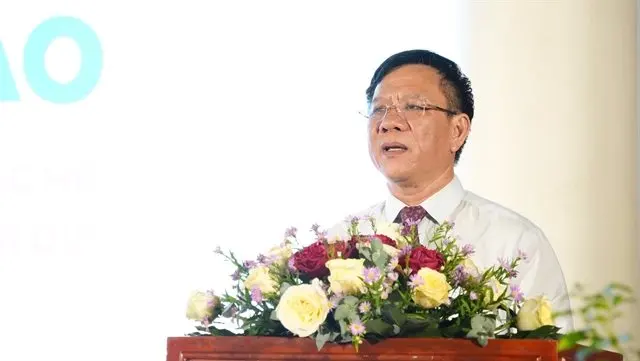
For Ambassador Sherpa, the tree symbolises a friendship built on shared religious and artistic foundations. She flagged Vietnam and India's upgraded Enhanced Comprehensive Strategic Partnership and pointed to 2027, the 55th anniversary of diplomatic relations, expressing hope for more heritage and Buddhist exchanges involving the pagoda and the city. Local officials, including Vice Chairman Đào Thanh Trường, welcomed the gift and signalled a wish to broaden cooperation with India across tourism, education, healthcare and pharmaceuticals.
There was a cultural flourish too: delegates exchanged gifts — an agarwood Buddha painting for the ambassador, a commemorative Buddha statue for local leaders — and performances of ca trù ceremonial singing and Bắc Ninh's quan họ folk songs brought the Kinh Bắc region's traditions to life.
Why should travellers care? The ceremony puts Bổ Đà on the map just as its UNESCO listing lands, yet it remains far less crowded than Vietnam's headline pagodas. Bắc Ninh is an easy day trip from Hanoi, and the surrounding Kinh Bắc region pairs heritage architecture with living folk culture — few places let you hear quan họ sung where it originated. With India-Vietnam cultural exchanges set to increase through 2027, expect more events and possibly better access and signage at sites like this. Anyone chasing Vietnam's Buddhist heritage beyond the usual Hue and Hoi An circuit now has a compelling new anchor point.