Jet fuel prices jumped more than 120% in 2026 after the Strait of Hormuz closed on February 28, pulling roughly 10 million barrels of crude per day out of the global market — about a tenth of world consumption. By early April jet fuel hit $1,838 per tonne, and a shortage of refined product pushed refining margins from $15–20 to $50–80 per barrel. The result: airlines everywhere are cancelling flights not because passengers have stopped booking, but because full planes on thin-margin routes no longer make money.
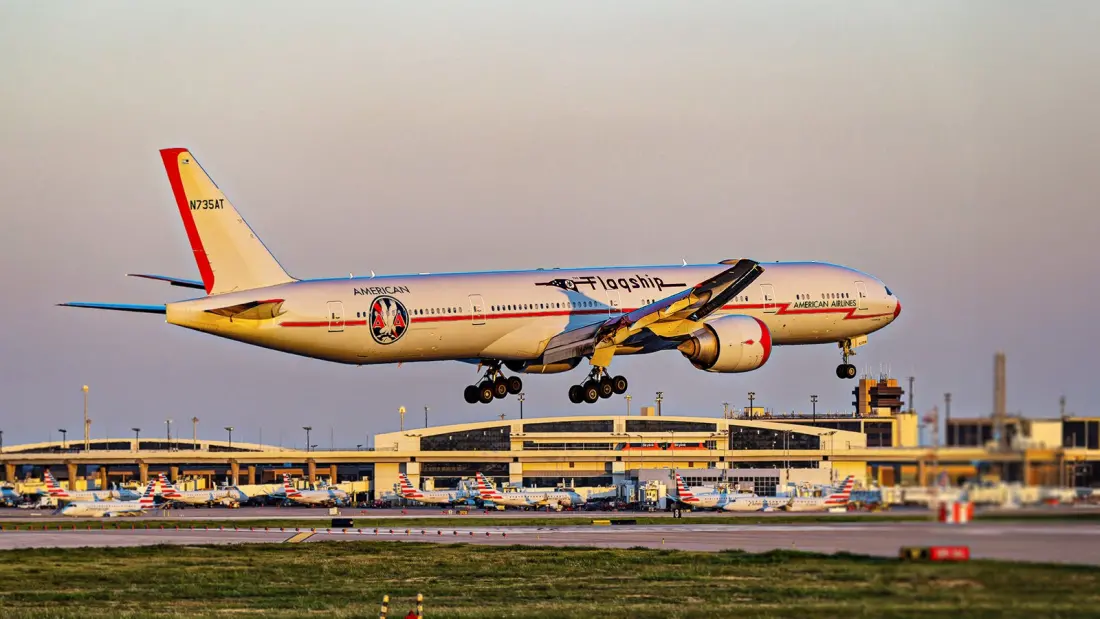
The scale is striking. IATA warns the shock could roughly halve global airline profits in 2026, even as passenger numbers head toward 5.2 billion. American Airlines says its fourth-quarter fuel bill will run about $1 billion over plan, and CEO Robert Isom has flagged further capacity cuts. United has trimmed roughly 5% of capacity, faces up to $6 billion in extra fuel costs this year, and its CEO Scott Kirby believes oil could stay above $100 a barrel into 2027. Delta cut about 3.5 points of capacity from cities including Detroit, Boston and New York JFK, Alaska suspended its full-year guidance on $600 million of added costs, and Southwest's second-quarter fuel spend jumped nearly $900 million year over year.
It's not just a US story. Air Canada dropped JFK routes from Toronto and Montreal, Korean Air entered emergency management mode, Asiana pulled 22 flights, Cathay and HK Express trimmed capacity, and Qantas cut about five points from domestic flying. In Europe, Air France-KLM expects a $9.3 billion fuel bill — $2.4 billion over plan — and Ryanair warned unit costs could rise 5% despite hedging most of its fuel at around $67 per barrel. easyJet took a surprise £25 million hit and added £2–3 to minimum fares.
Why the uneven pain? Hedging. Lufthansa had locked in 86% of its 2026 fuel, Qantas 85% into early 2027, and Air France-KLM 67% — while most US carriers, which abandoned hedging years ago, are exposed to every dollar of the spike. Fleet age, network mix and the ability to raise premium fares all matter too. Spirit, already financially fragile, has little room to absorb anything.
For travellers, this means fewer frequencies and fewer marginal routes even on popular-sounding routes, with airlines concentrating aircraft on premium-heavy markets where fares hold up. Expect higher prices, especially once current hedges roll off. The longer-term silver lining: the crisis is accelerating interest in fuel-efficient jets like the A320neo and 787, plus hydrogen, hybrid-electric and SAF programmes — though none of that helps with this year's timetable.
If you're booking long-haul for late 2026, book earlier rather than later, watch for quiet route suspensions (always check whether a connecting itinerary relies on a single daily flight), and consider carriers with strong hedge books or newer fleets, which may hold fares steadier.