The European Commission has revealed the sixteen cities in the running to become European Capital of Tourism 2027, and the list is a handy travel inspiration cheat sheet. For the first time, the two separate titles the EU has awarded in recent years — European Capital of Smart Tourism and Green Pioneer of Smart Tourism — are being merged into a single competition, with two winners to be crowned as part of World Tourism Day 2027 celebrations.
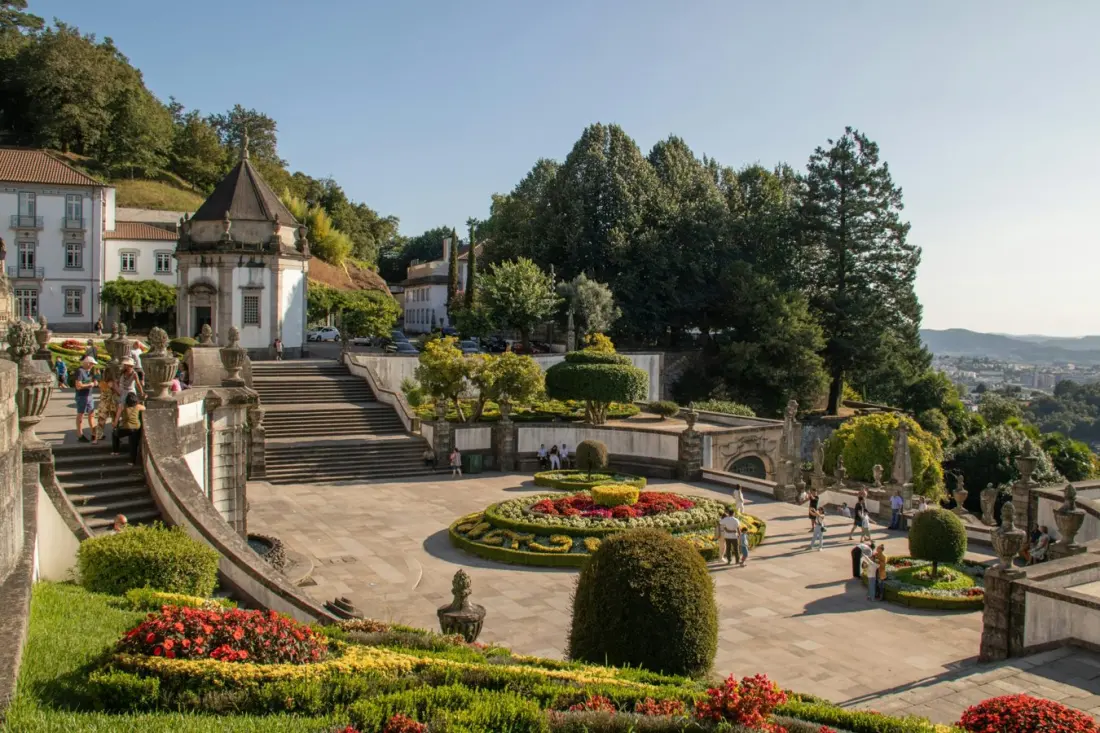
The candidates are split into two categories. Among larger cities (over 100,000 residents), the eight finalists are Aalborg in Denmark, Braga in Portugal, Genoa in Italy, Konya in Türkiye, Ljubljana in Slovenia, Lviv in Ukraine, Salzburg in Austria and Sofia in Bulgaria. They beat out competition from 43 applicant cities across 18 countries — the list was actually expanded from four to eight because the expert evaluators found too many ties and too much quality at the top end.
In the smaller-city category (25,000 to 100,000 residents), 40 cities from 17 countries applied, and eight made the cut: Calais in France, Calvià and Ibiza in Spain, Geestland in Germany, Nova Gorica in Slovenia, Sandanski in Bulgaria, Selçuk in Türkiye and Zadar in Croatia.
Selections were made by independent experts rather than marketing teams, and the criteria say a lot about where European city tourism is heading. Applicants were scored on sustainability, accessibility, digitalisation and how well they support cultural heritage, creativity and local talent — with concrete, measurable results valued far more than glossy promises. Sofia's tourism chief Anton Penev told news agency Novinite that the nomination amounted to an external audit of the whole city's tourism ecosystem, based on data rather than campaigns. The competition was open to EU cities plus non-EU countries taking part in the EU's Single Market Programme, which explains the presence of Türkiye and Ukraine.
The shortlisted cities get to pitch to a European jury in Brussels on 18 and 19 November 2026, after which two winners will be named. Winners typically enjoy a visibility boost, funding-linked events and a year in the spotlight as a showcase for smart tourism practices that other destinations can copy.
Why should a traveller care? Because this shortlist is essentially a curated list of mid-sized European cities investing seriously in greener, more accessible and more visitor-friendly tourism — the kind of places where your tourist euro tends to do more good and the experience is less crowded than the usual capitals. Lviv's inclusion is particularly striking given the circumstances, and Zadar, Braga and Ljubljana have long been underrated picks worth a trip regardless of who wins.