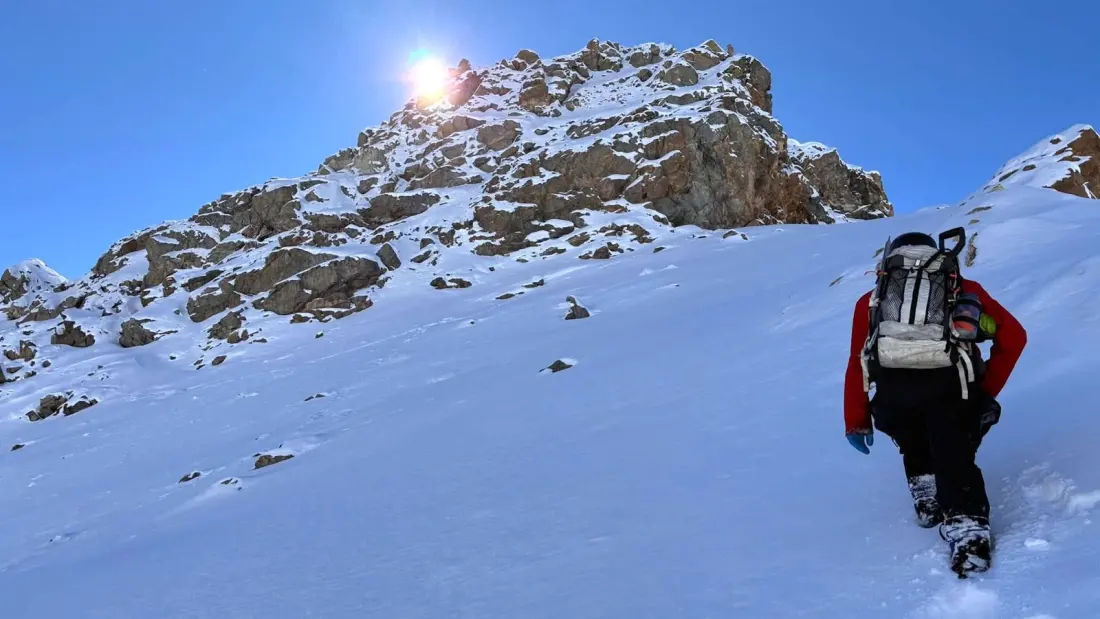
The deaths of two Colorado Mountain College students in late October have put a spotlight on the risks young people take in the backcountry. Kaden Matsuda, 19, and Jackson Donlon, 20, died descending West Apostle Mountain near Leadville when their climbing anchor failed — and investigators noted the pair had taken extensive precautions. They weren't alone in bad luck this year: a 21-year-old from the University of Cincinnati's Mountaineering Club died crossing a stream in West Virginia, a 19-year-old fell to his death hiking in Yosemite in September, and rescues involving college groups piled up in Kentucky, New Hampshire, Utah and Vermont over the past year.
The pattern has wilderness professionals asking a blunt question: are student outdoor clubs preparing their members well enough? Andy Millick of Sharp End Rescue says many young people simply lack access to the basics — packing properly, reading maps, watching weather — before heading into terrain that punishes inexperience. He saw it firsthand in October, when he helped rescue a hypothermic 19-year-old on Vermont's Long Trail during a student-led outing. The group did everything right: insulation, body heat, sleeping pads, a call to a faculty advisor and 911. What really mattered, Millick says, was that the trip leader held a Wilderness First Responder certification, an 80-hour course covering backcountry survival skills.
Some clubs are already tightening up. Penn State's Outing Club was shut down by the university in 2018 over safety concerns, then reinstated with new rules: trips require a quota of Wilderness First Aid-certified members, detailed hazard plans are peer-reviewed before departure, and post-trip reports capture lessons learned — down to the student who wore shorts through thorny overgrowth. Not everyone loves the constraints; some members miss the climbing expeditions of the past. But club president Zach Waksmonski, 19, says the framework turns potential disasters into minor inconveniences.
Experts like Jan Hackett, who once ran Duke's outdoor programs, argue wilderness first aid should be a minimum requirement for anyone leading a trip — not to scare students off, but to build the judgment that only experience (or good training) provides. For anyone joining or running a club outing, the takeaways are simple: test your gear beforehand, study the terrain and forecast, tell someone your plan, and run through what-if scenarios — water sources, fire-starting options, contingency plans if you're out longer than expected. The line between a great student adventure and a rescue call, it turns out, is mostly preparation.