October is peak trekking season in Nepal, and the 2026 numbers came in with a twist. Foreign arrivals hit 132,814 for the month, up 3.5% on the previous October — respectable, given the flood and storm coverage that dominated headlines beforehand. The bigger story is who showed up: American arrivals jumped 30% year on year, and for that month US visitors actually outnumbered Indian tourists, historically Nepal's largest source market. Indian arrivals fell by roughly the same 30% margin, so the two trends mirrored each other neatly. Canadian numbers climbed alongside the American surge, pointing to a broader North American boom. Across the first ten months of 2026, Nepal welcomed a total of one million foreign visitors.
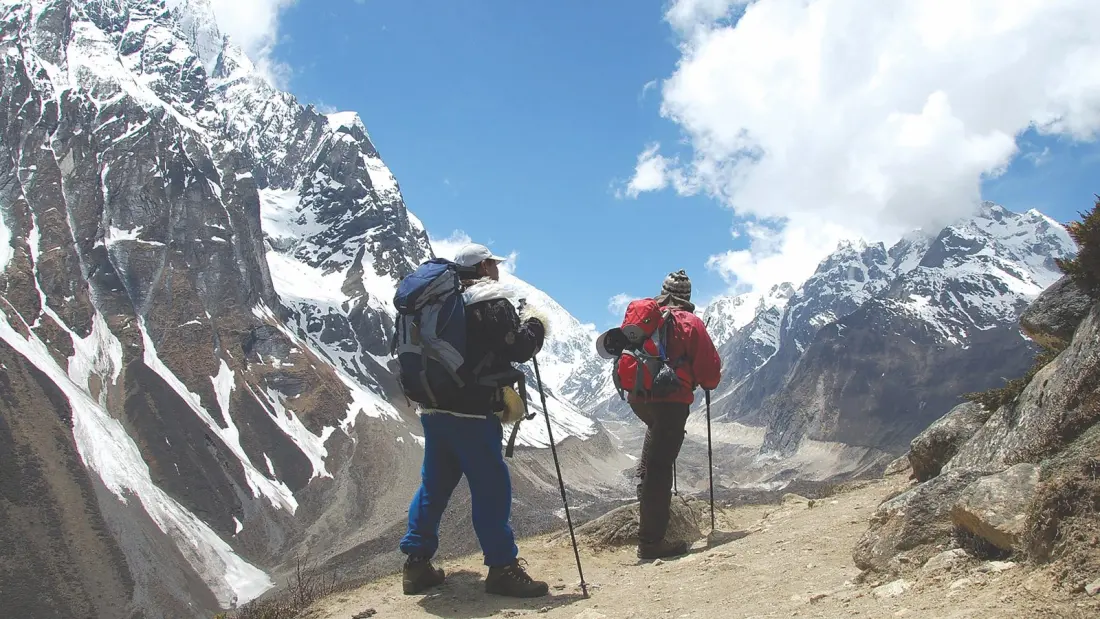
Where are all these trekkers going? Not everywhere. The Manaslu circuit remains closed, which has pushed crowds onto the two classic routes — the Annapurna region and the Everest trails — and both are showing signs of congestion in peak season. If you were counting on quiet tea-house trails in October, the calculus has changed: expect fuller lodges and busier trailheads on those marquee routes, and consider booking accommodation ahead or looking at alternative treks while Manaslu is off the menu.
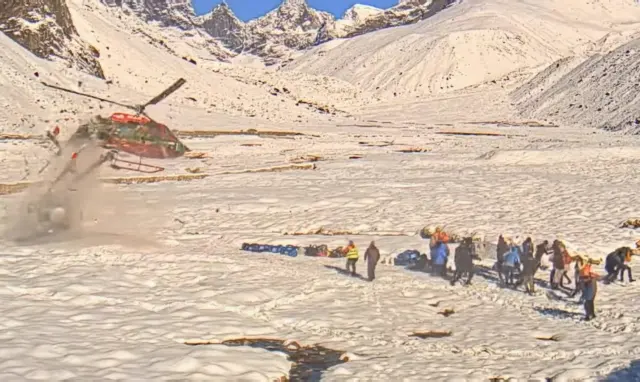
The month wasn't without incident. Six Indian trekkers got caught out by blizzards in the remote Dolpo region and had to be rescued — and it turned out none of them held trekking permits. It's a useful reminder that Nepal's restricted-area treks require permits and registered guides for good reason: Dolpo and similar regions are genuinely remote, weather can turn fast, and rescue operations are complicated and costly.
For travellers, the takeaway is twofold. North America's growing love affair with Nepal means flights, guides and lodges will be in higher demand each autumn — book early for October–November. And with the popular routes absorbing displaced Manaslu trekkers, a little route flexibility goes a long way: regions like Mustang, Dolpo (permit and guide in hand), Langtang or the Makalu Barun area offer world-class walking with a fraction of the foot traffic.