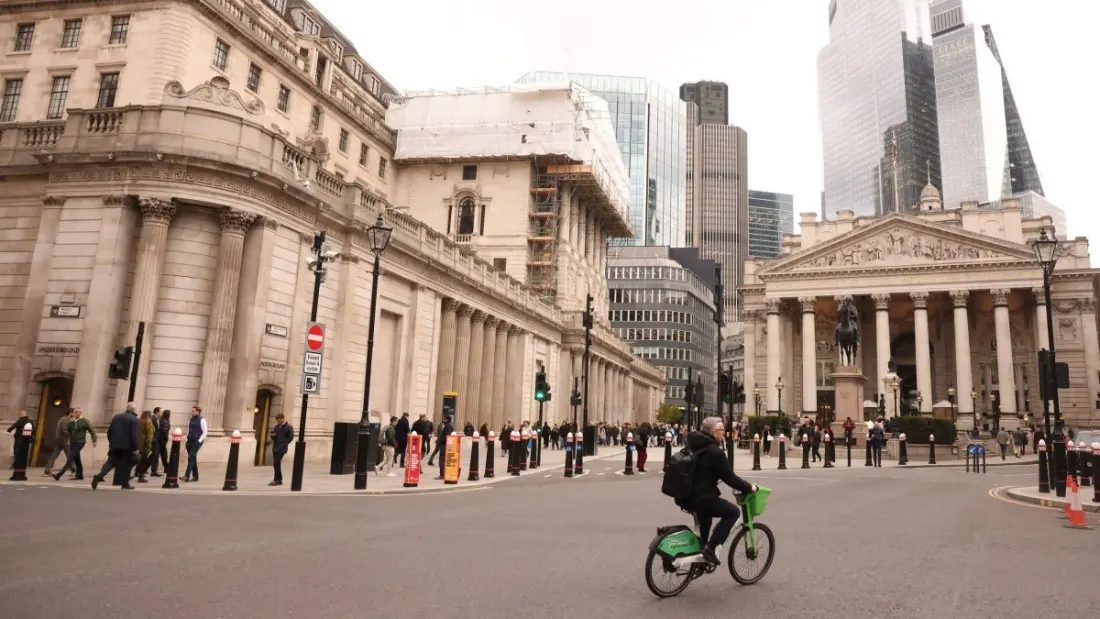
The Bank of England has lifted its base rate to 4%, the first increase since August 2023, in an 8-1 vote by its Monetary Policy Committee. One member, Catherine Mann, wanted an even bigger half-point jump. The trigger: inflation being pushed up by the war involving the US, Israel and Iran, which has been driving global energy and fuel prices higher for around nine months.
Governor Andrew Bailey was blunt about the outlook. He said there is now enough inflationary pressure in the pipeline from rising energy costs to justify the move, but cautioned that unless the Middle East conflict is resolved, this probably won't be the last increase. In other words, borrowers should brace for a longer squeeze — and that has knock-on effects for anyone planning to travel.
The mechanics matter for holidaymakers. The committee noted that many businesses have so far been absorbing higher energy costs into their margins or hedging against price spikes since the war began. But it warned those buffers are temporary, and the costs will eventually feed through into higher consumer prices if the energy shock persists. For travellers, that means air fares, hotel rates and package prices could climb as airlines and operators pass on pricier fuel.
There is a flip side. A rate hike generally supports the pound, and a firmer sterling makes overseas spending — restaurant bills, excursions, shopping abroad — cheaper for UK travellers compared with a weak-pound scenario. The bank also upgraded its UK growth forecasts, expecting GDP of 1.6% in 2026 and 1.3% in 2027, suggesting the economy is holding up despite inflation. That combination — stronger currency, resilient economy, but rising prices — is a mixed bag for holiday planning.
So who should care? Anyone booking flights or long-haul trips in the next few months. Fuel-linked surcharges tend to show up quickly on air fares, and operators with exposure to energy costs may reprice packages. If you have a holiday in mind, locking in prices early — especially fixed-price packages or fares with fuel hedging built in — is a sensible hedge of your own. Watch the pound's direction too: if further rate rises materialise as Bailey hints, sterling could strengthen further, making trips to the US, Turkey and other destinations relatively better value later in the year.
The bottom line: the cost of getting away is under pressure from an energy shock nobody can fully control, but early booking and a keen eye on exchange rates can soften the blow. This story was first reported by Daily Sabah Travel.