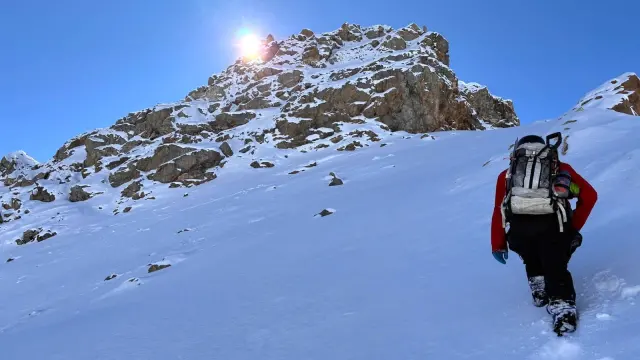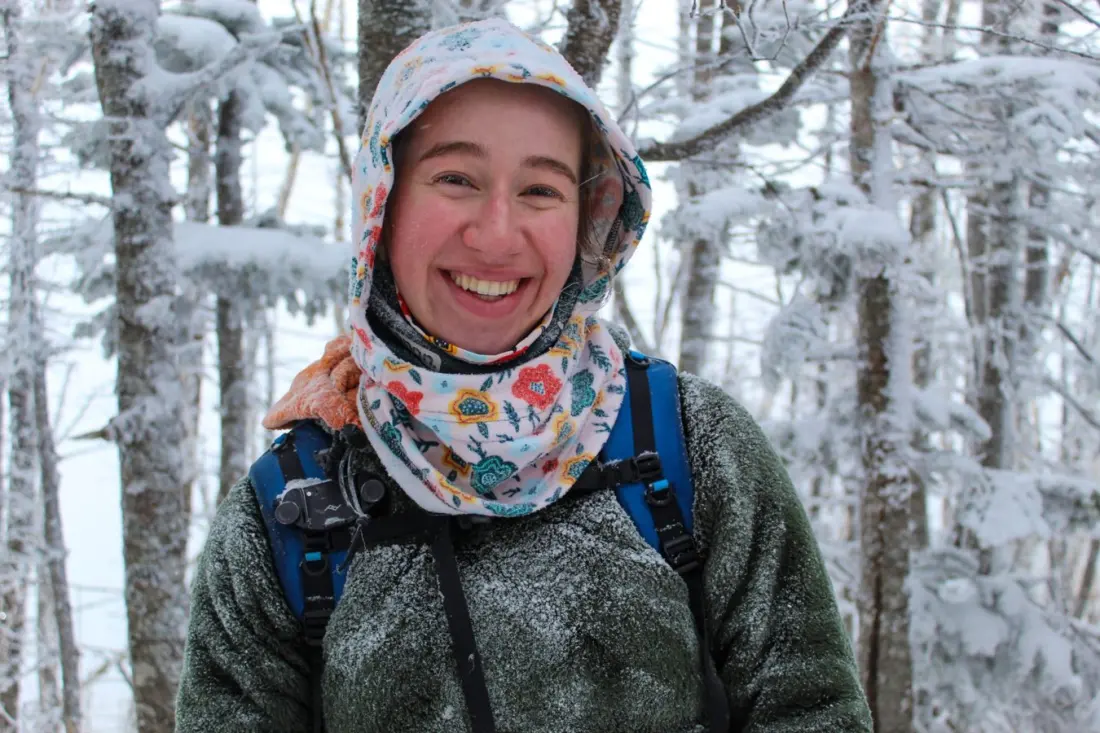
That sweet spot between summer crowds and winter snow — the shoulder season — is arguably the best time to hike. It's also the hardest to dress for. Mornings can dip below freezing, a sunny ridgeline can have you stripping down by lunch, and a sudden wind or storm can drop the feels-like temperature in minutes. The fix, according to backpacking site The Trek, isn't one thick jacket but a three-layer system you adjust all day.
The idea is simple. A base layer sits against your skin and wicks sweat away, so dampness doesn't chill you the moment you stop climbing. Merino wool is the classic choice — it insulates even when wet and resists odour — while polyester synthetics dry faster and cost less (budget options start around $25). The one firm rule: no cotton. It soaks up sweat, holds it against your skin, and pulls heat out of your body as it evaporates.
The midlayer is your insulation: a grid fleece, a light synthetic puffy, or breathable active insulation like Alpha Direct, ideally under a wind shirt. Its job is to trap the warm air your body produces while still letting excess heat escape. Pick the weight based on expected temperatures and how cold you personally run.
The outer shell blocks wind, rain and light snow, protecting the warm bubble the midlayer creates. Ultralight rain jackets, hardshells or windproof softshells all work — pit zips are worth having for dumping heat on climbs. Make sure the shell fits loosely over your midlayer rather than compressing it, and only gamble on a softshell alone if you're certain of a dry forecast.
The technique matters as much as the kit. The golden rule is "be bold, start cold": you should feel slightly chilly for the first 10–15 minutes of walking, because if you set off bundled up you'll sweat into your clothes and undermine your own warmth. Strip a layer before you start sweating, not after — and throw the puffy back on the second you stop for a snack, water filter break or photo, while your body still holds residual heat.
Round it out with small but high-impact extras: a beanie or fleece headband (your head is the easiest thermostat you have), light liner or fleece gloves for frosty mornings, and a merino or fleece buff to stop drafts sliding down your collar.
Why should a traveller care? Because shoulder season is when flights and accommodation are cheaper and trails are quieter — and packing smart is what makes those trips comfortable rather than miserable. The system works whether you're day-hiking in the Alps, trekking in Patagonia's off months, or walking an autumn stretch of a long-distance trail. A merino base, a packable midlayer and a decent rain shell weigh almost nothing and cover a huge range of conditions, in the mountains or just on a chilly city break.
Full gear picks, prices and product recommendations are in the original guide from The Trek.