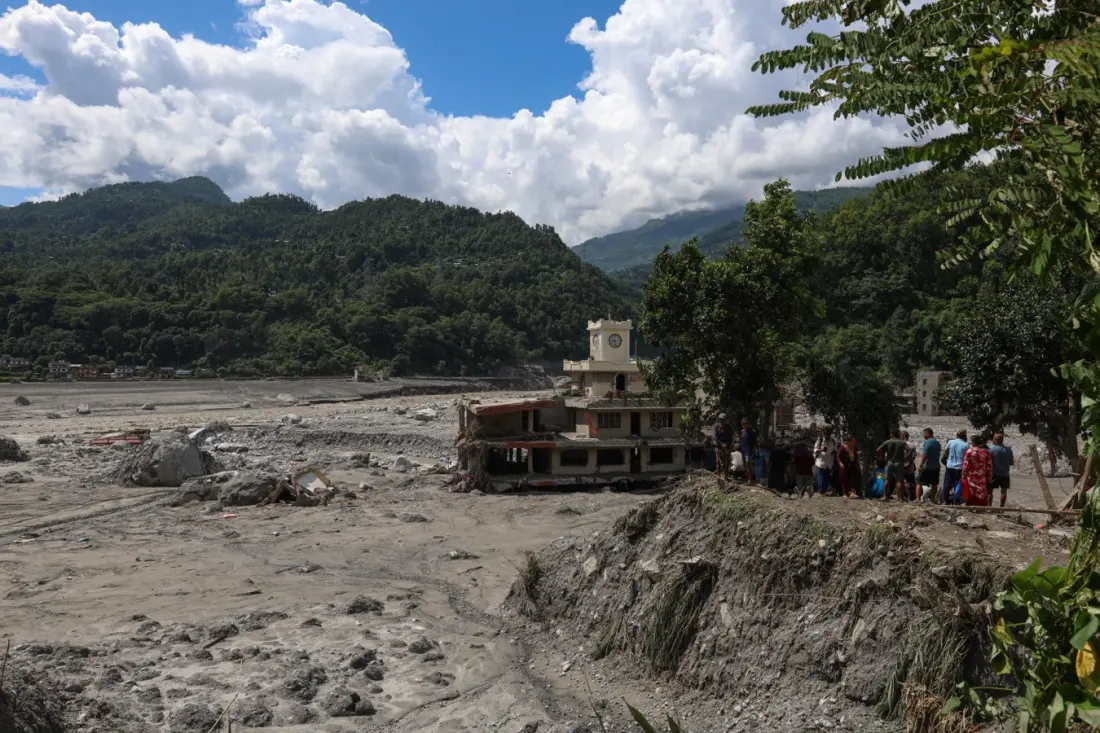
Forty-plus years after it was signed, a document about protecting the Himalayan environment is getting a fresh audit — and the timing could not be more pointed.
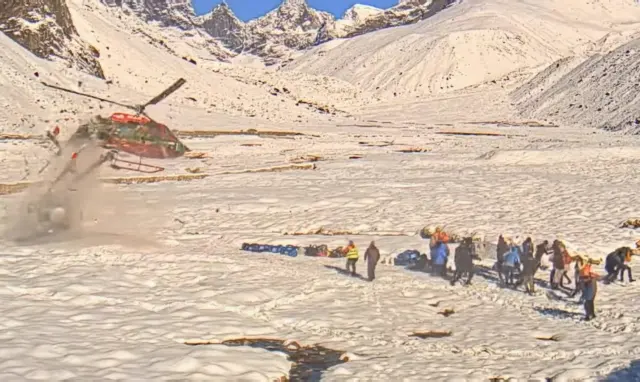
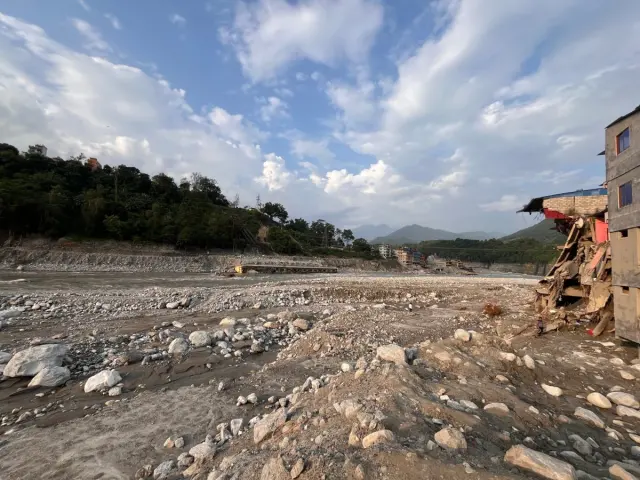
A research team from Switzerland's Université de Fribourg, led by Claude Hauser, has returned to Nepal to reassess the 1982 ten-point Kathmandu Declaration, a landmark agreement on safeguarding the Himalayan environment. The idea is to measure how much progress has actually been made in the decades since — against a backdrop of recent flood disasters that have underlined how fragile mountain ecosystems have become. The team was in Kathmandu for the General Assembly of the UIAA, the international mountaineering and climbing federation, and also travelled to Pokhara and the Khumbu region to interview Nepalis whose lives sit at the sharp end of environmental change.
There's a second development with bigger implications for the mountains themselves: Nepal's government has submitted a list of six additional 8,000-metre peaks for UIAA recognition, which would bring the country's total of officially acknowledged 8,000ers to 14. For a country whose economy leans heavily on trekking and expedition tourism, formal recognition matters — it shapes which mountains attract permits, expeditions, and the revenue and foot traffic that come with them.
For travellers, the story is a useful reset on what's happening in the regions many of us visit. The flood disasters referenced by the researchers are a reminder that climate pressures in the Himalayas aren't abstract: shifting weather patterns affect trail conditions, river crossings, and the safety of trekking routes in places like Khumbu, the gateway to Everest. The reassessment of the Kathmandu Declaration signals growing attention to whether the protections promised in 1982 — covering everything from deforestation to waste in the high mountains — have kept pace with both tourism growth and climate stress.
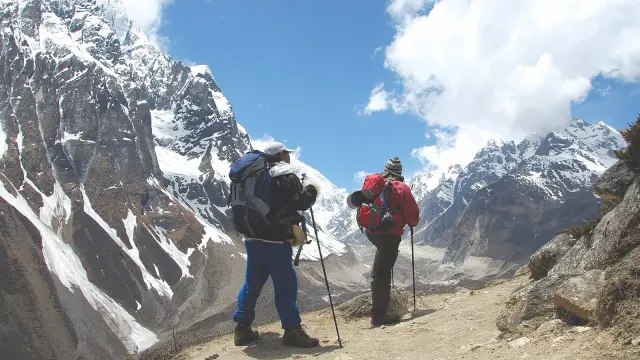
It also matters for anyone weighing up a first Himalayan trip. Kathmandu remains the hub for permits, gear, and planning; Pokhara anchors the Annapurna region's treks; and Khumbu draws trekkers to the Everest Base Camp route and beyond. If more 8,000m peaks gain formal recognition, expect gradual development around those areas over time — new permit categories, logistics operators, and possibly more trekking infrastructure in valleys that currently see few visitors.
The Swiss team's interviews with Nepalis in Pokhara and Khumbu are a reminder that the people living in these regions carry the consequences of both tourism and environmental change. Travelling there with that in mind — supporting local lodges and guides, respecting waste rules on trails, and checking route conditions before setting out — is a small but real way to contribute.
Who is this for? Trekkers and climbers planning a Nepal trip, anyone interested in how mountain tourism and conservation intersect, and repeat visitors curious about how the Himalayas are changing. If you've been putting off a Nepal trek, the message from Kathmandu is clear: the mountains are worth seeing now, and travelling thoughtfully matters more than ever.
Story reported by Nepali Times.